Foreshore lambs in the Bay of the Somme
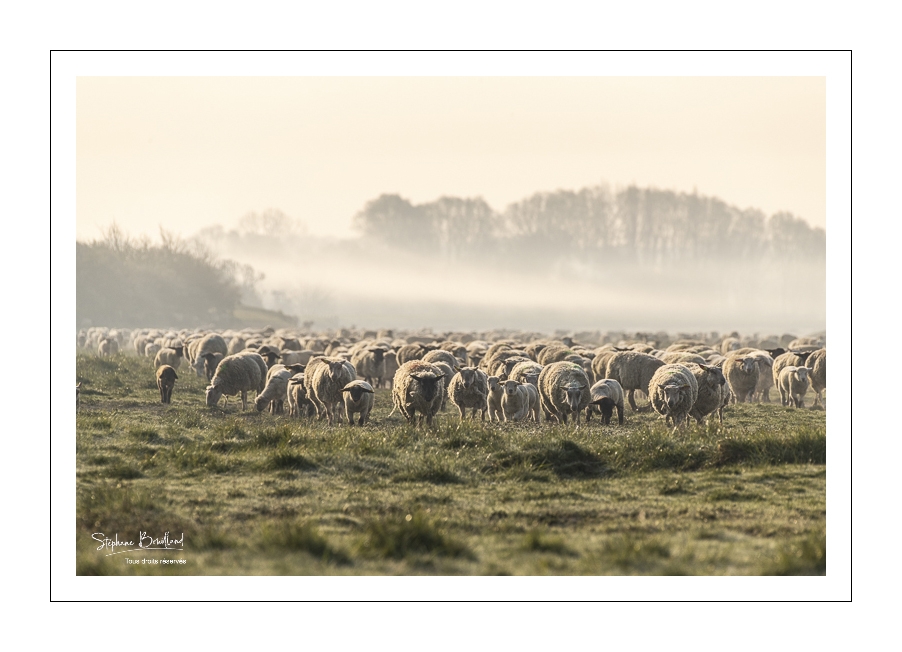
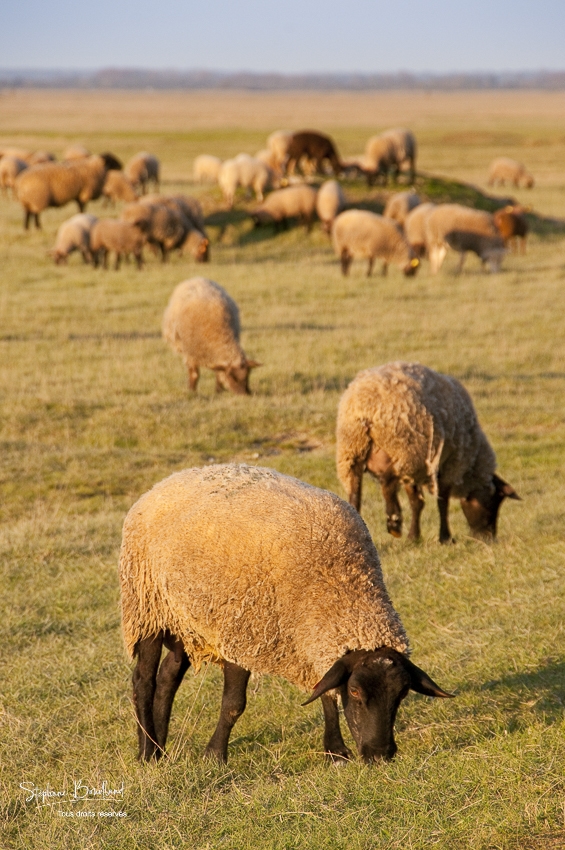
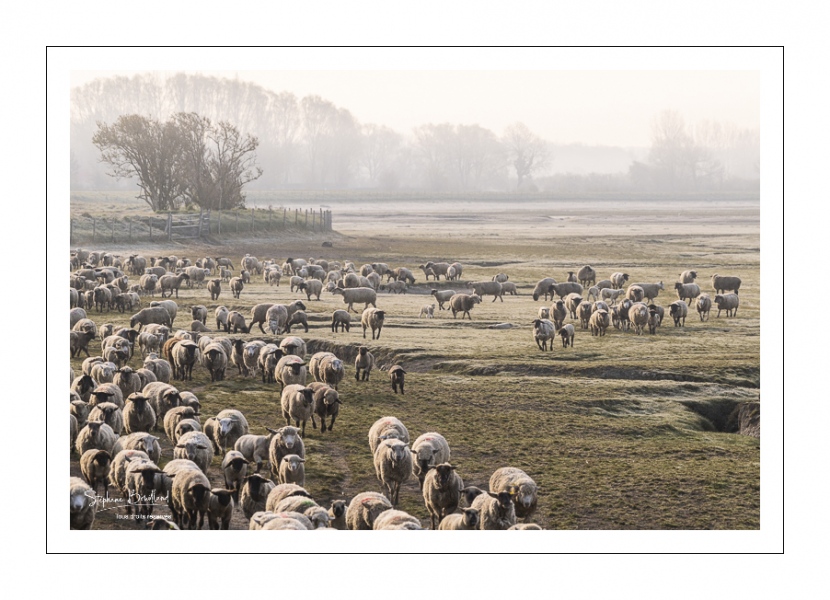
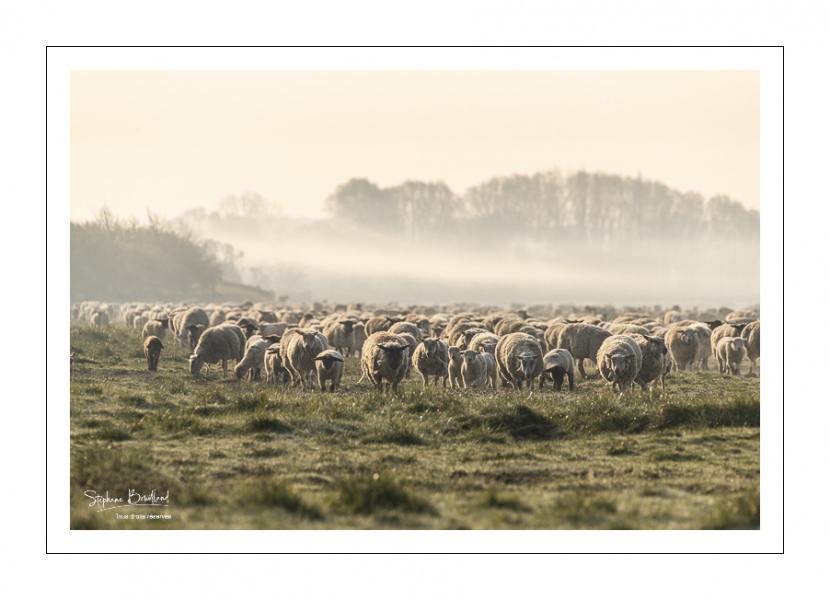
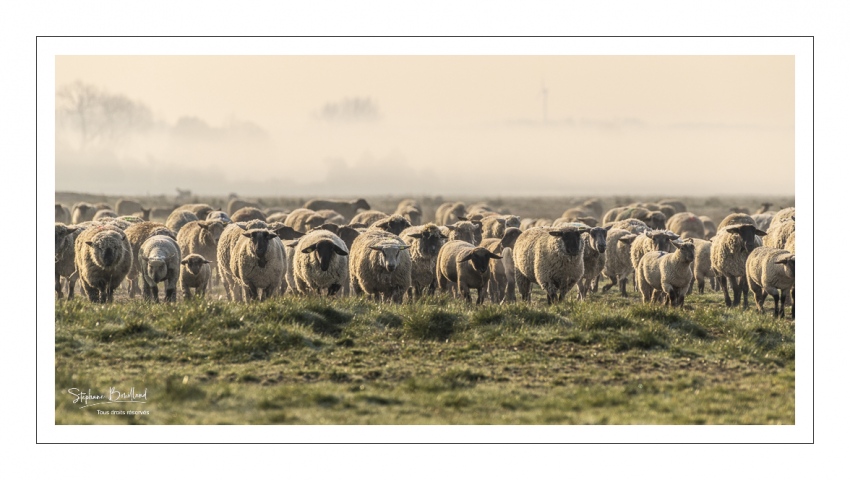
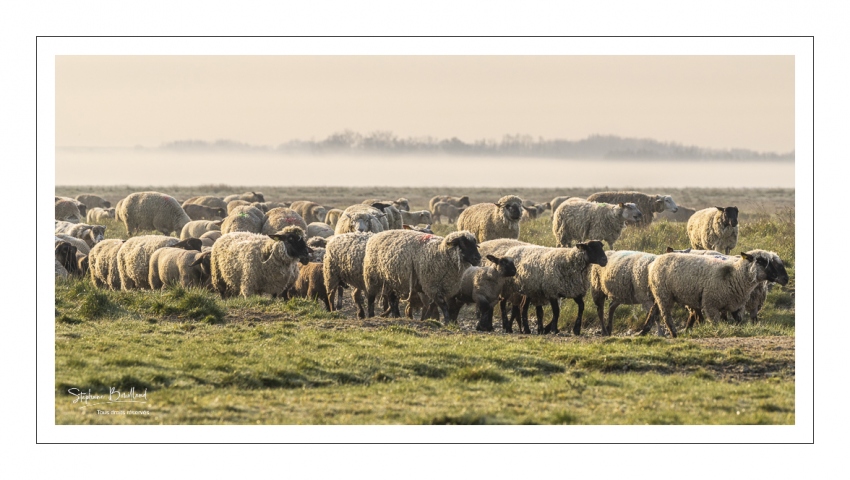
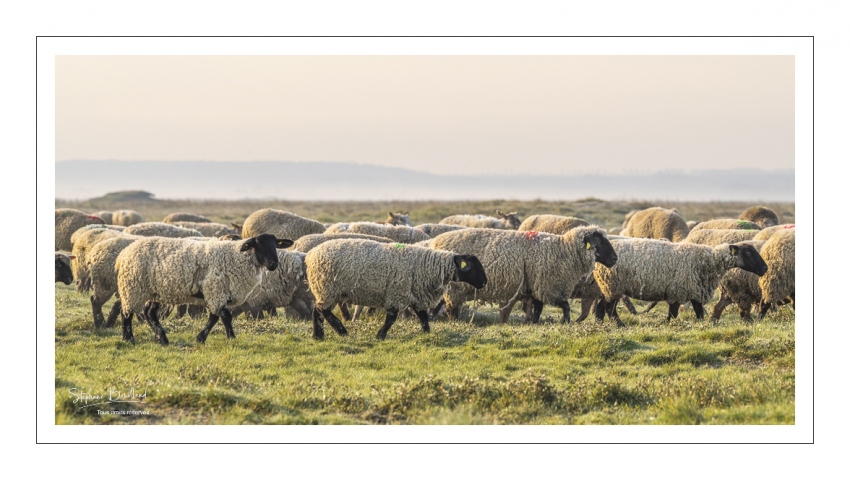
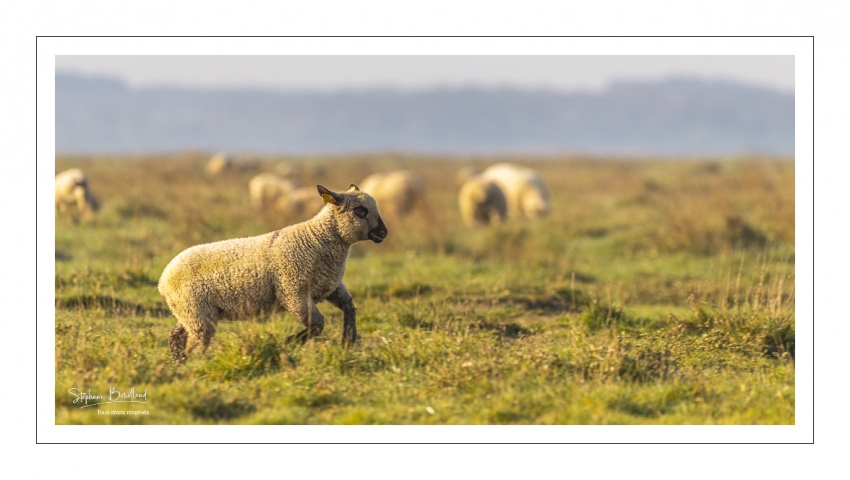
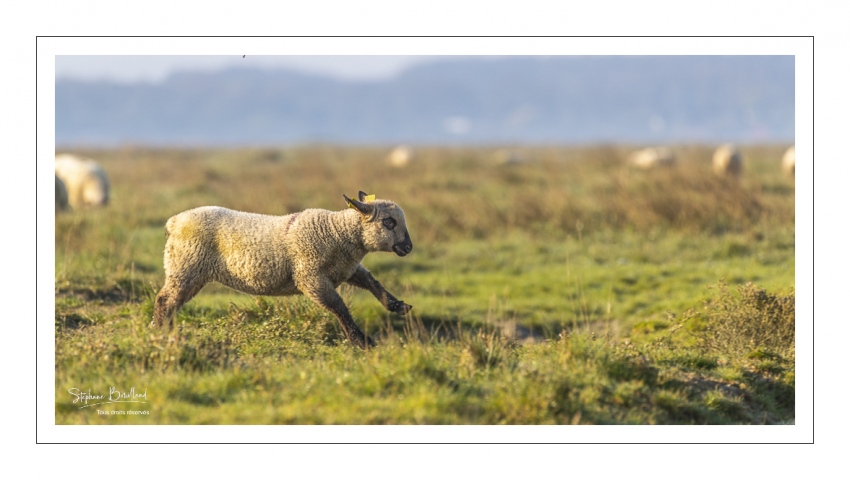
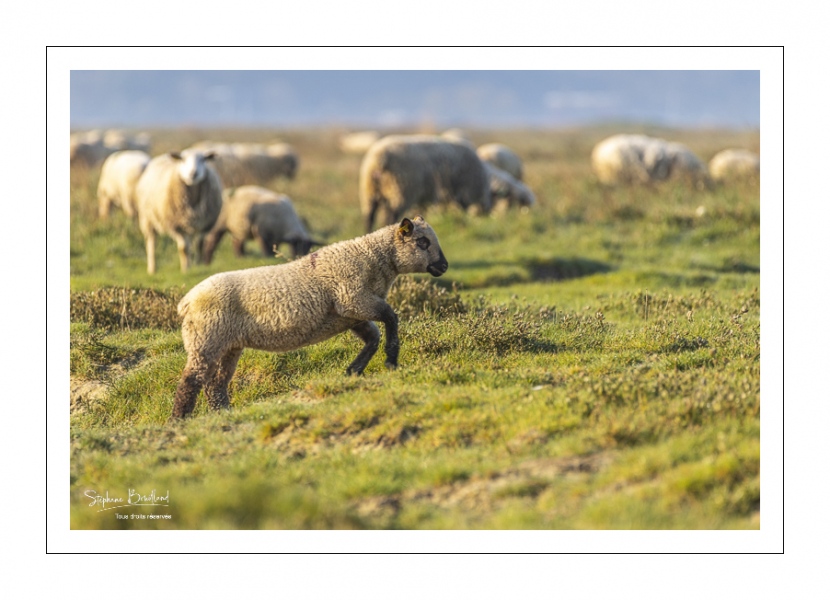
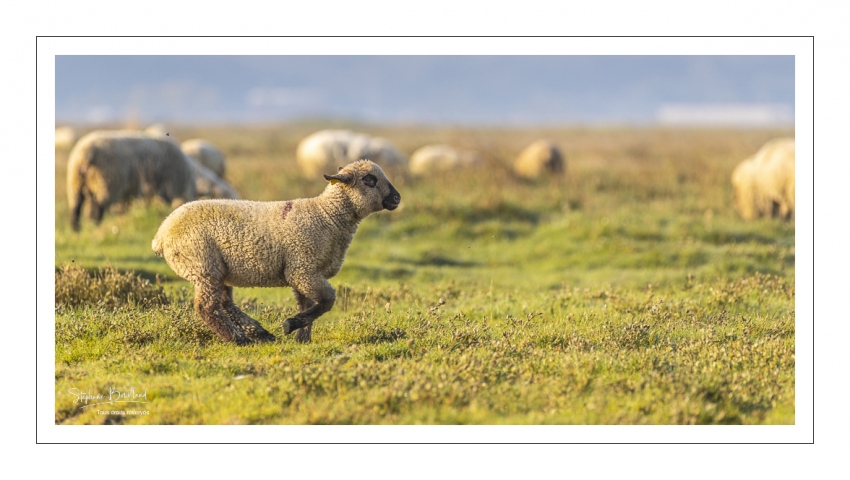
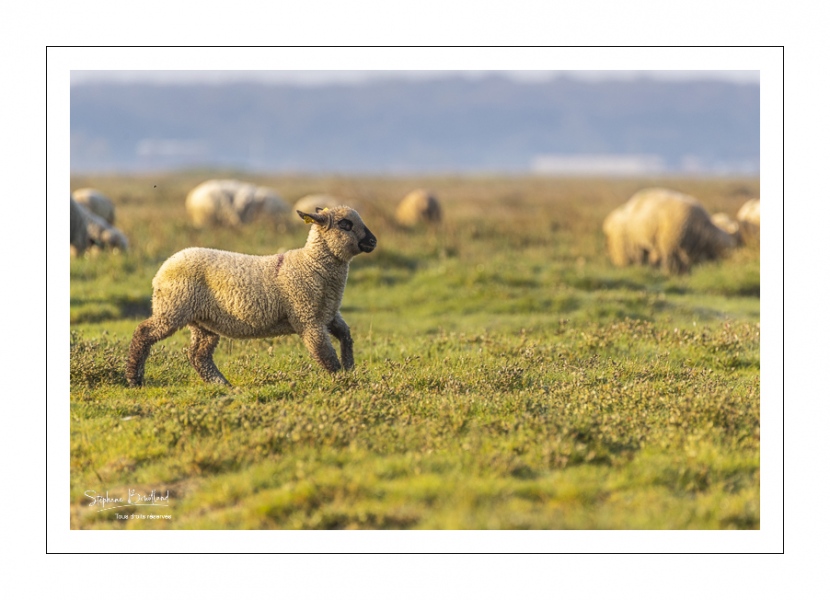
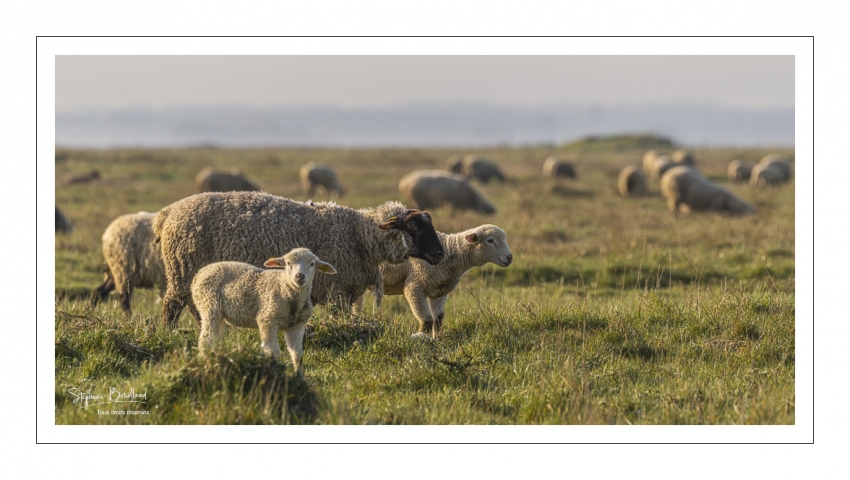
As soon as spring arrives, the sheep invade the foreshore to come and taste the halophilic plants. The sea flora charged with salt and iodine, combined with the long displacements, gives this so particular taste to the flesh of the lambs, very appreciated by the experts. This meat is marketed under the appellation of controlled origin (AOP) "Prés-salés de la baie de Somme". During the summer, the foreshore sheep feed mainly on puccinelle, samphire, maritime aster and sea lilac.
Taking the sheep to graze in the foreshore is a local tradition attested since at least the 15th century. Lambing takes place in the sheepfold during the winter, although some farmers schedule births in the spring to avoid supply shortages. For the first two or three months after birth, the lambs are fed mainly on their mother's milk. The animals are taken out in March after the high tides of the equinox and stay in the bay for a minimum of two and a half months, extending into the autumn.
Their meat is sold fresh in butcher shops from June to January. The PDO prohibits freezing but canneries offer it all year round in jars. The breeds authorized by the PDO are selected for their resistance to long walks and difficult environments. They are the Suffolk, Hampshire, Roussin, Ile-de-France, Rouge de l'Ouest, Boulonnais and Vendéen breeds. Today an association brings together a dozen breeders whose 3,600 ewes and 2,200 lambs at the height of the season make up the 4 large flocks of the bay.
In the past, each inhabitant of the surrounding communes had the right to graze a few sheep, and since then shepherds have been employed collectively to supervise and guide the flocks. There are no predators in the Bay of the Somme, but the risk of getting stuck in the muddiest streams is real and the arrival of the tide is then fatal. It is therefore necessary to constantly guide the animals towards the safest passes and the shepherd must regularly extract animals trapped in the mud. This know-how is honored every year during the lamb festival in September in Saint-Valery, with a small transhumance and demonstrations of shepherd dogs.
Some flocks also have a few goats. One explanation for their presence is that they are sure-footed, less hesitant than the sheep, and that they help guide the flock that follows them naturally. However, a shepherd also told me that it was just for the pleasure of seeing them and raising them that they accompanied his flock...
The herds can be seen between Le Crotoy and Noyelles-sur-mer, also in front of Saint-Valery where they regularly come to drink in the channel of the Somme, or at Cap Hornu. When the tidal coefficients are too high, the foreshore is invaded by water. All this little world returns then in the pastures behind the panoramic road which is used as dike around the bay.
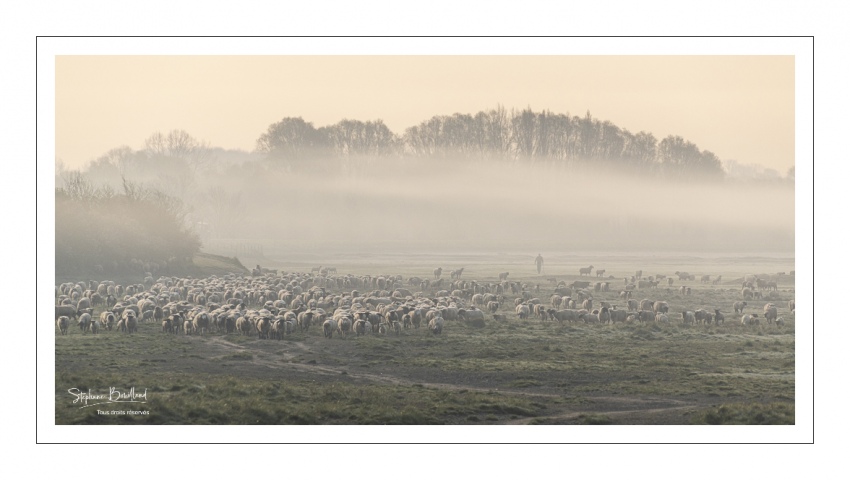
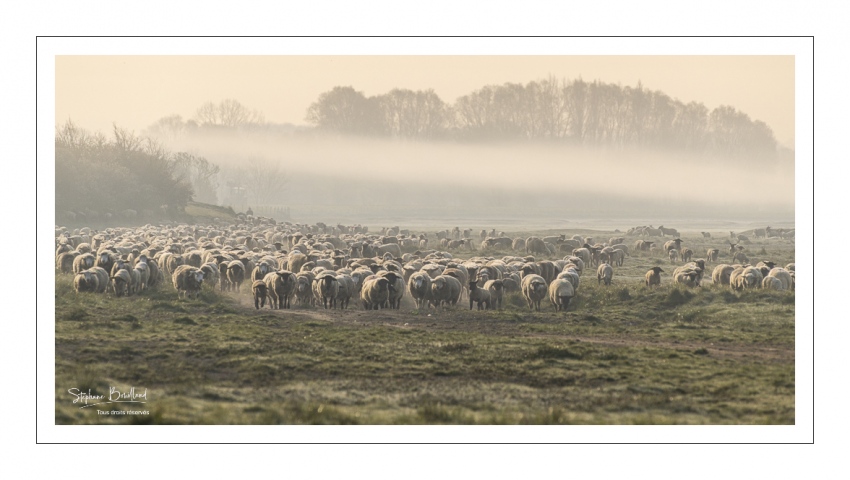
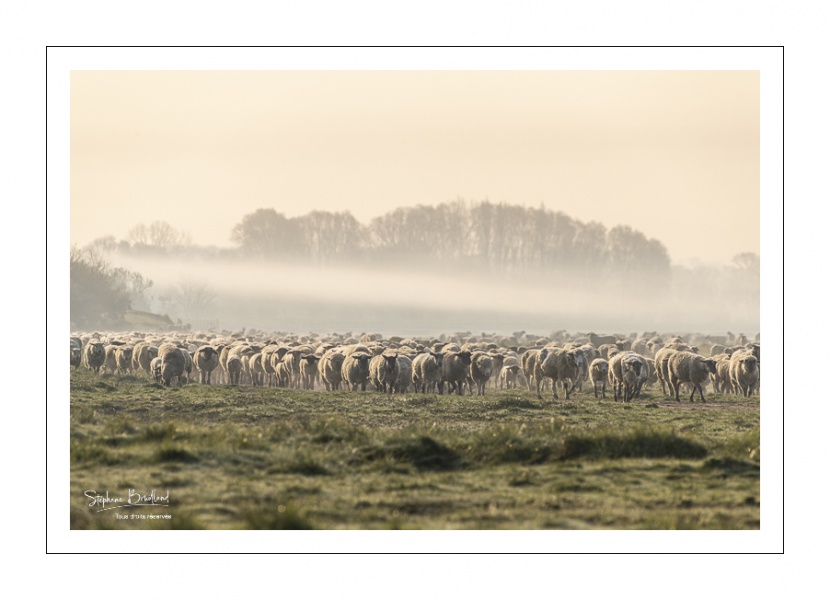
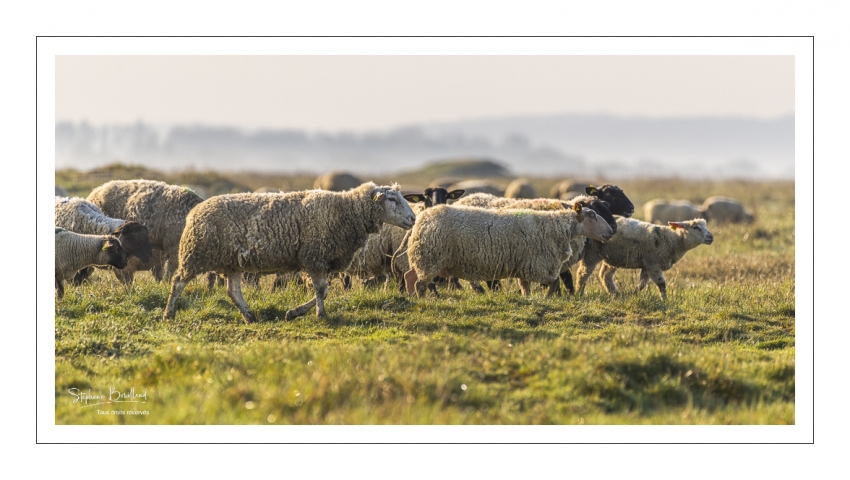
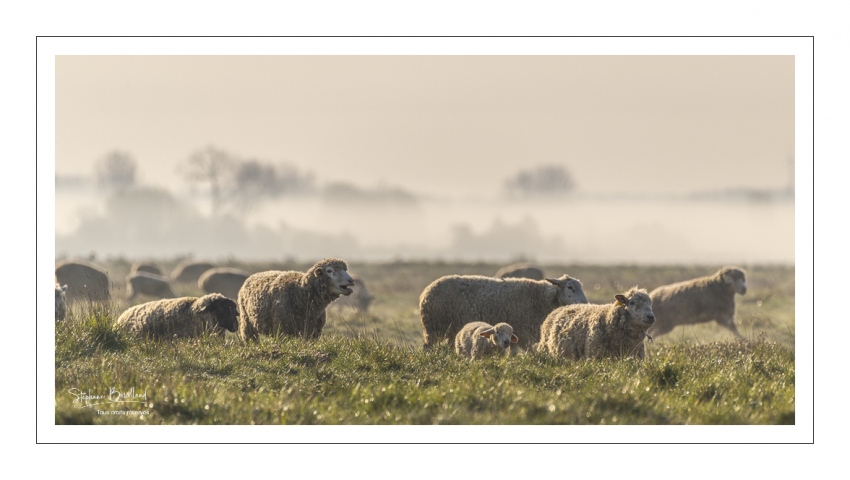
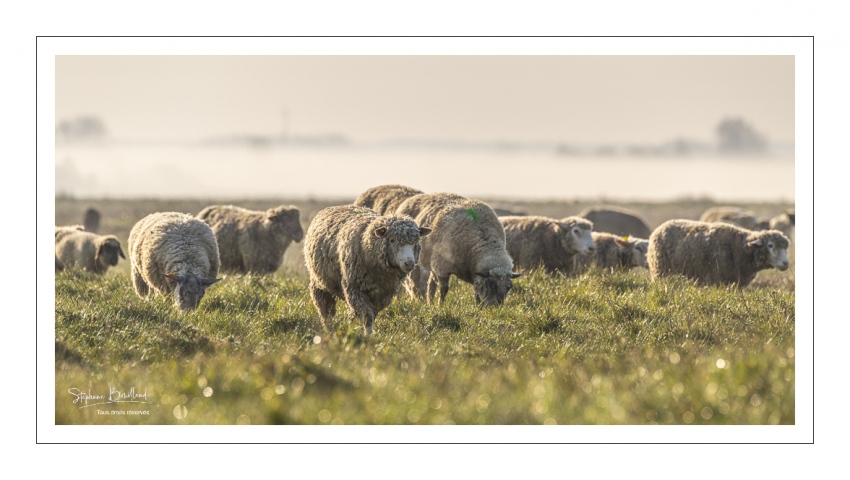
That morning, the fog that was struggling to lift and the presence of the young lambs decided to stop for a photo shoot. The flock had just been released from the overnight pen and the sheep were all still huddled together and heading for their favorite grazing areas. A ray of mist created a very special atmosphere in the background and it was really a pleasure to see the young lambs running around like goats. A nice atmosphere in the middle of the bleating of the animals...
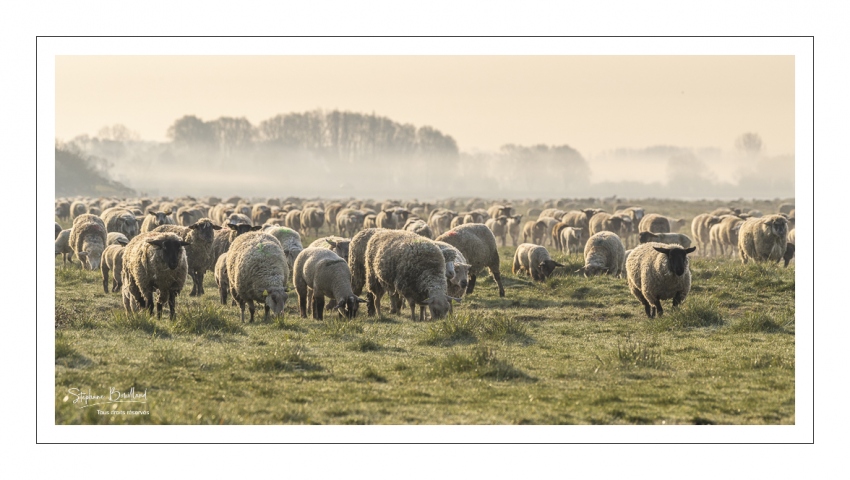
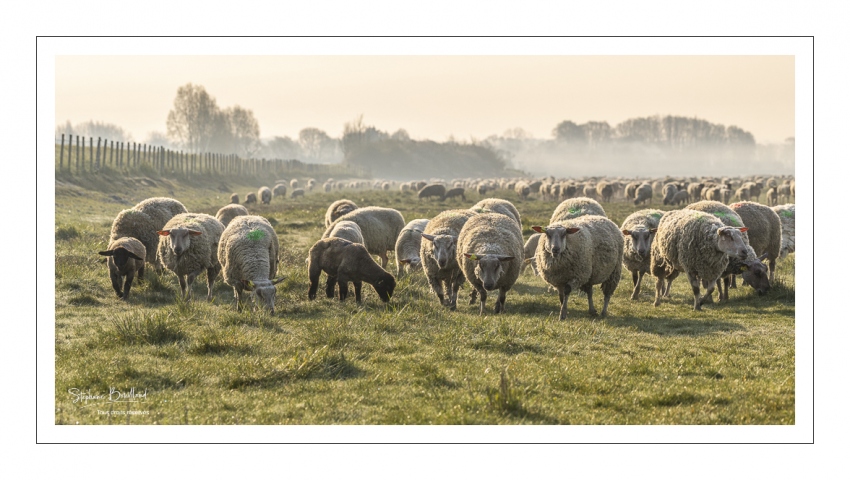
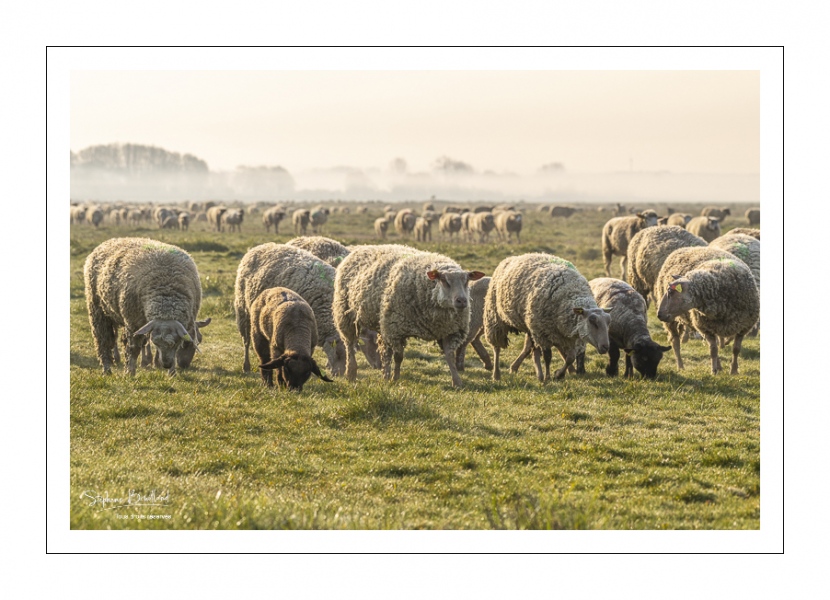
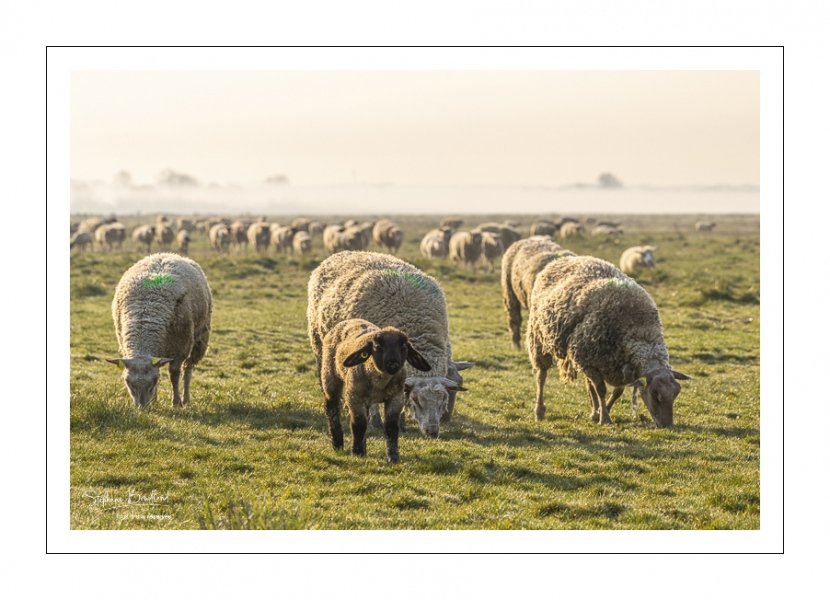
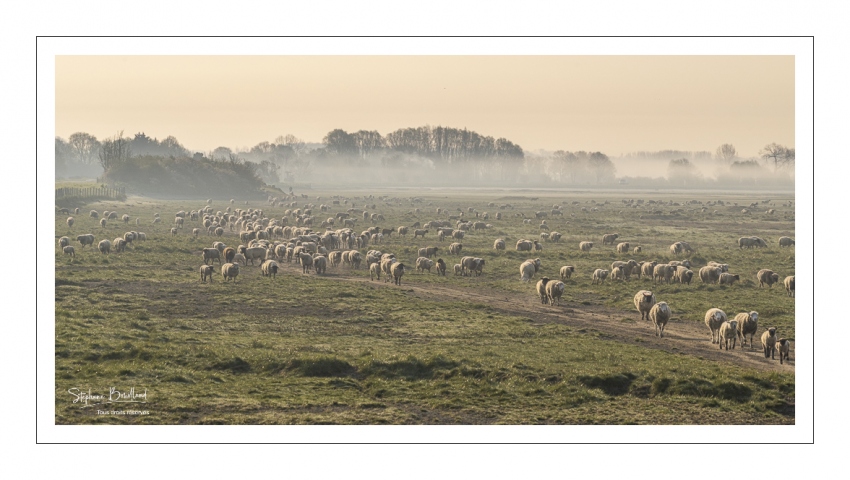
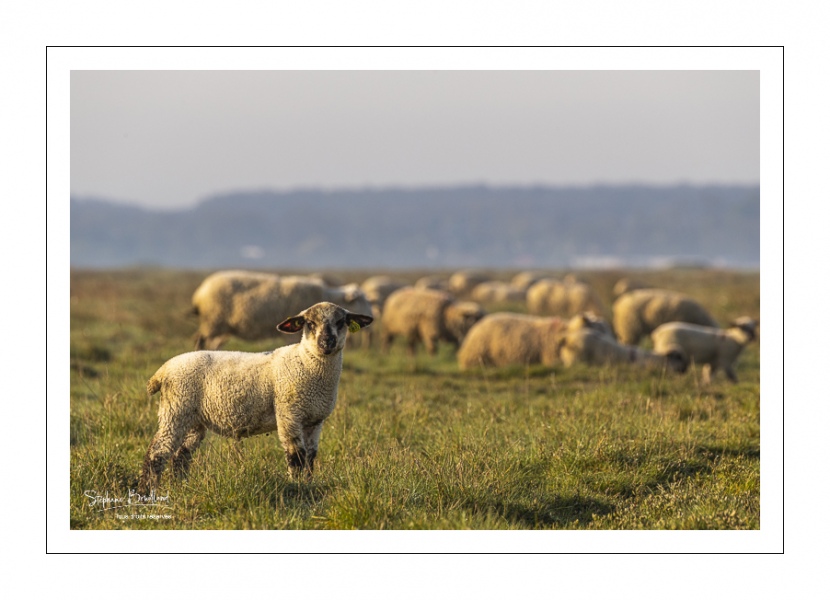
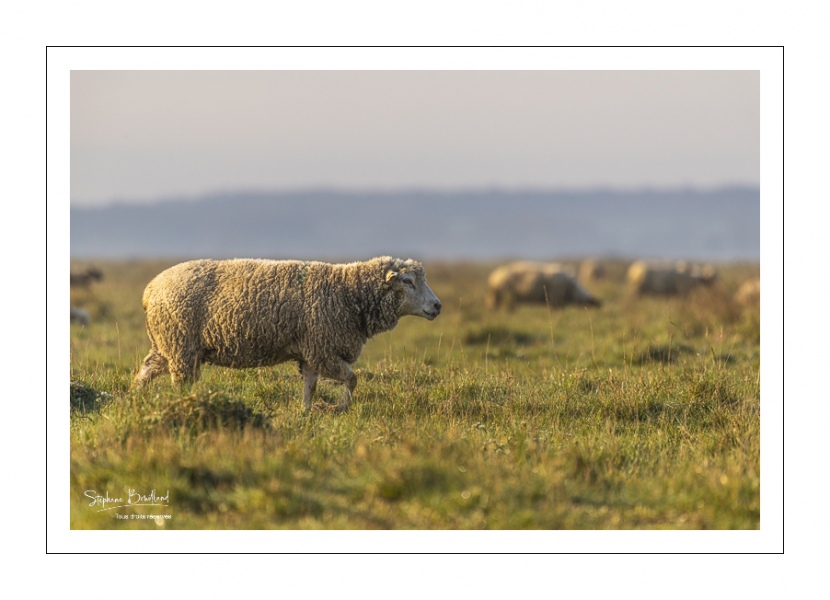
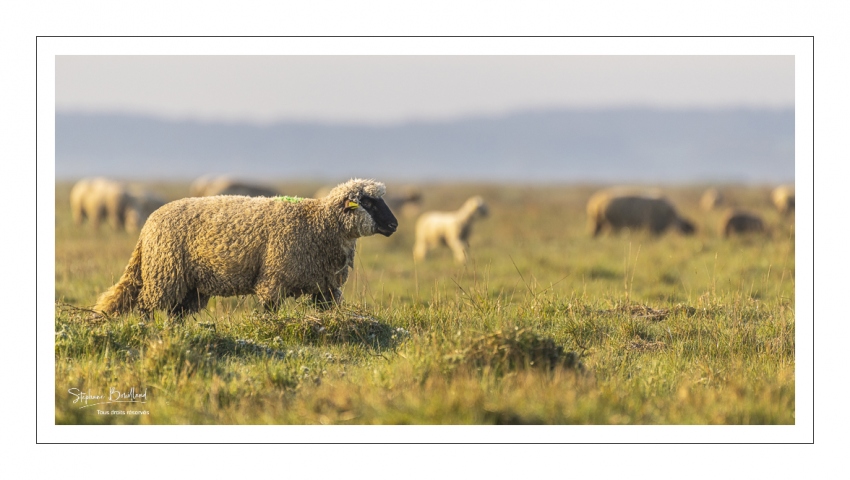
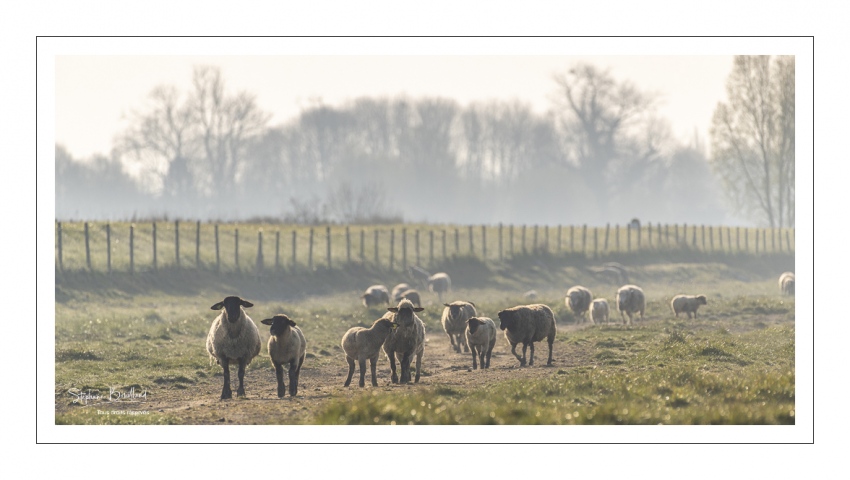
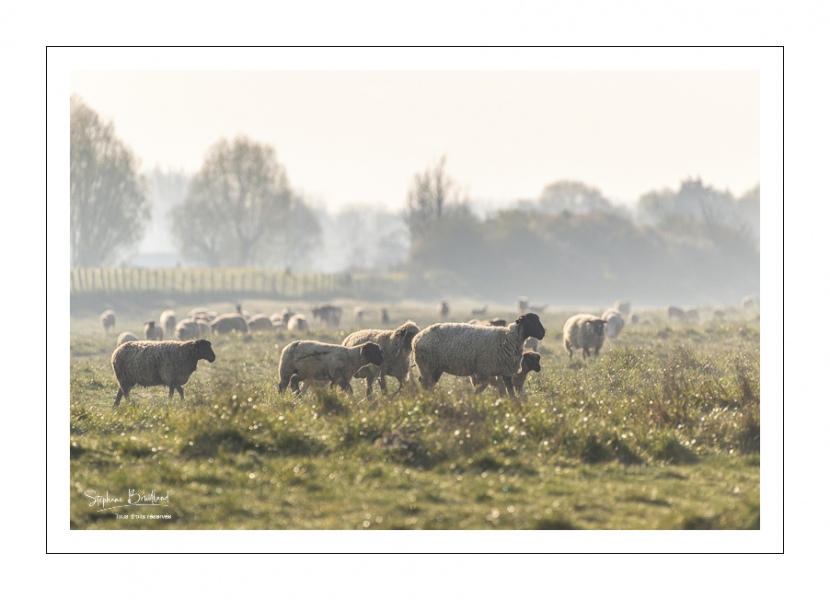
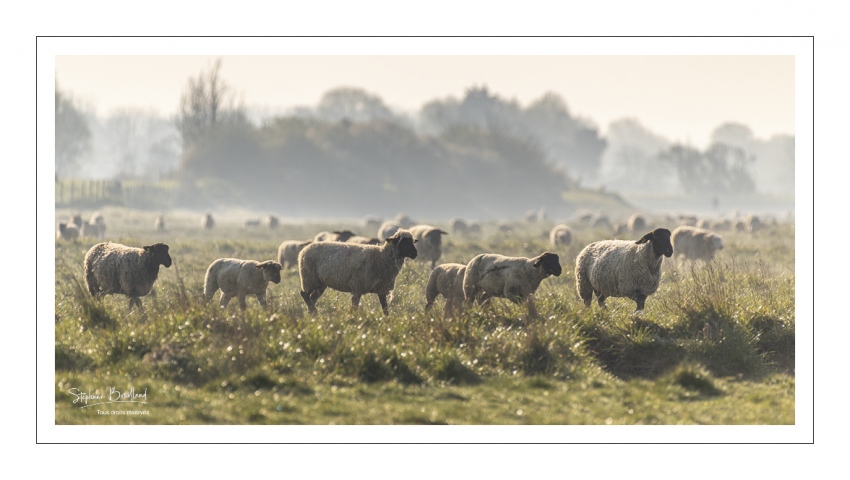
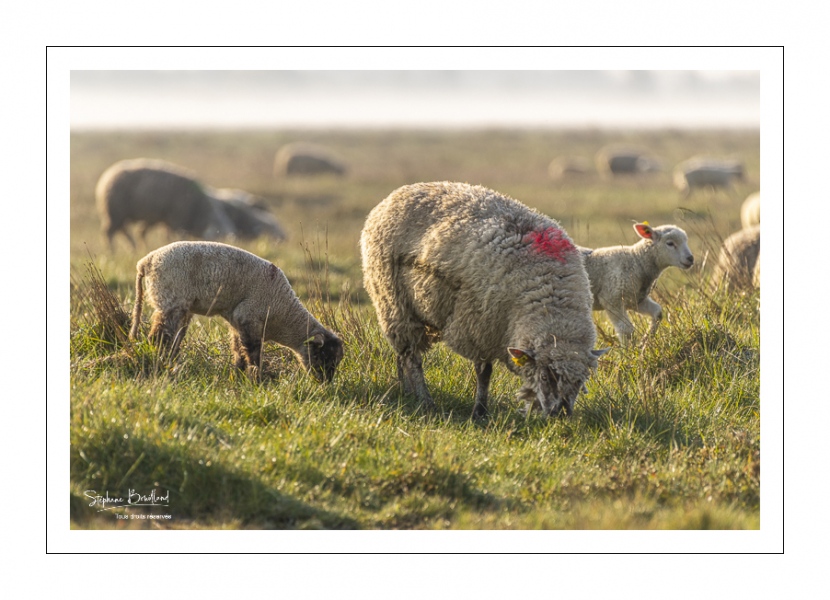
Misty mornings in the Baie de Somme
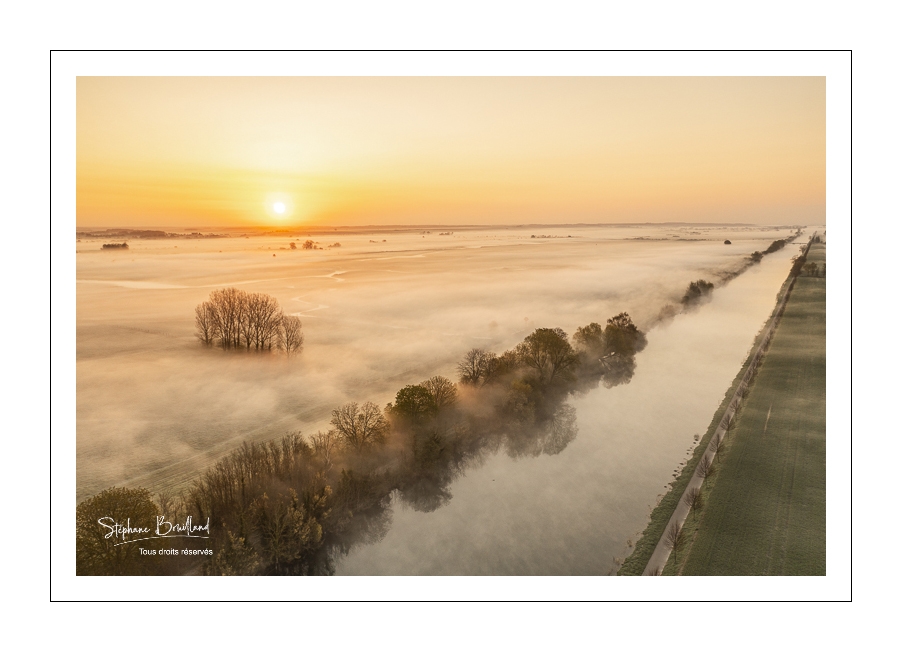
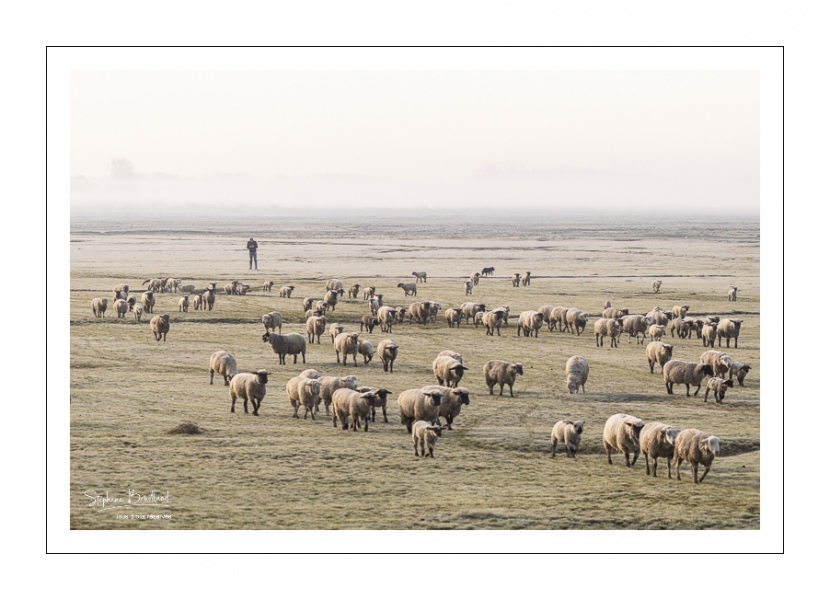
Here is a series of photographs taken on cold spring mornings in the Bay of the Somme. They are of the polders which extend on the other side of the dike of the panoramic road, between Pinchefalise and Noyelles-sur-mer. The aerial views are taken with a drone. Taking a little height allows to pass above the layer of mist and fog. We then discover the pastures covered with cotton, the mist undulating and thickening with the wind and the sun which gradually warms the ground and the atmosphere. These are dreamlike landscapes that are totally different from the usual perception of this environment.
Stork nesting in the Bay of the Somme
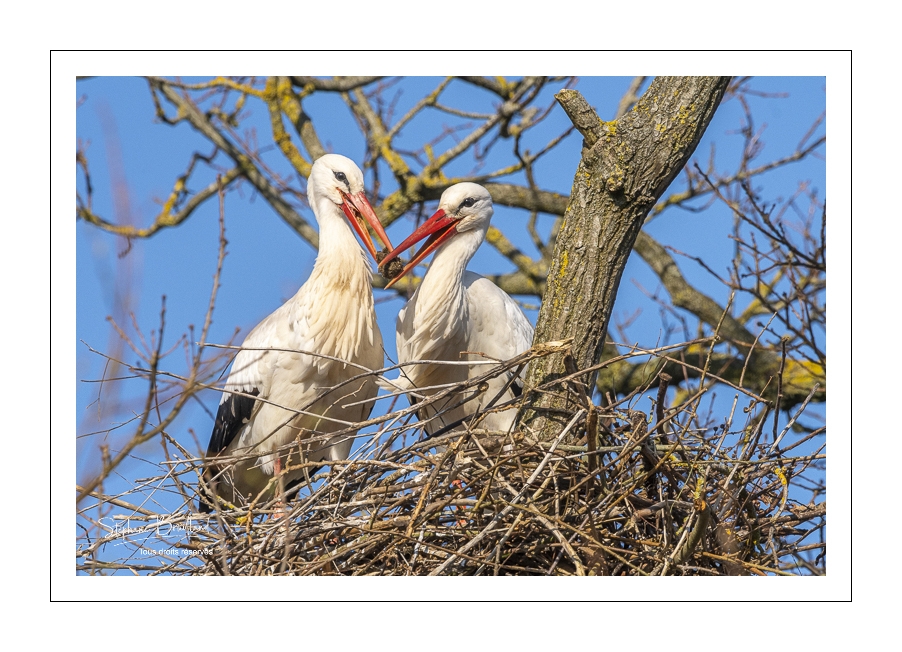
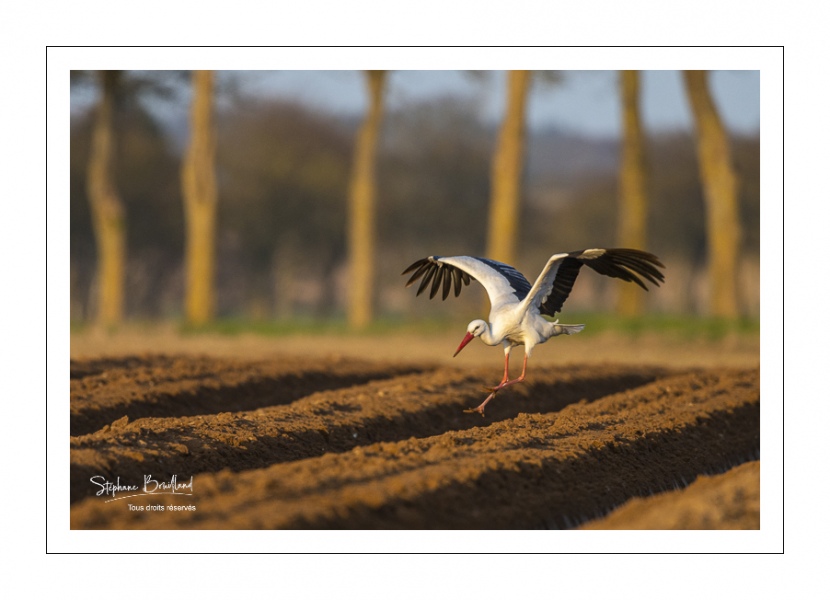
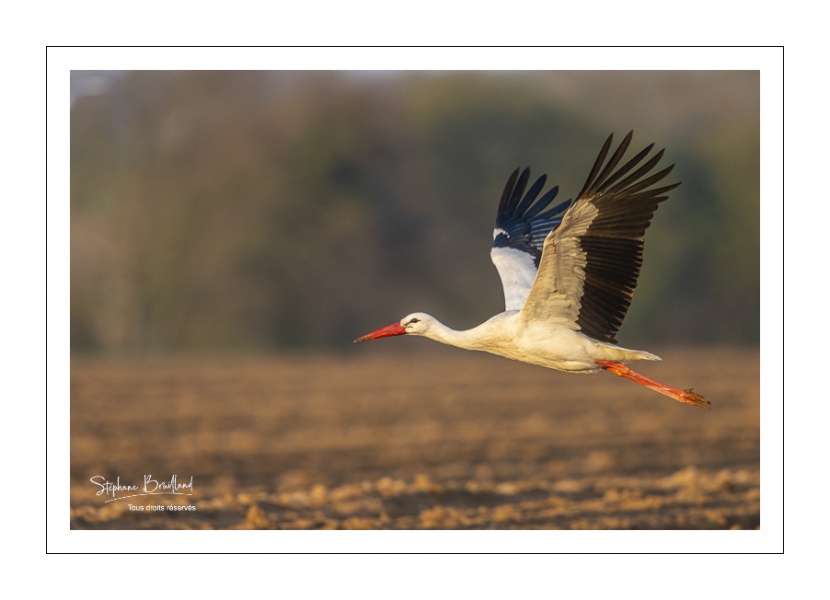
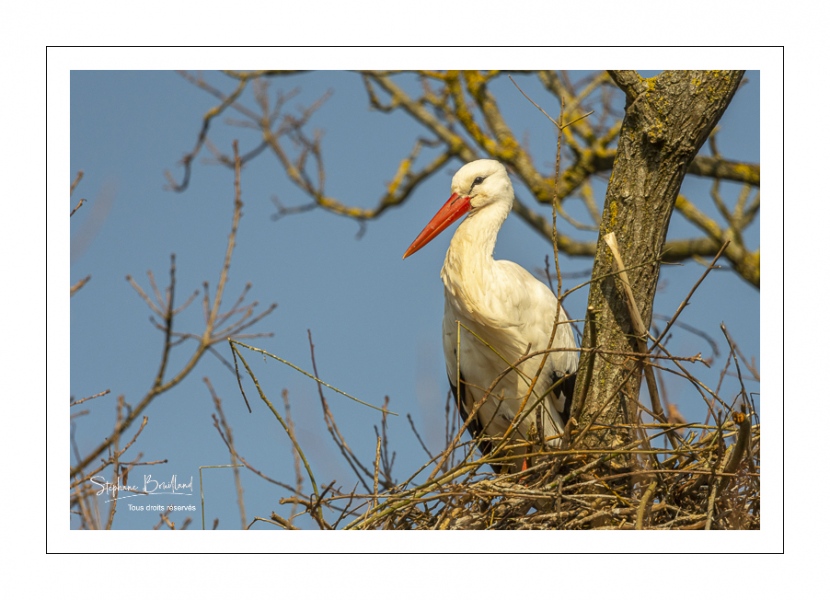
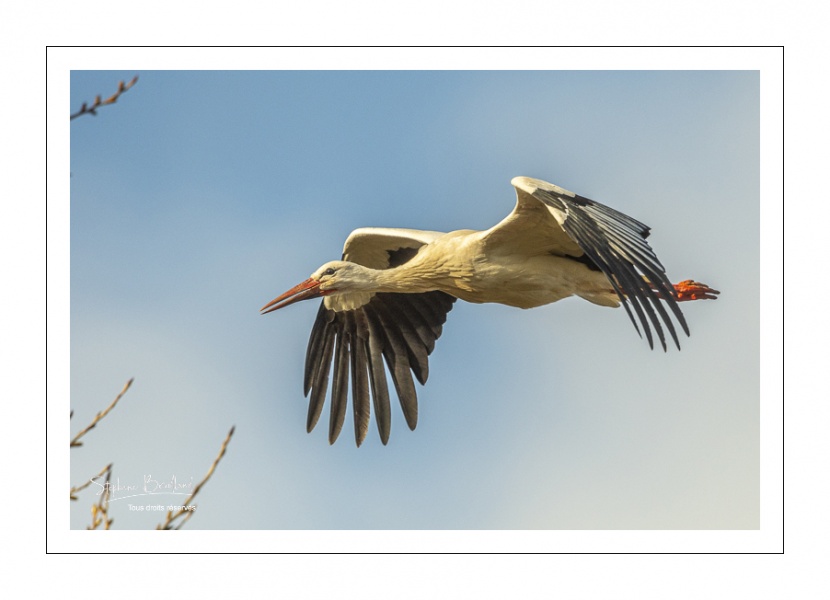
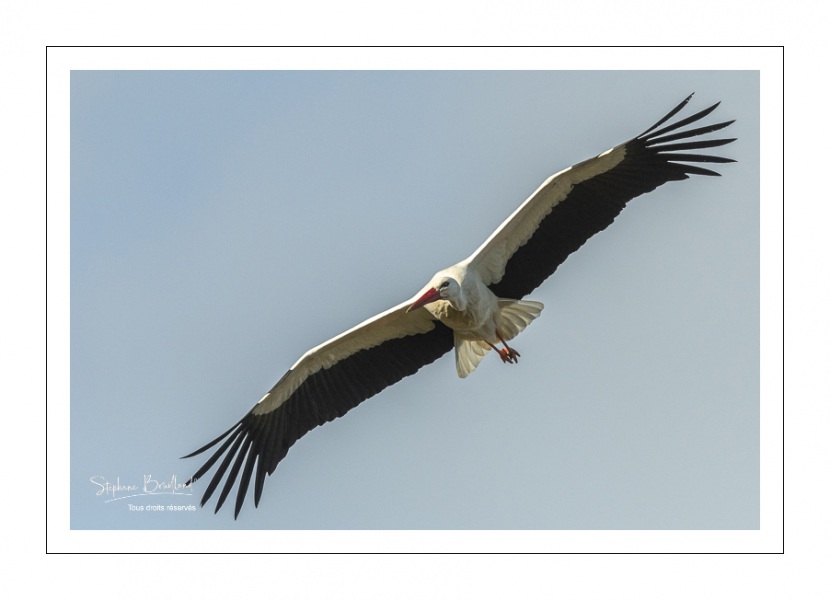
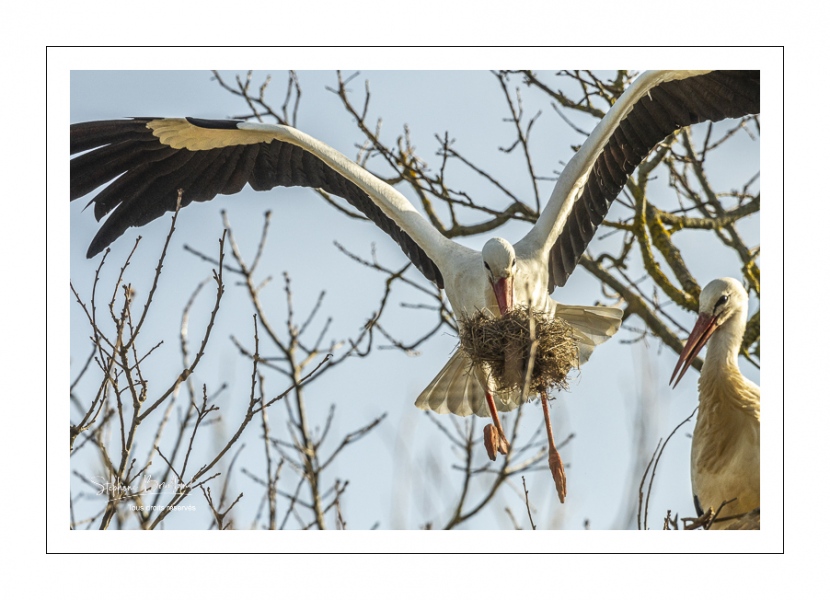
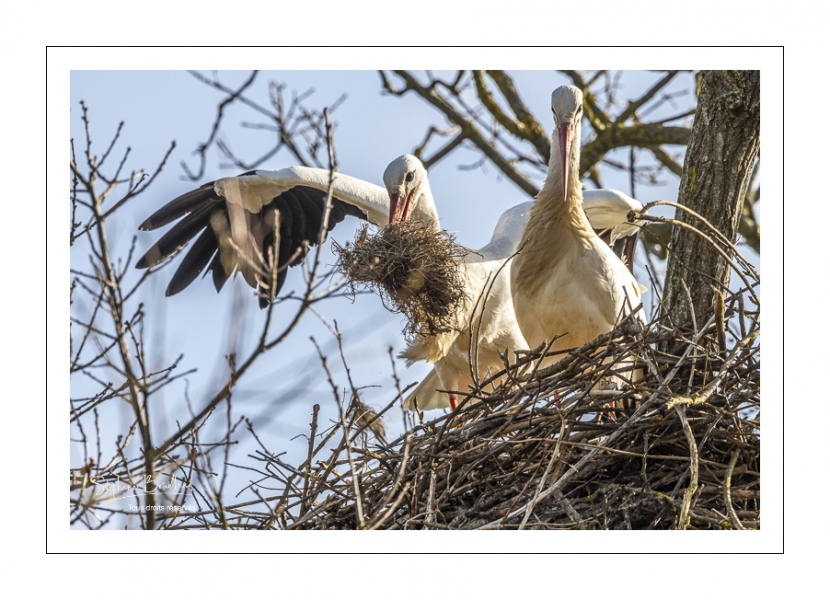
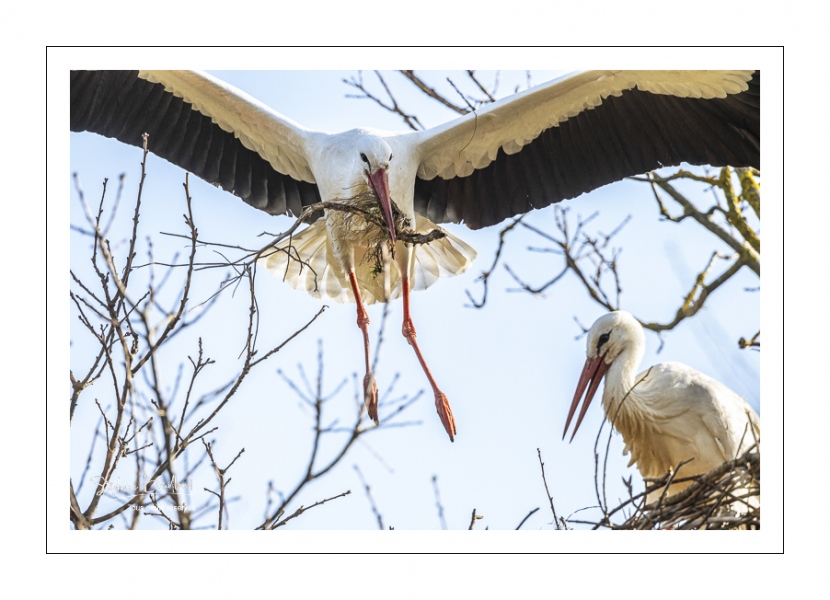
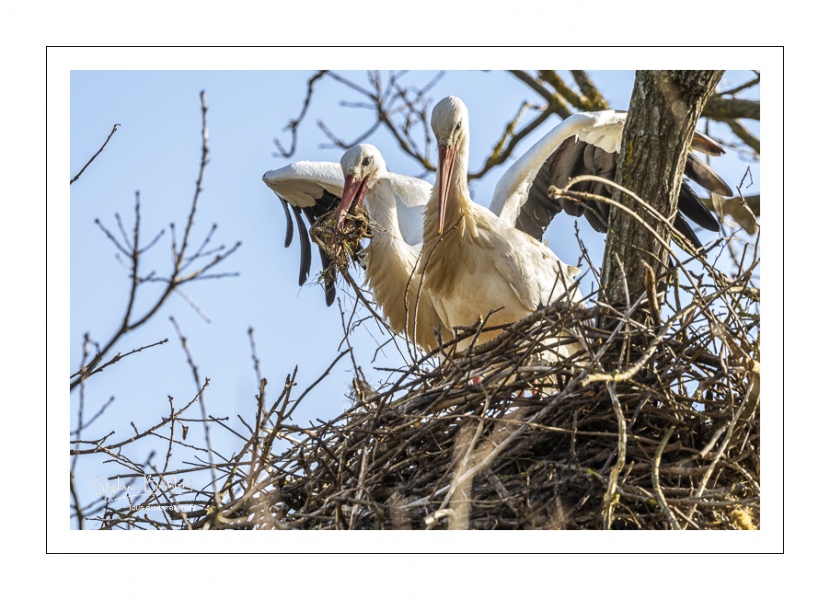
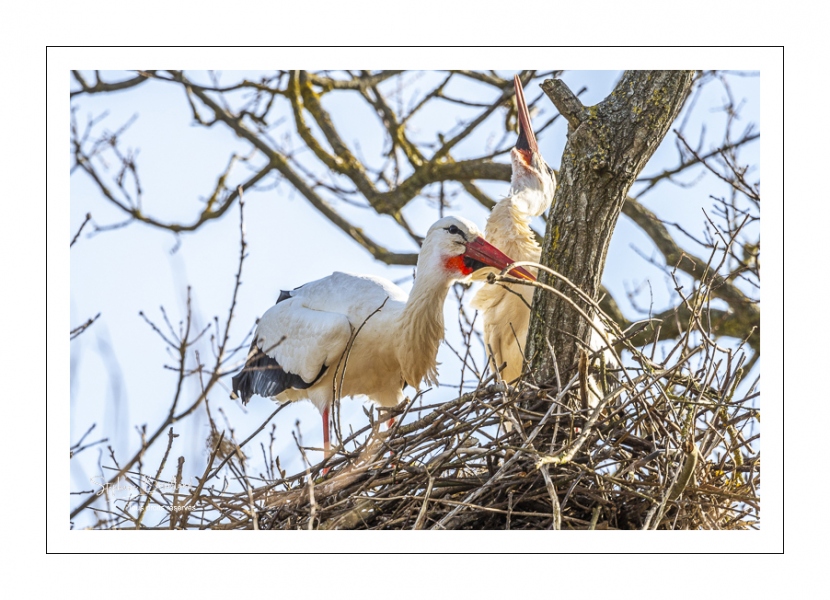
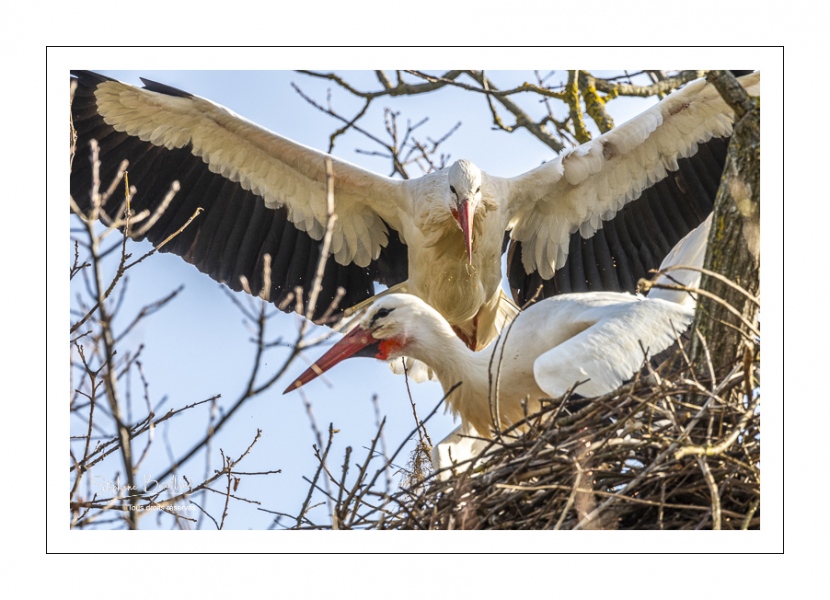
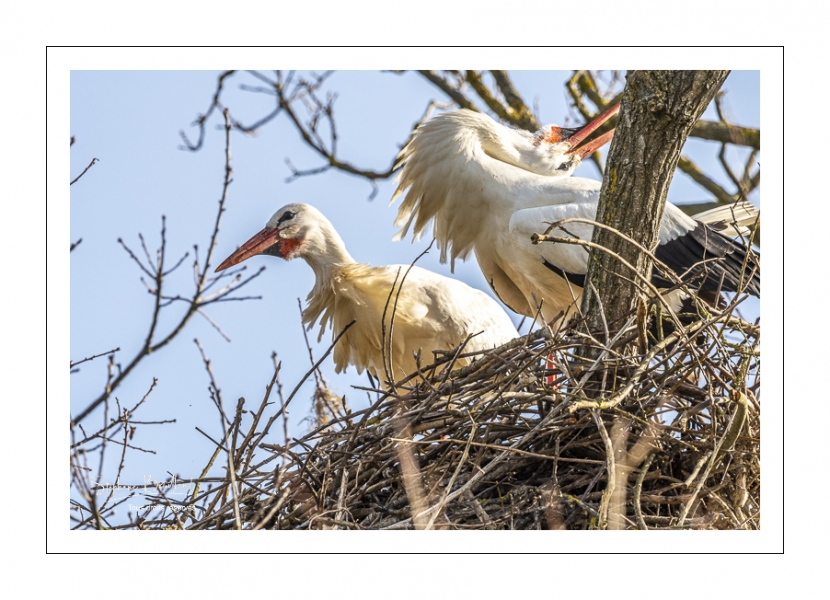
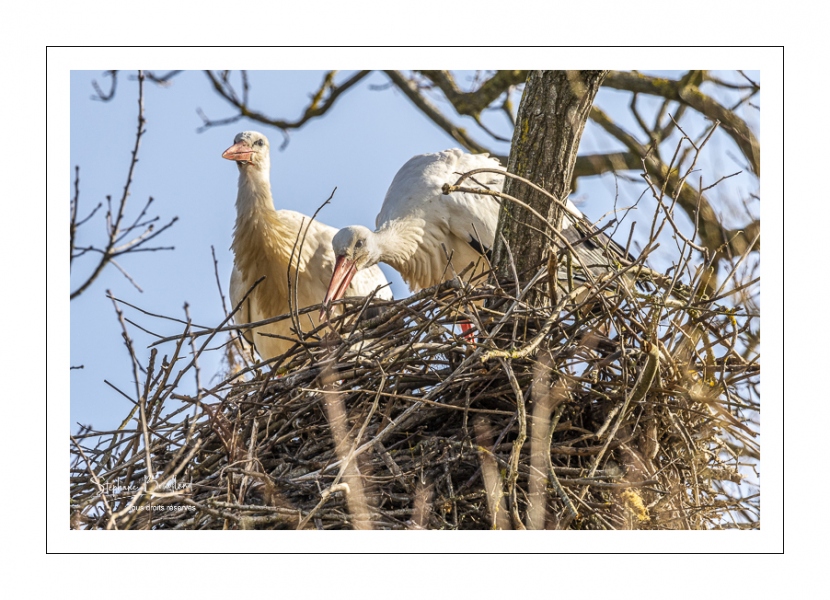
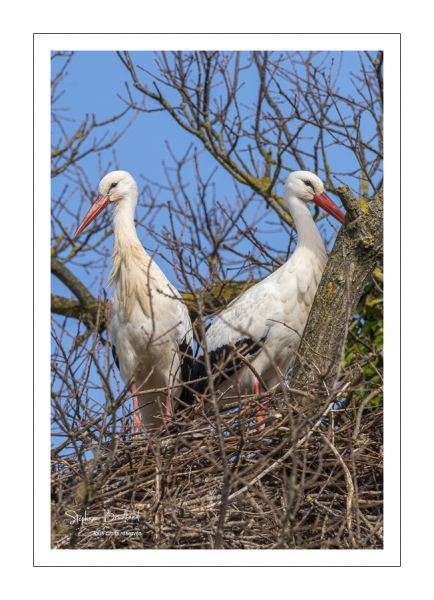
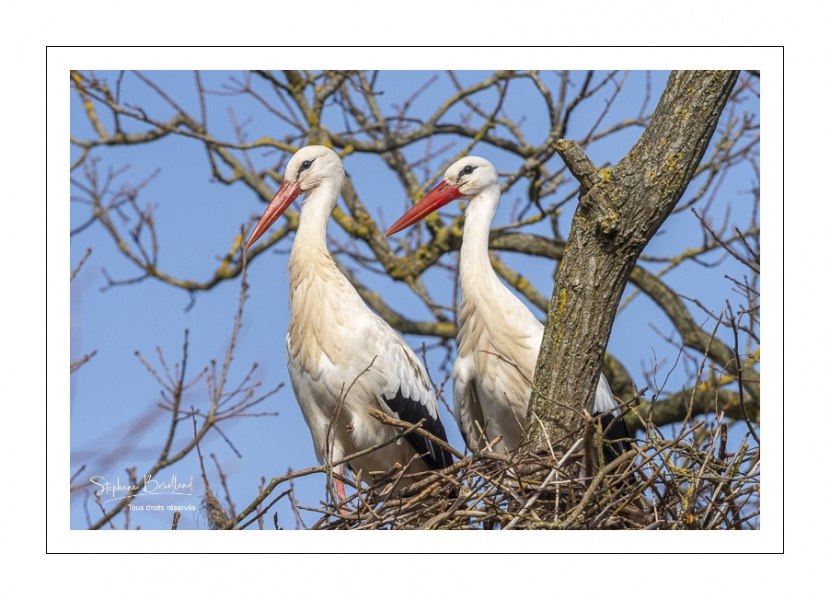
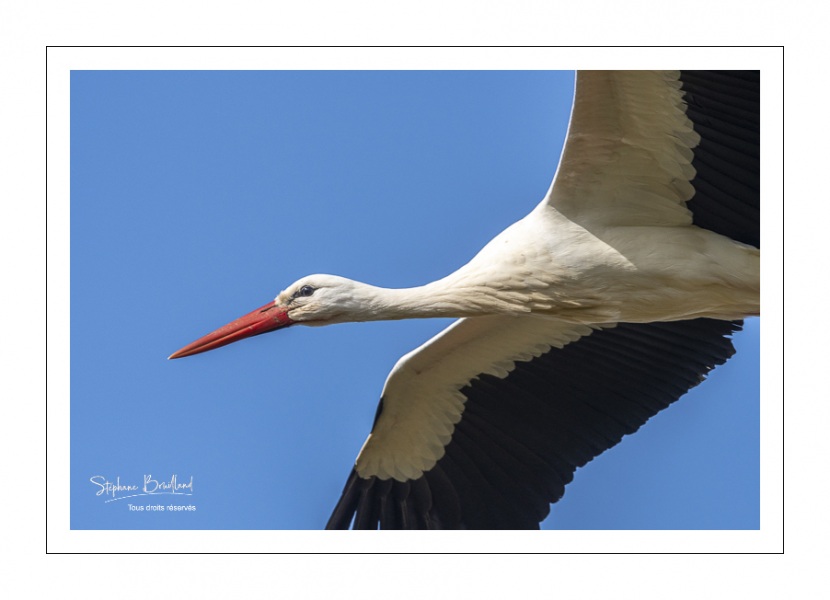
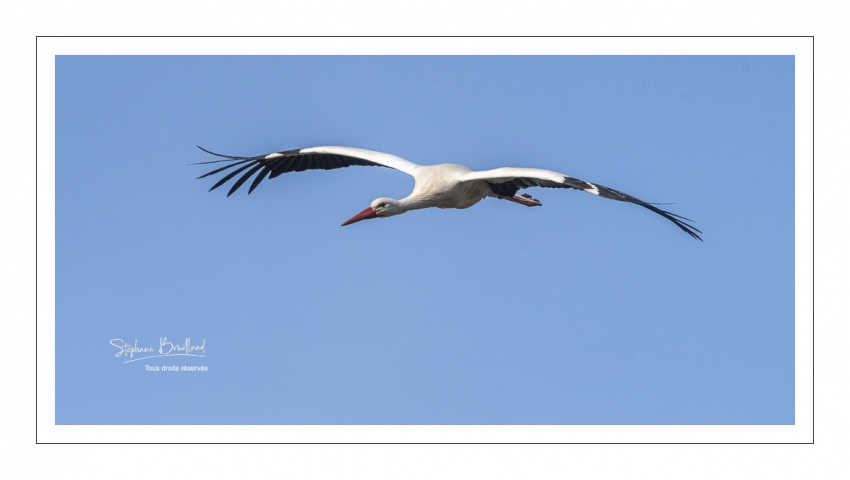
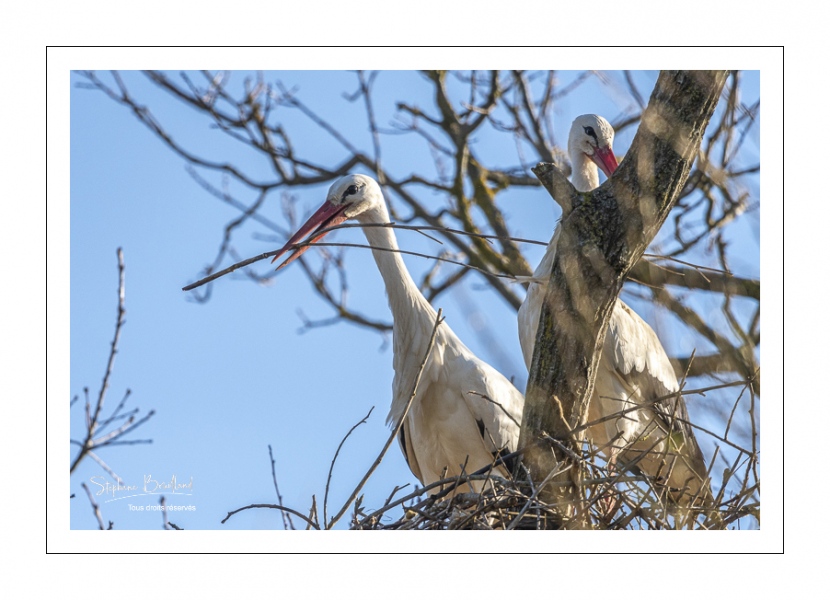
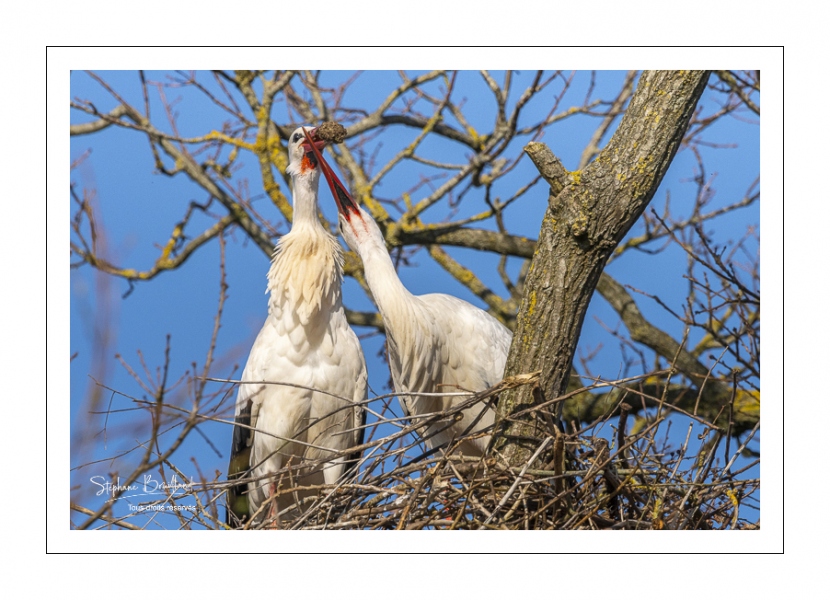
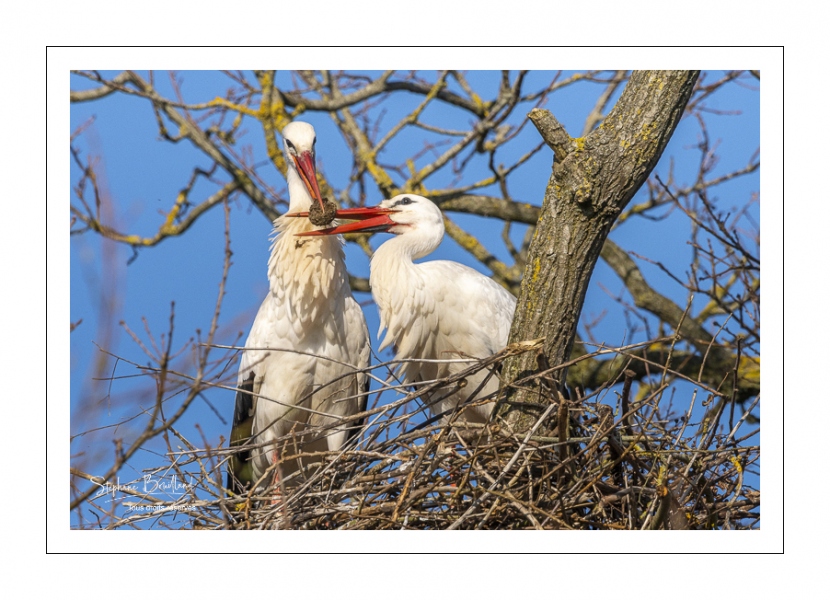
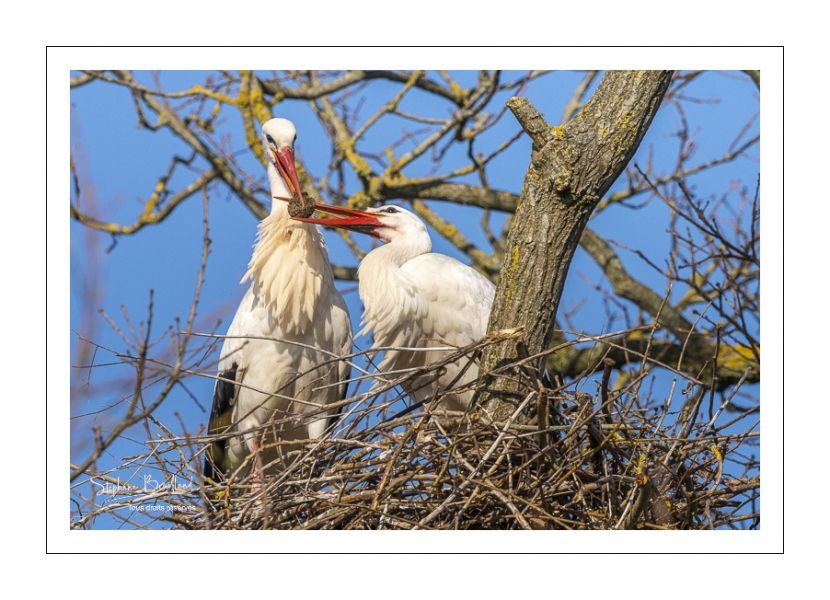
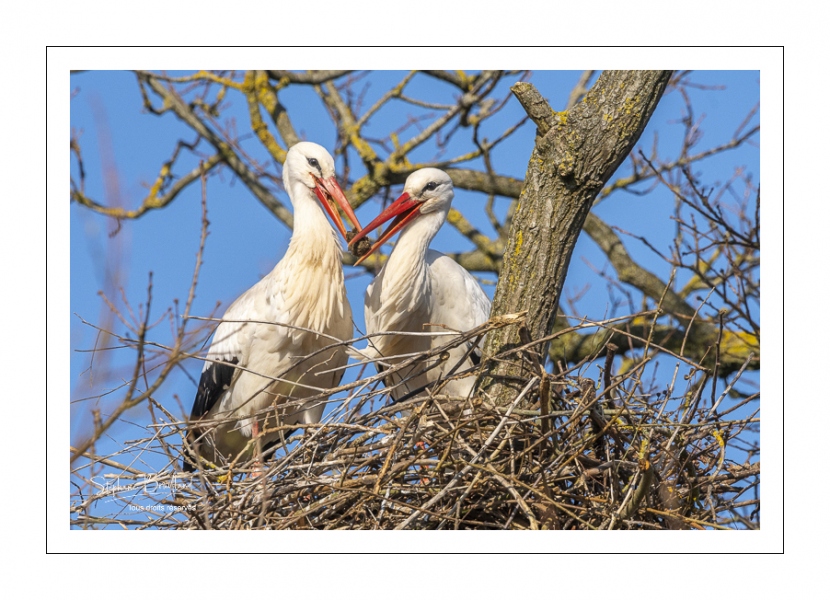
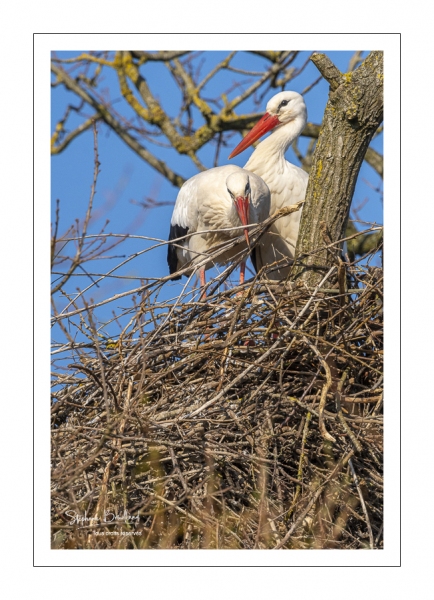
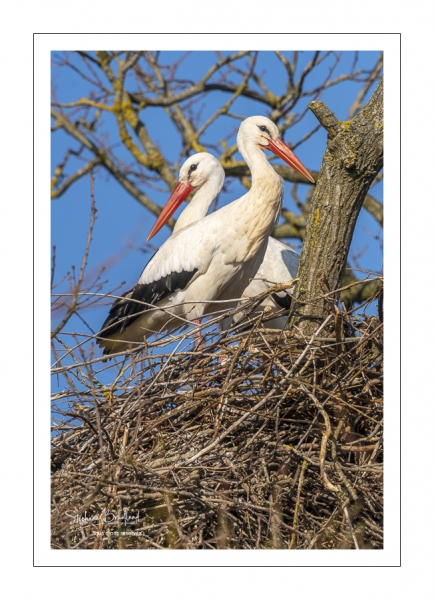
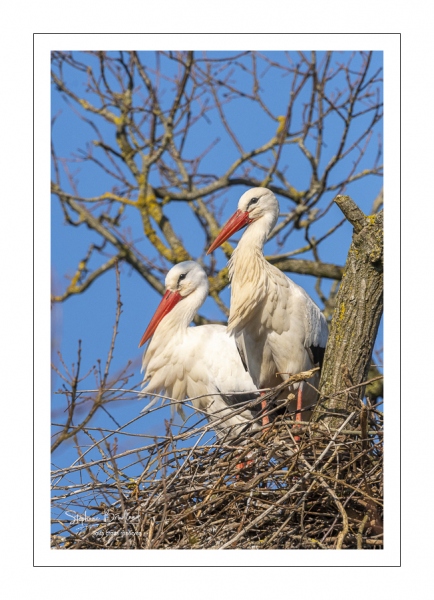
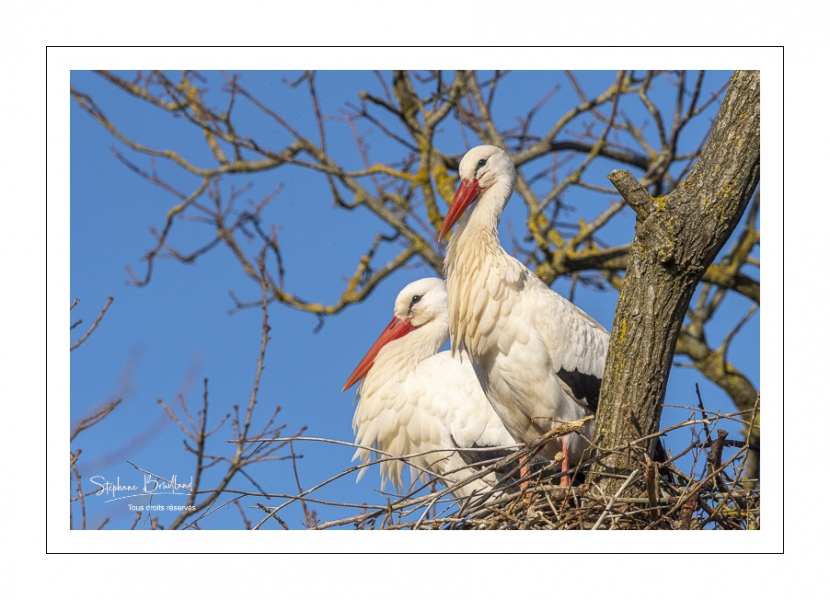
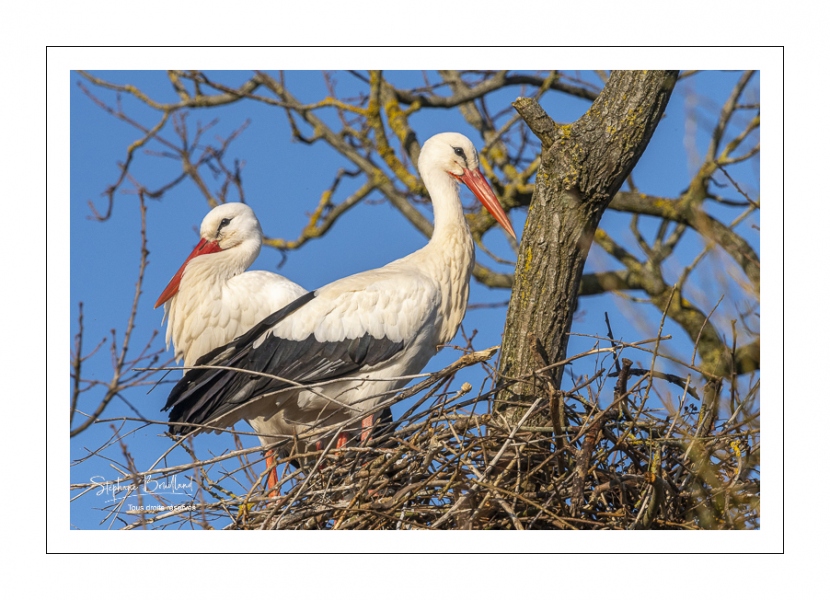
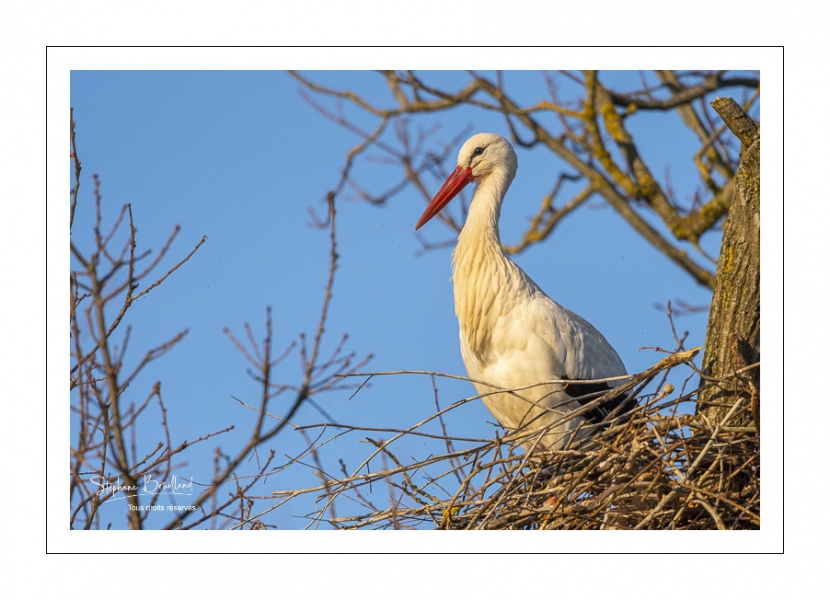
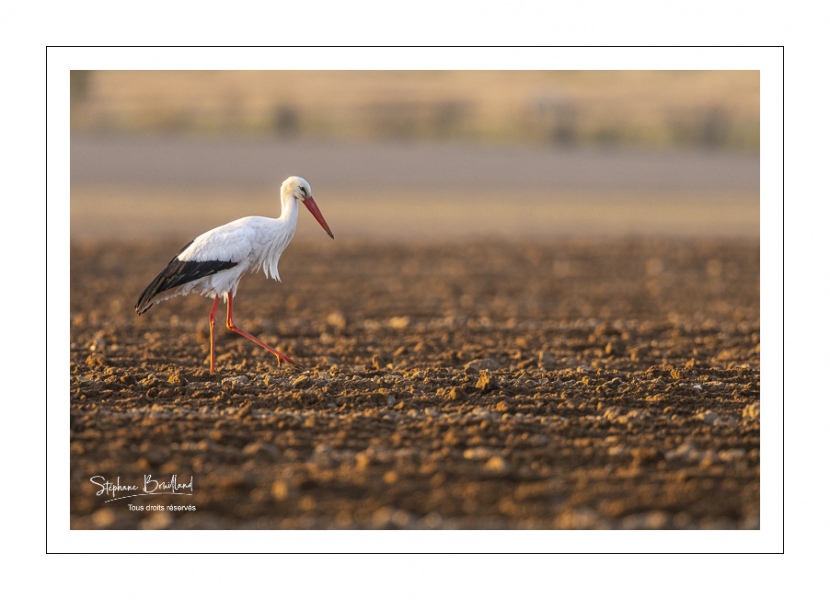
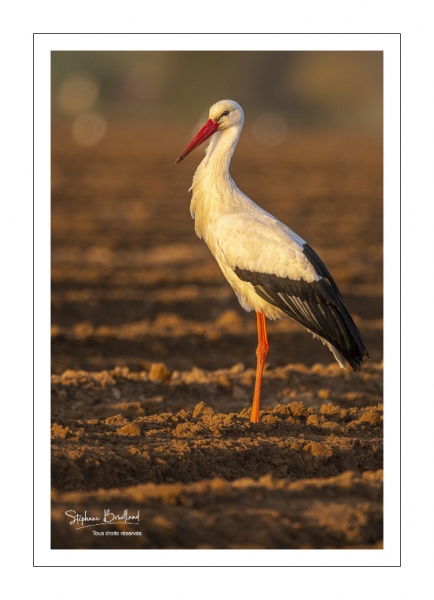
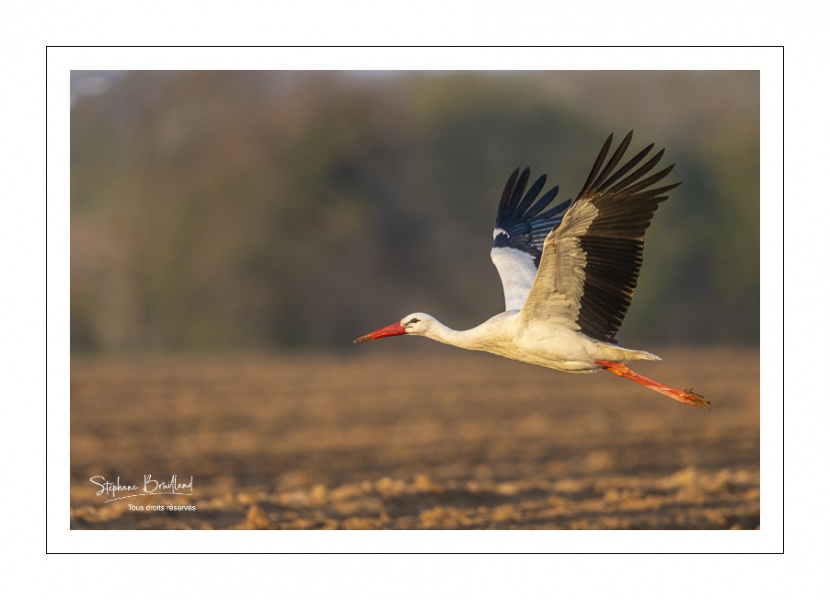
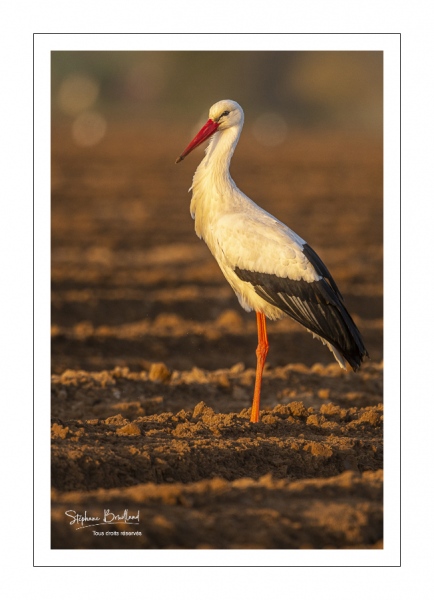
Here are the pictures taken during a few stalking sessions near a nest of white storks (Ciconia ciconia) well accessible on the roadside, in the lower valley of the Somme, close to the Somme bay. A nice little spot because the small country road is not very busy and you are alone with the chirping of the birds most of the time. There is a lot of waiting to be done because the birds can be absent for a long time or remain almost motionless, dozing on the nest for a long time... Fortunately, there are other nests further away, too far for photos, but which still allow observation.
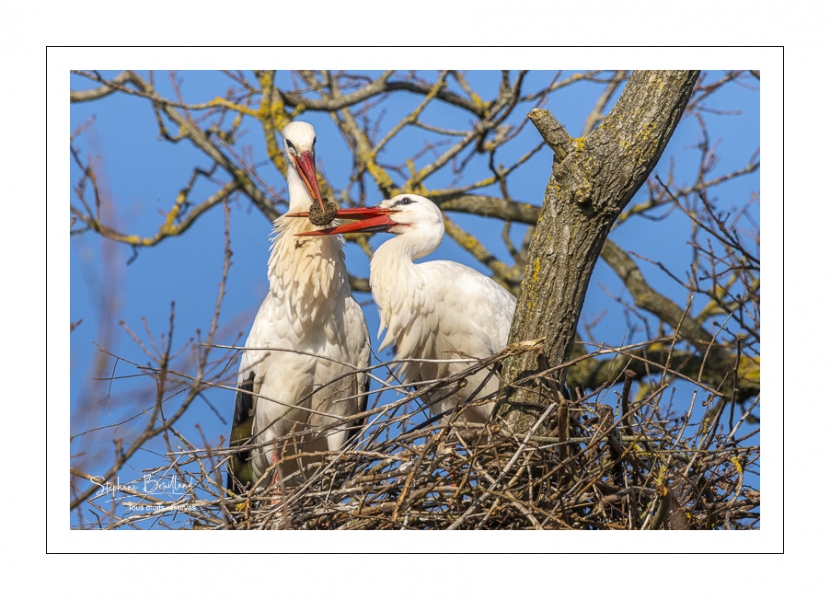
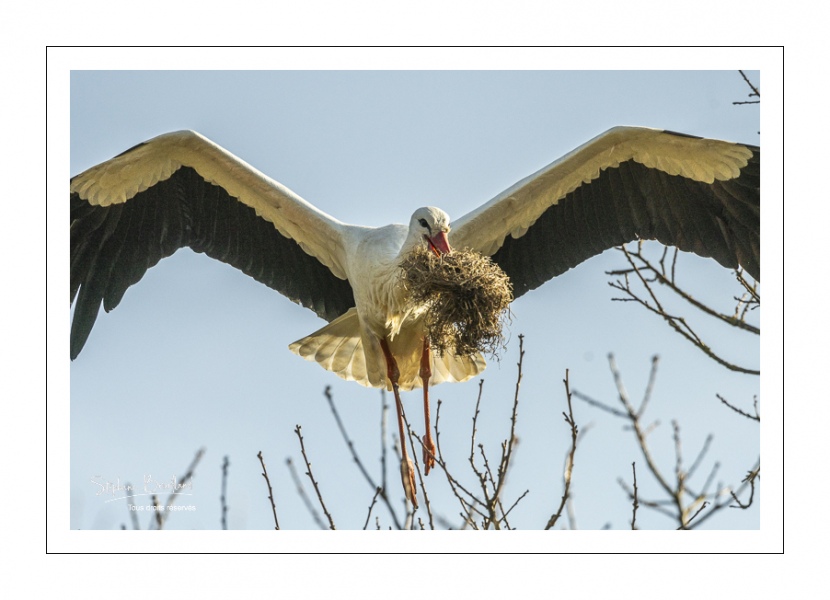
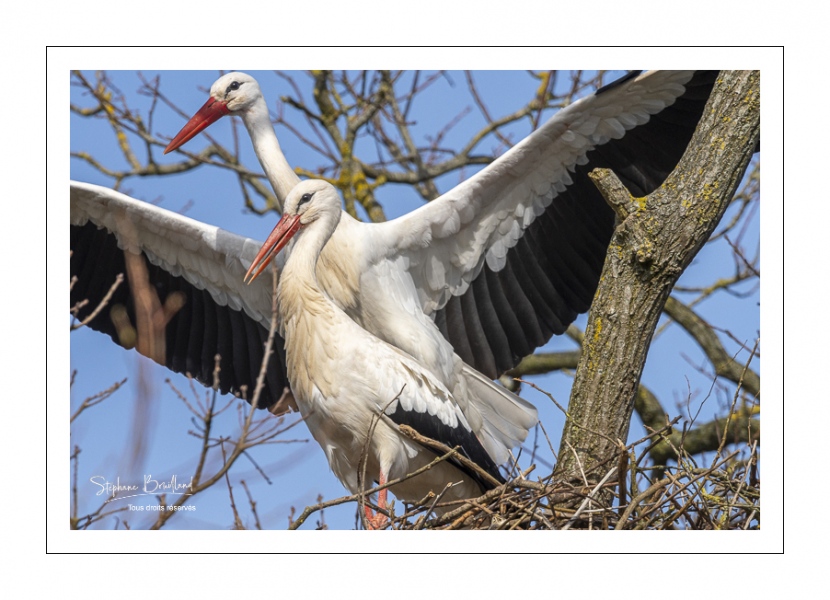
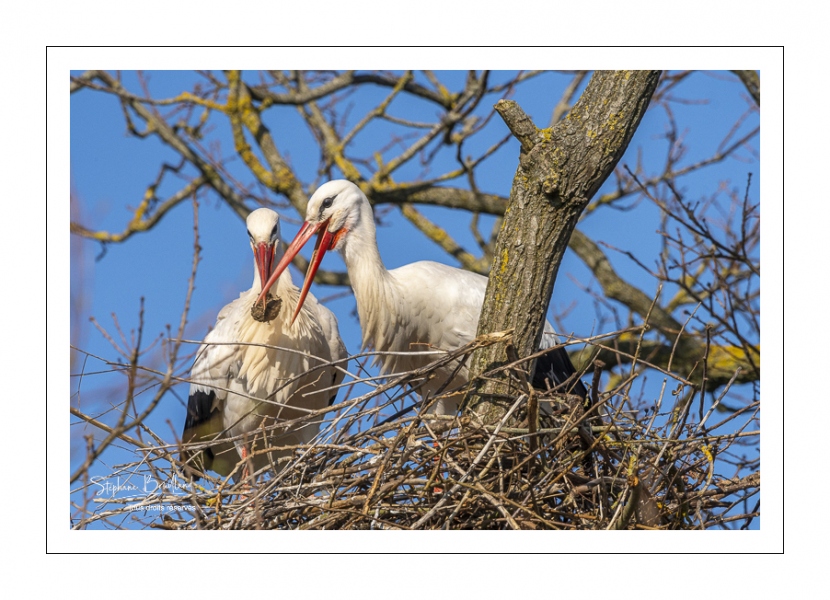
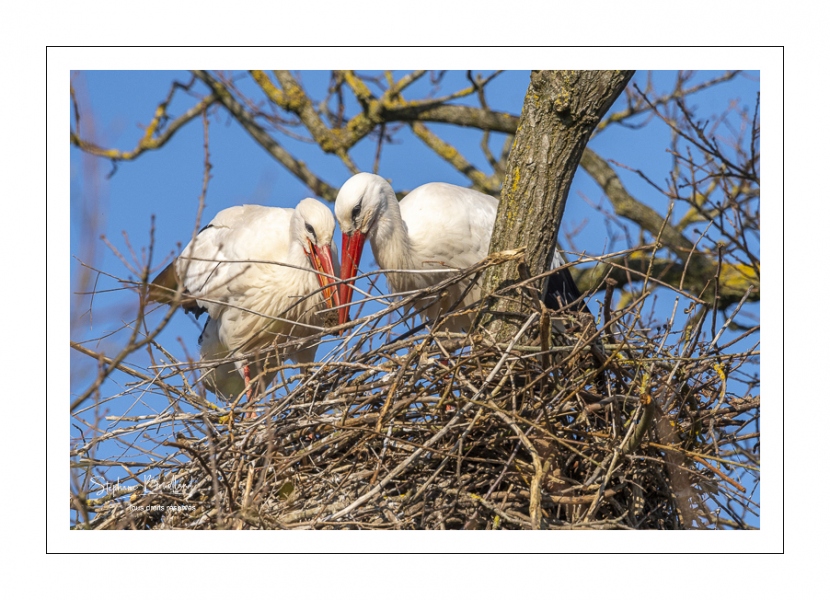
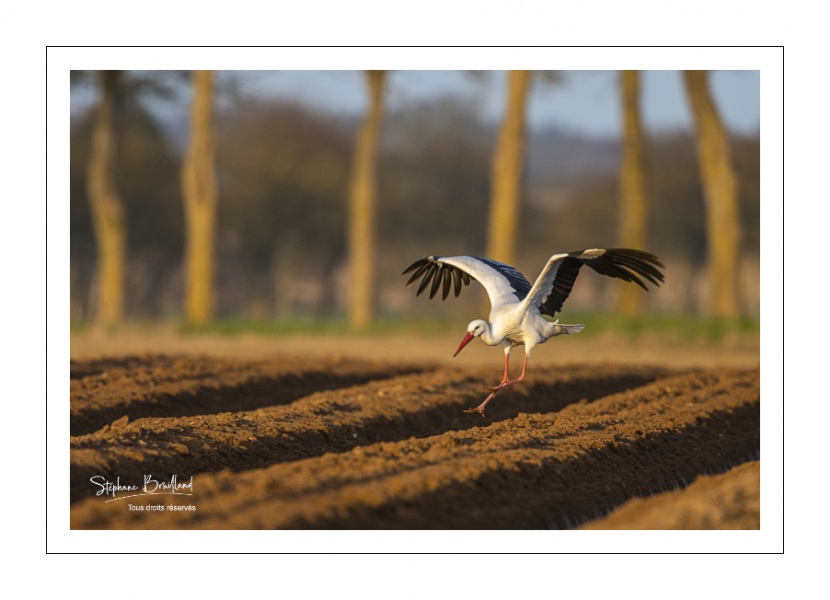
Seeing a stork come back with enough to add a floor to the nest is the reward for the wait! The construction of the nests continues from year to year and they can weigh 200 to 300 kg (or even much more and end up collapsing). The lady (?) shows her contentment by snapping her beak, head back, and each one goes to work to arrange the branches or the balls of mud thus brought back.
There is a bit of competition, so I could see another individual, either in search of a nest, or a supernumerary male in search of a female, trying to land on the nest occupied by "my" pair and being violently chased away!
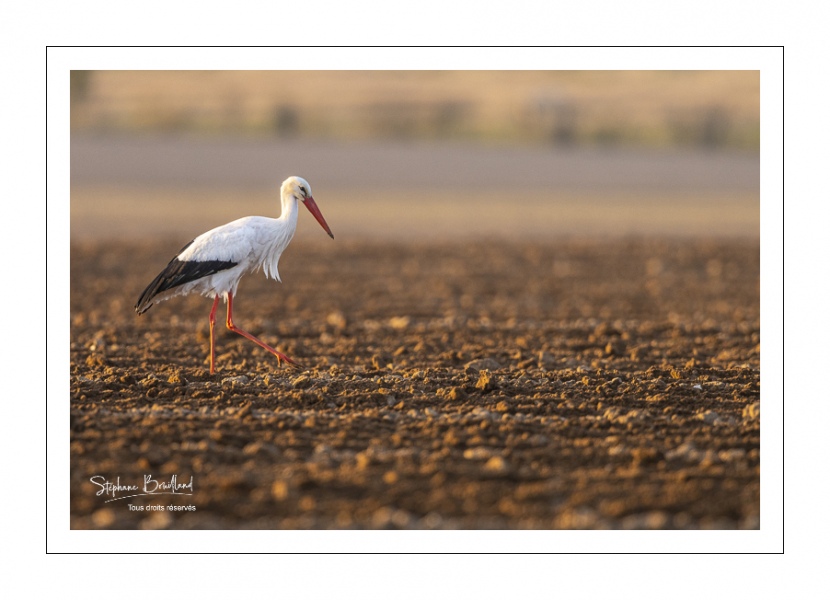
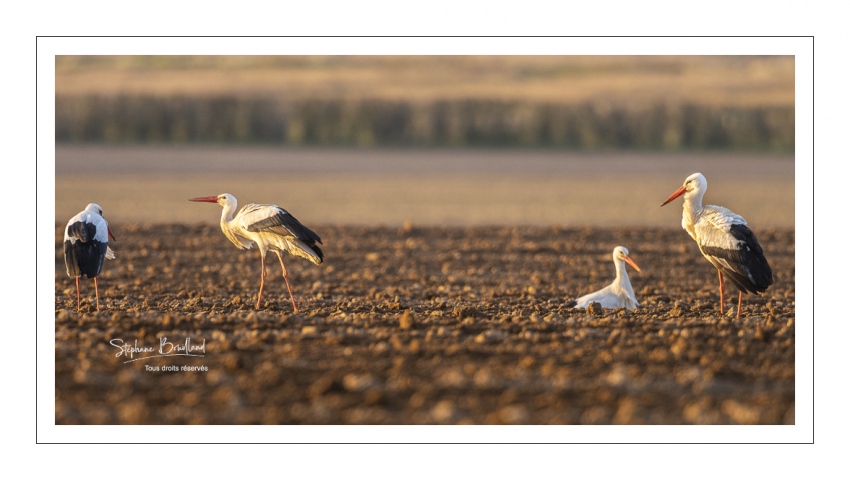
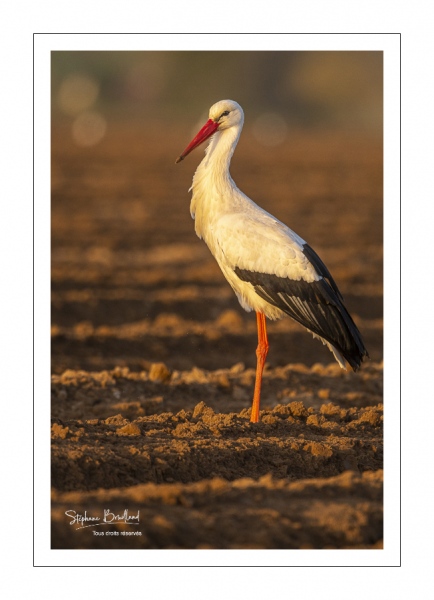
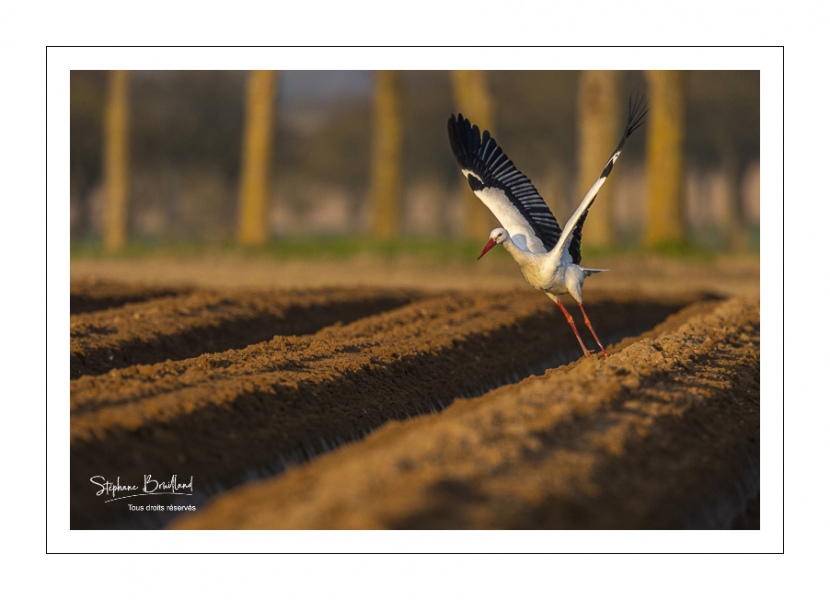
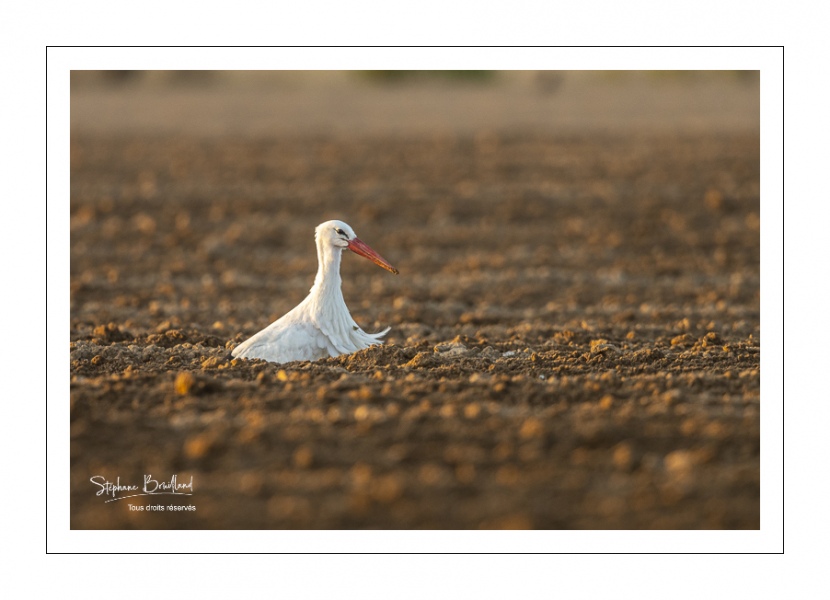
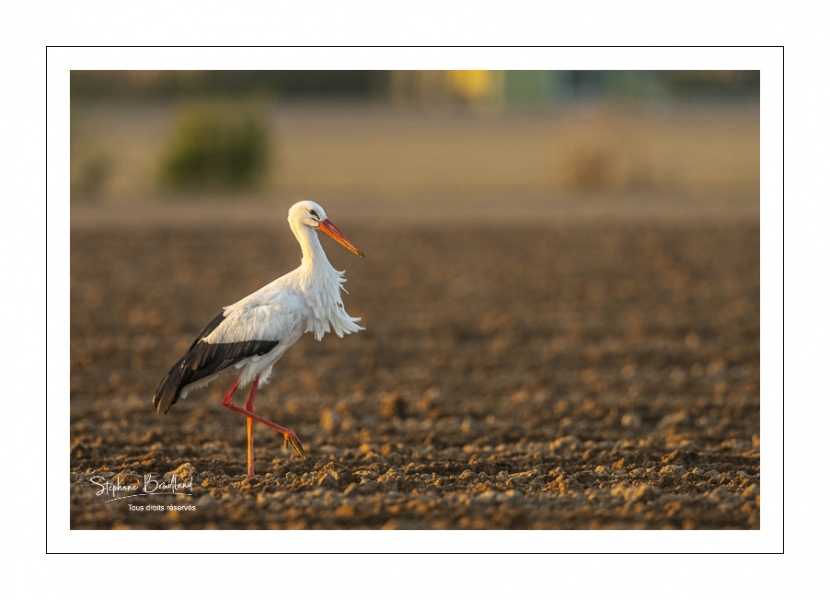
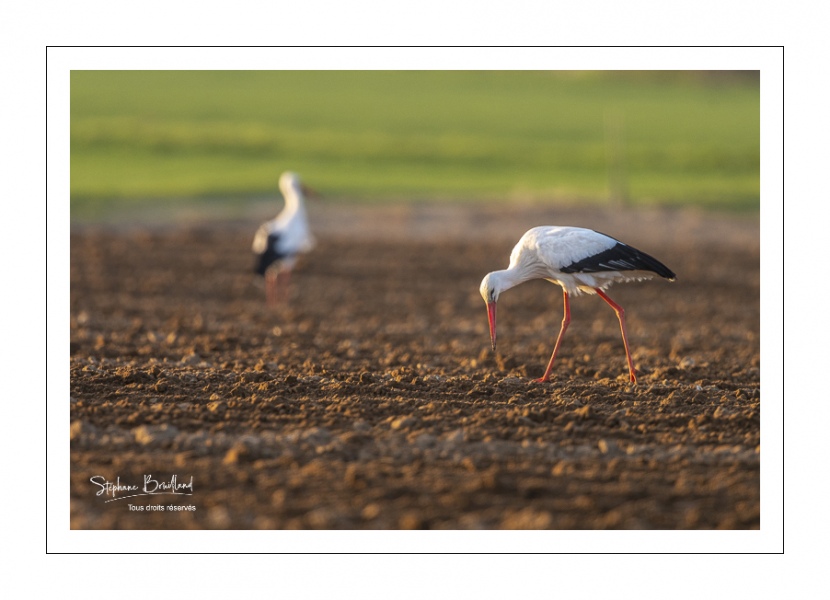
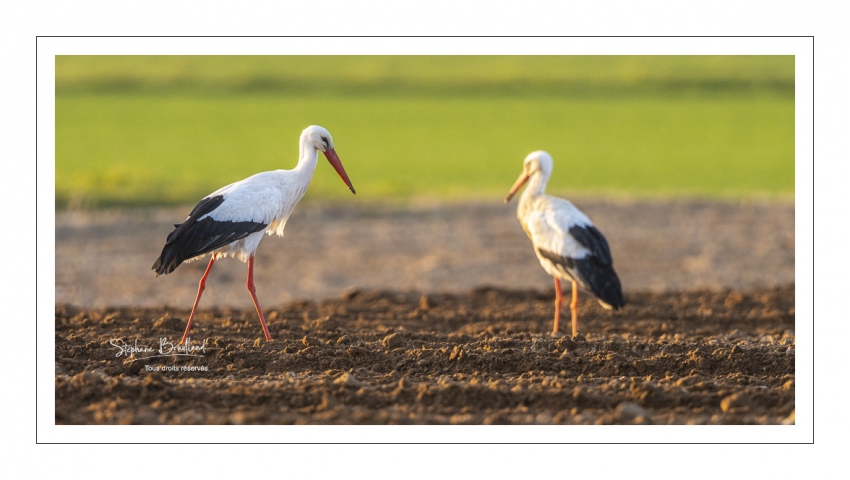
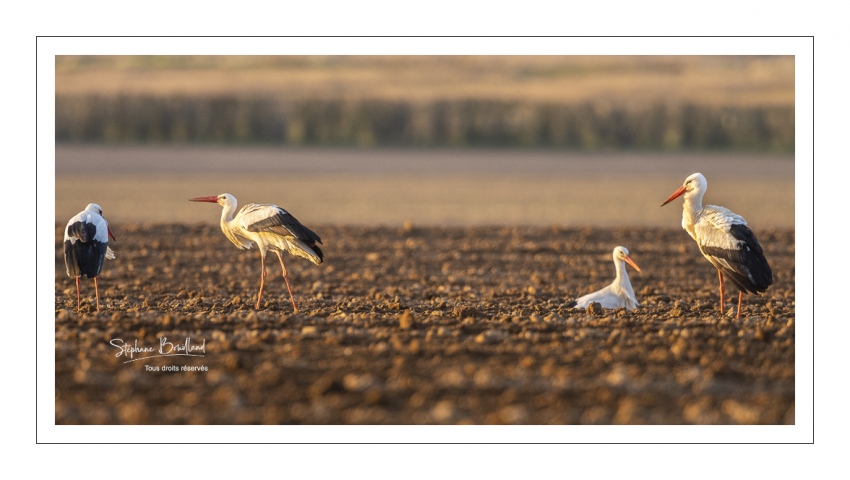
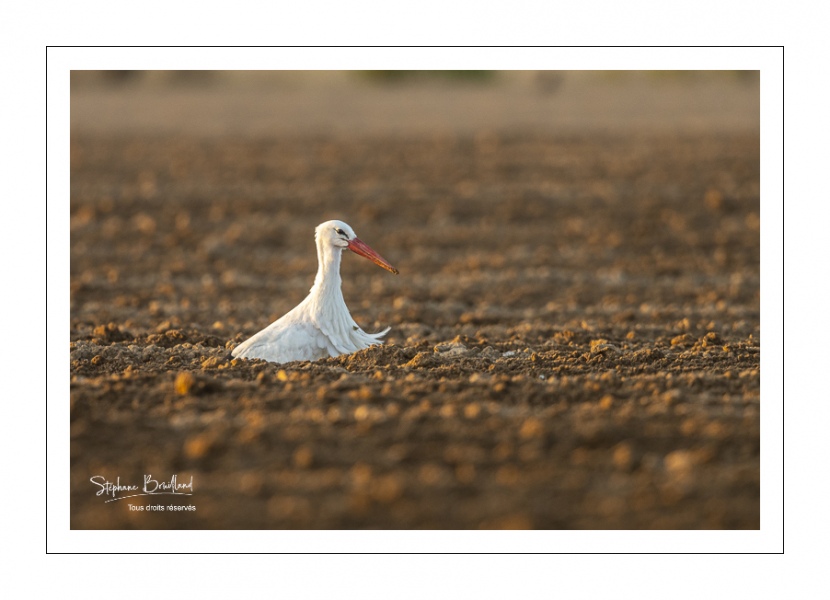
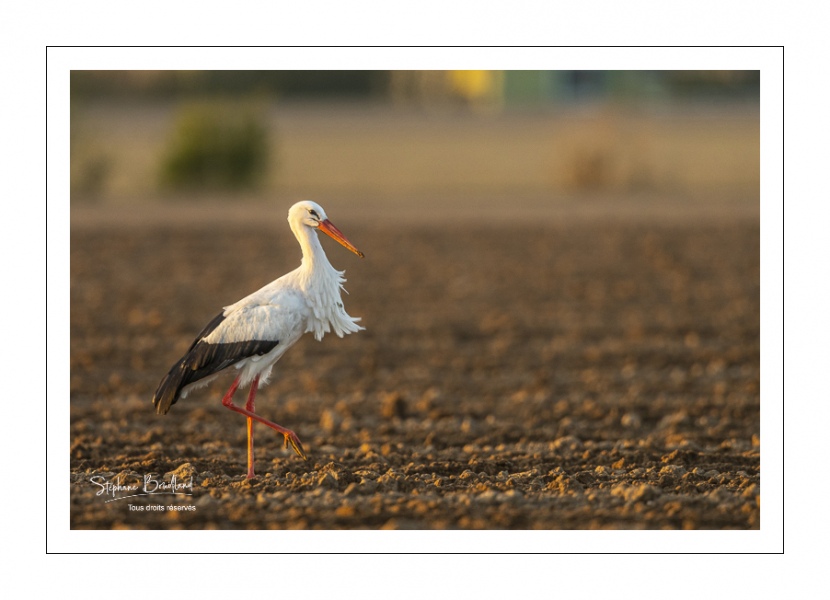
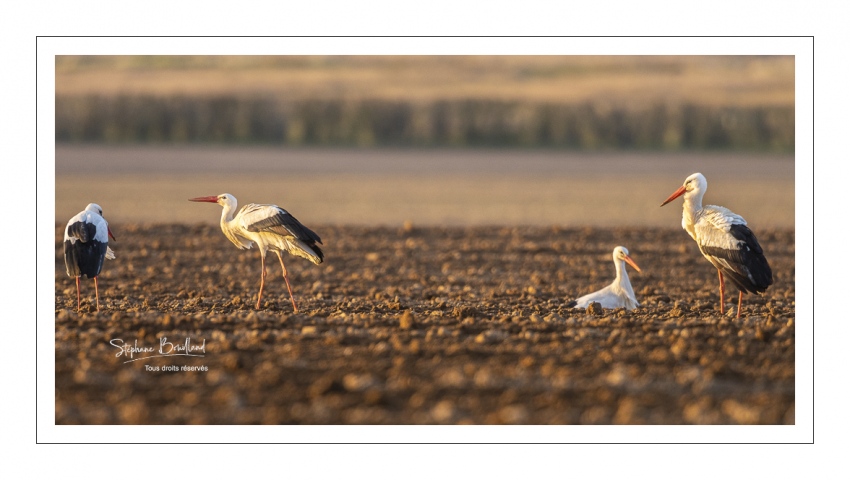
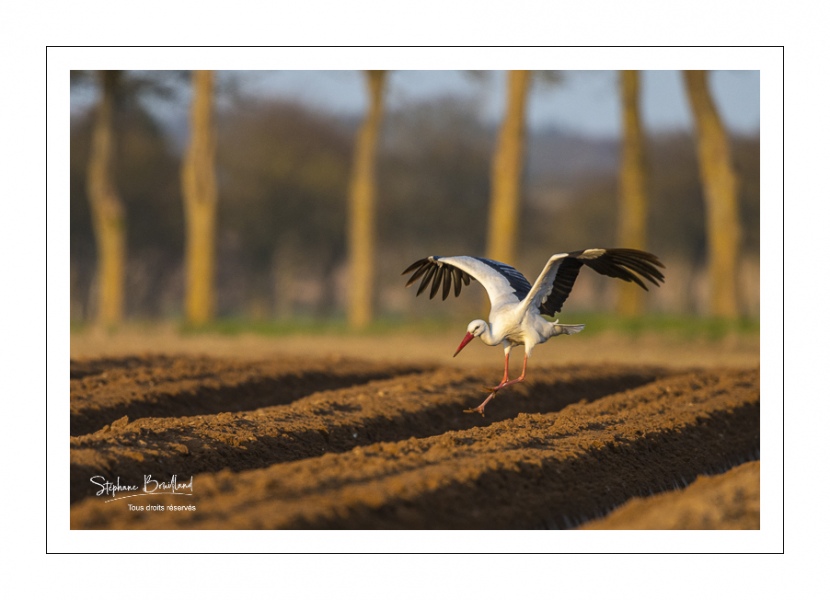
With a bit of luck, storks can be found in the neighbouring fields and pastures. I observed 6 of them in a potato field, exploring the freshly dug furrows, sometimes with only their heads visible...
When I was last here, the brooding had begun, so I preferred not to risk disturbing them. See you in a few weeks to see if the young are present!




Cold wave in the Bay of the Somme
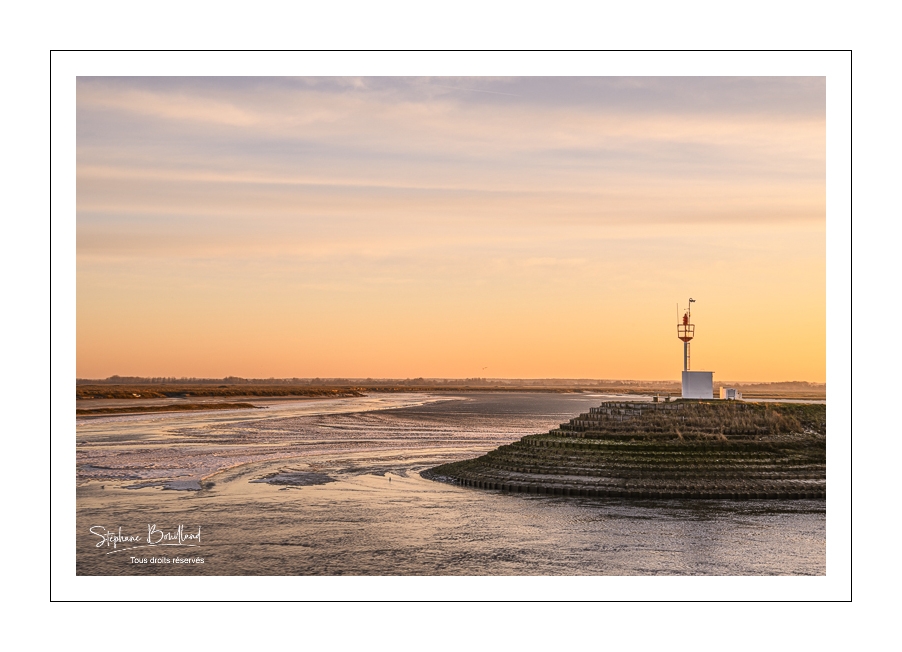
Near Saint-Valery-sur-Somme
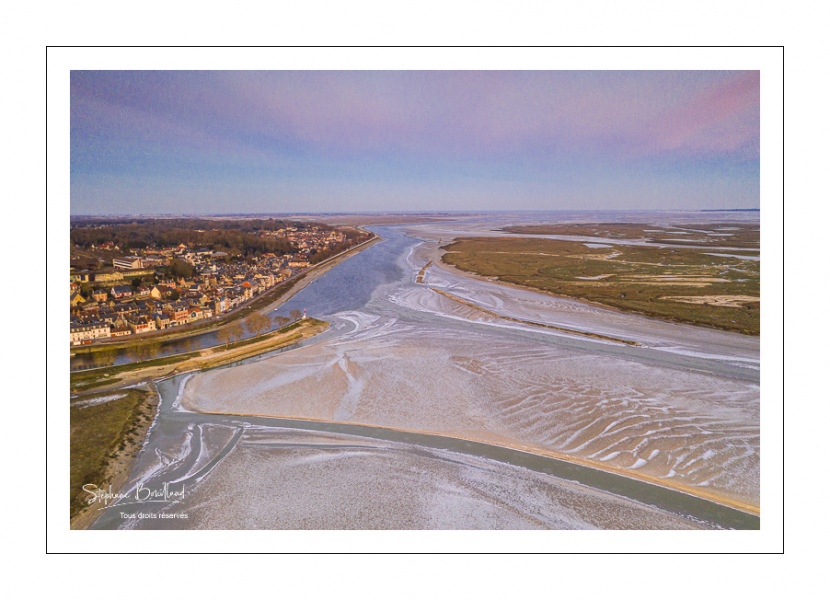
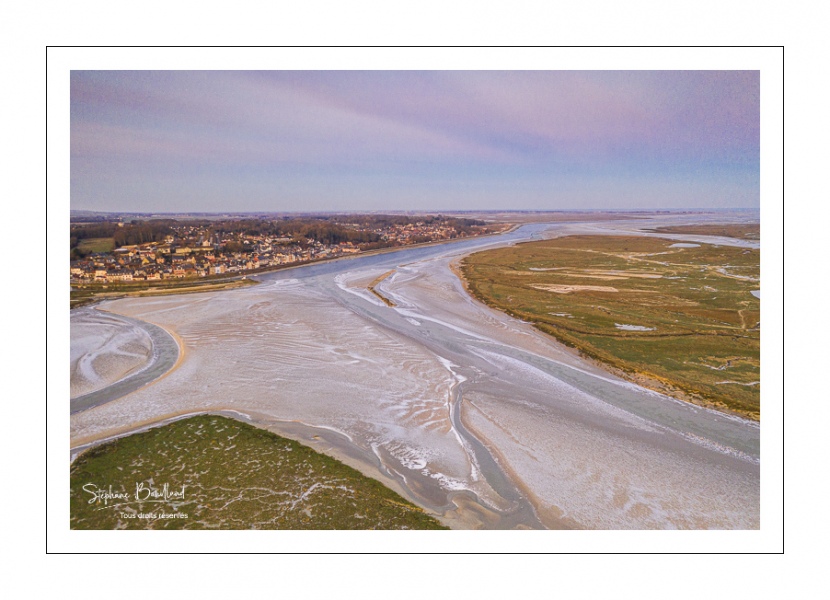
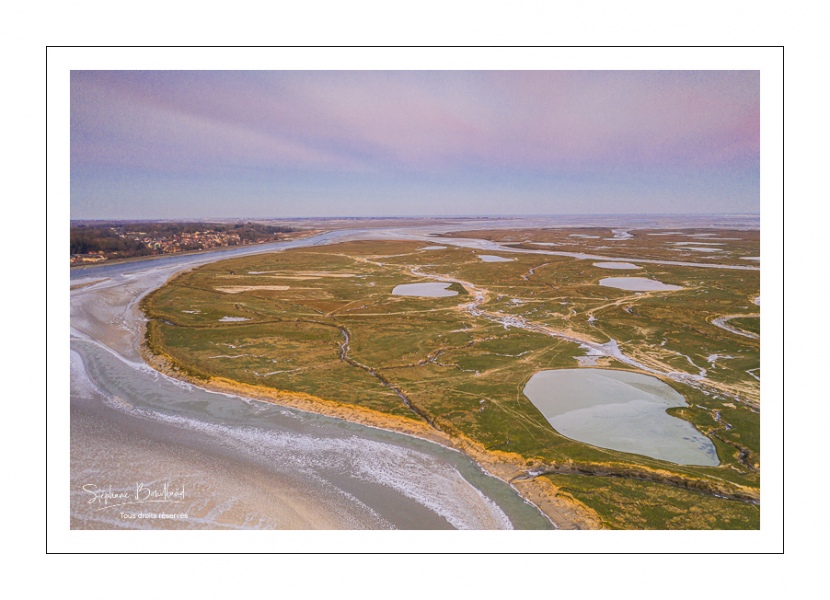
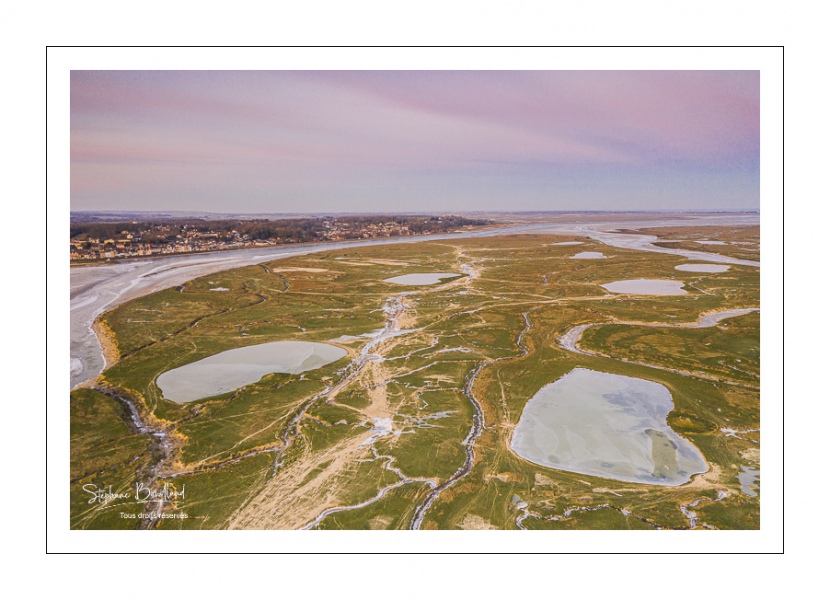
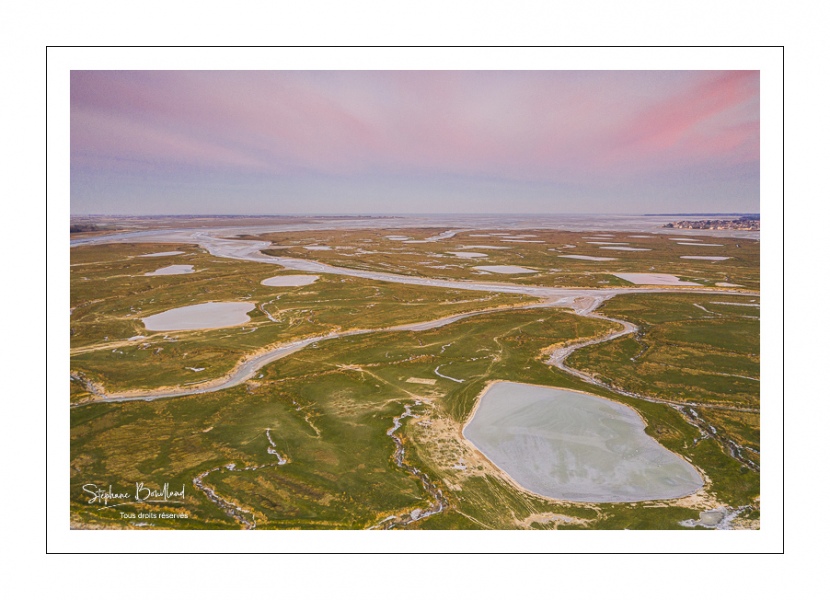
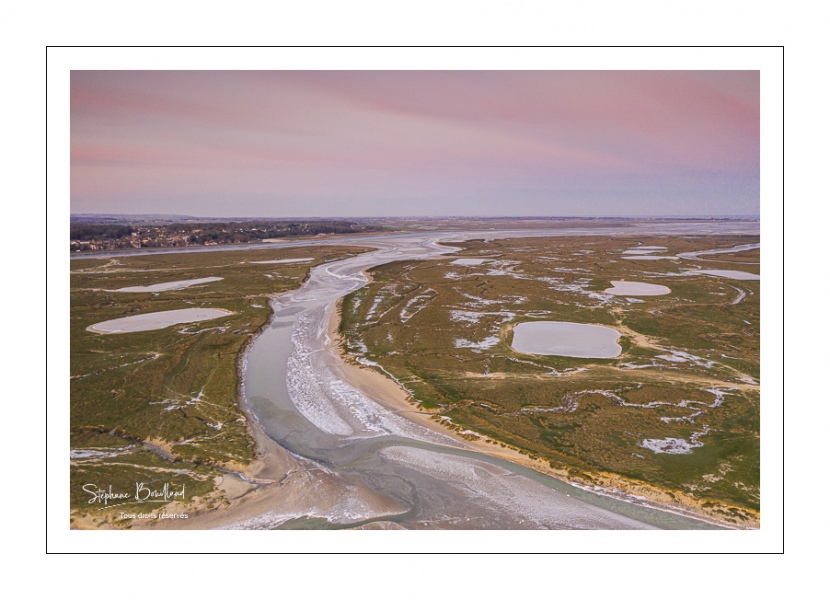
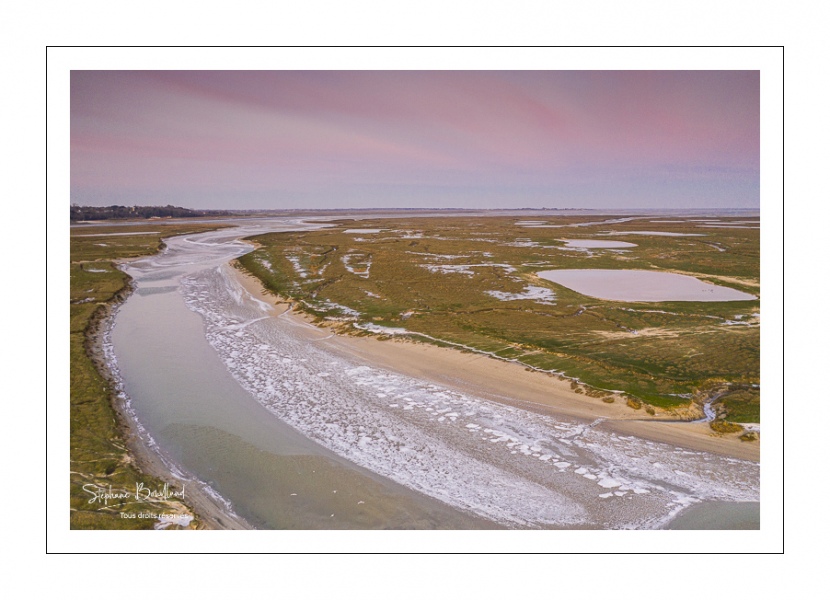
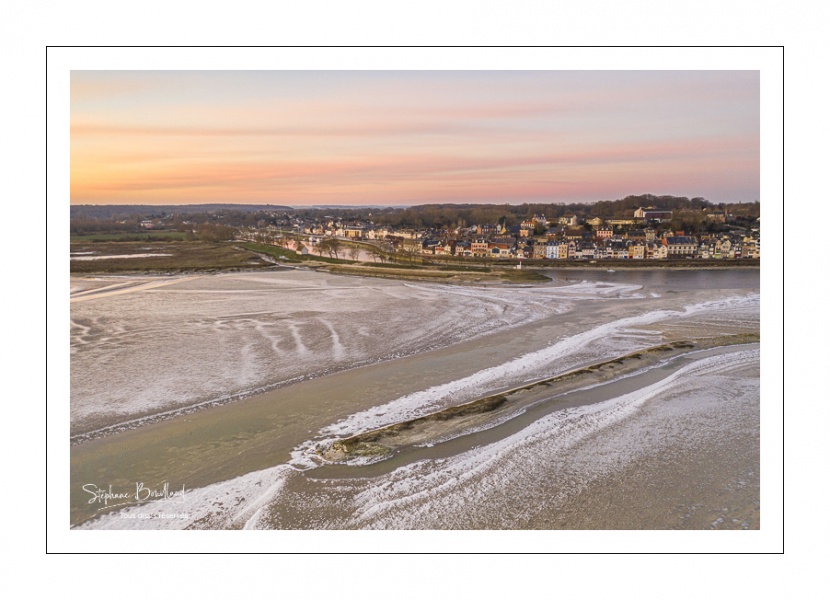
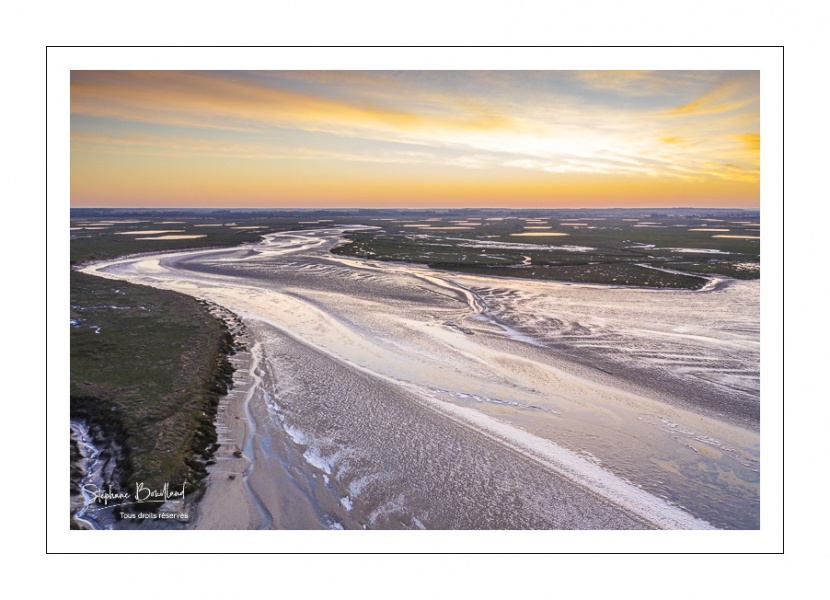
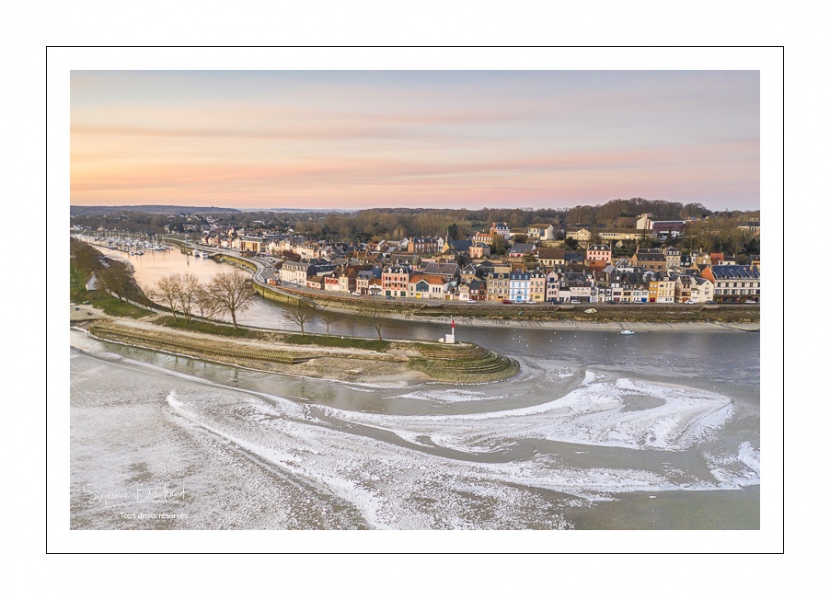
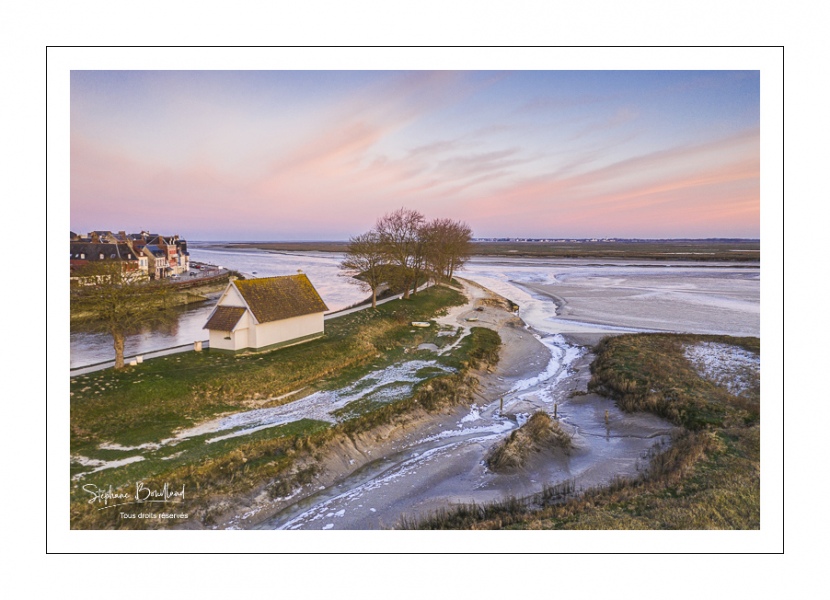
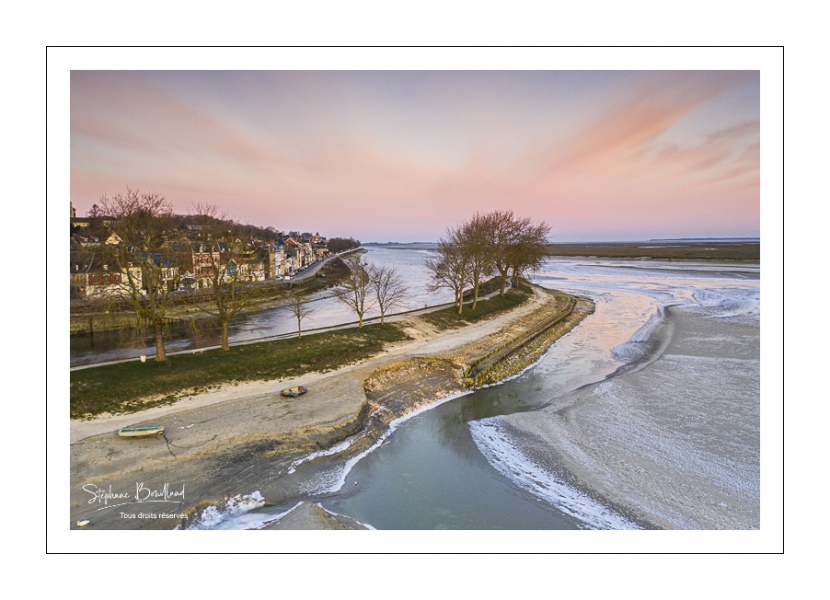
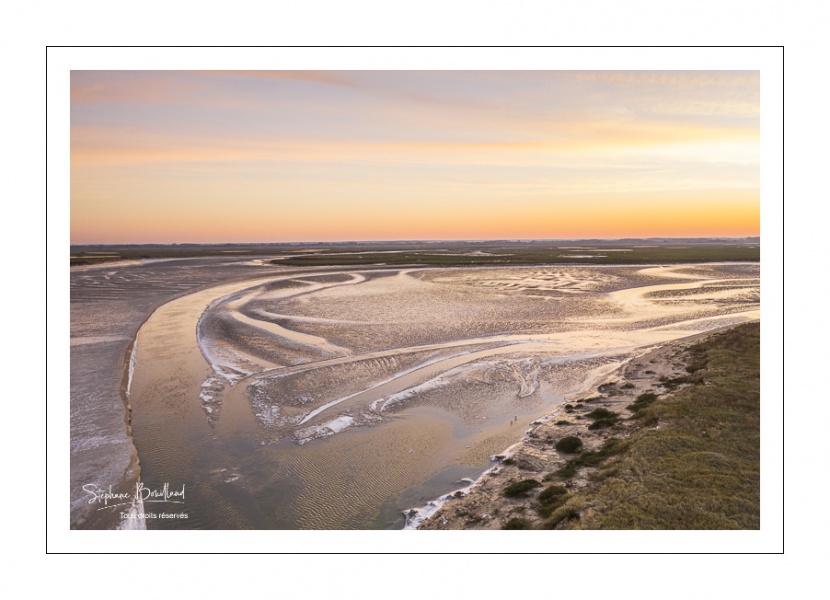
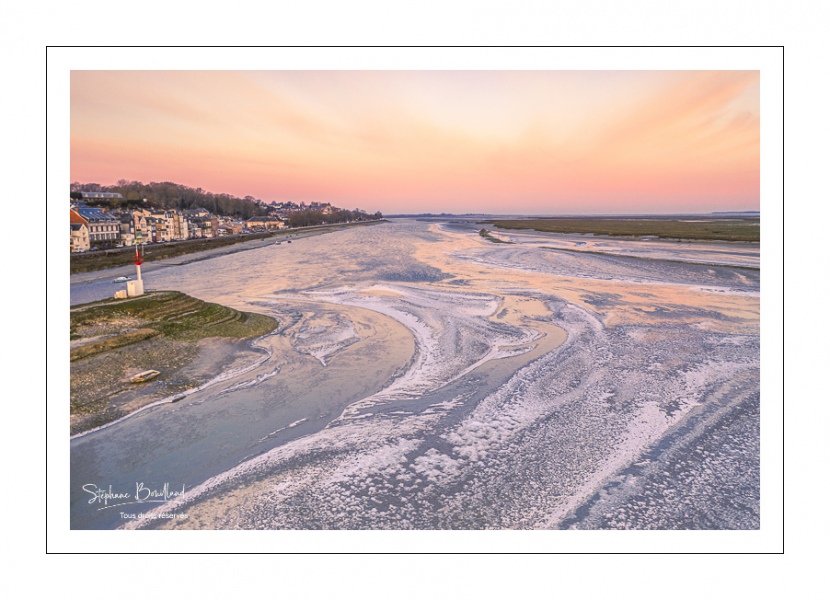
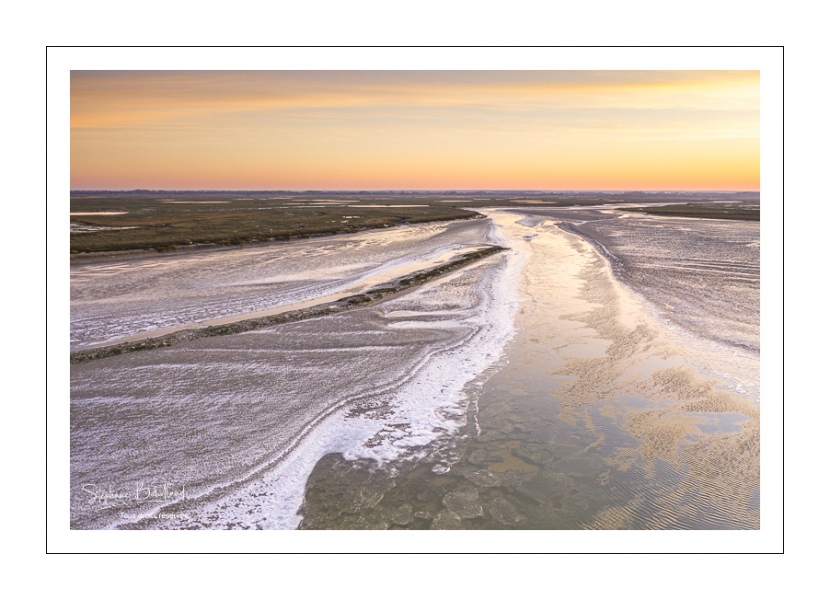
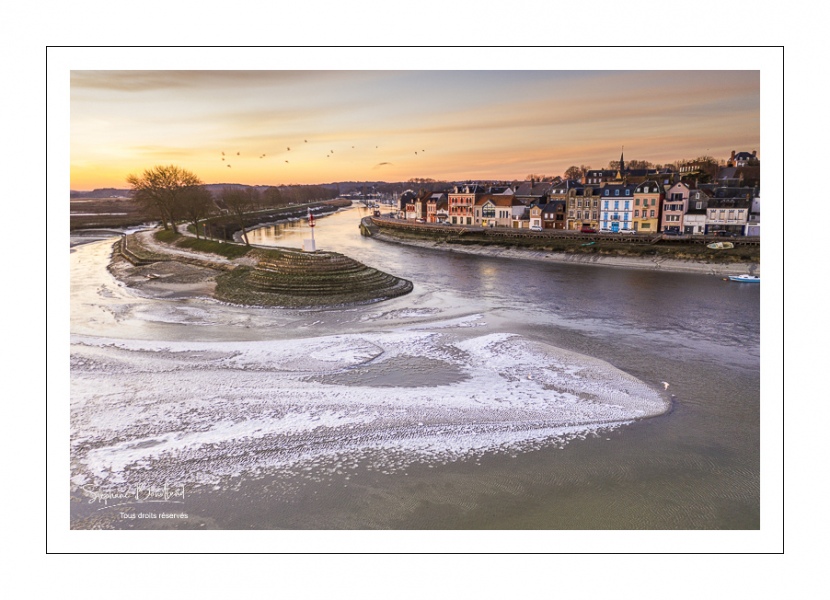
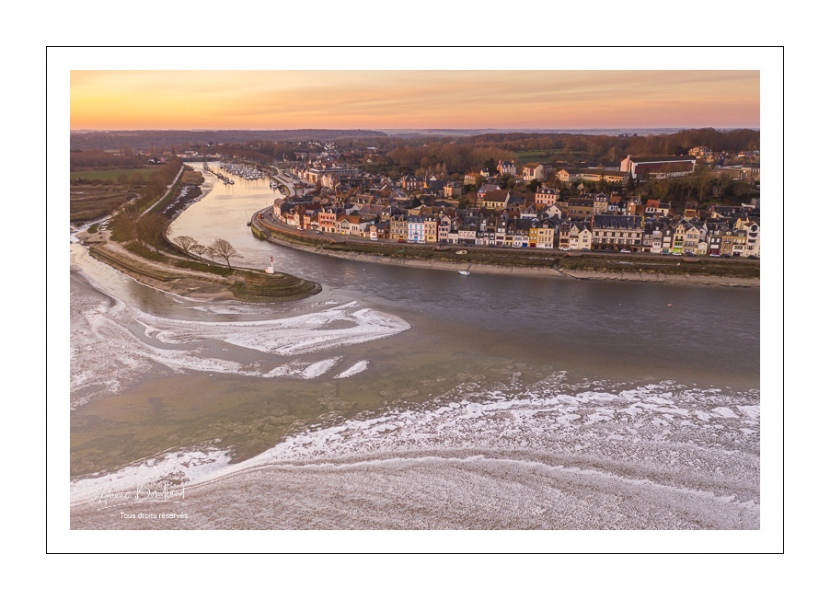
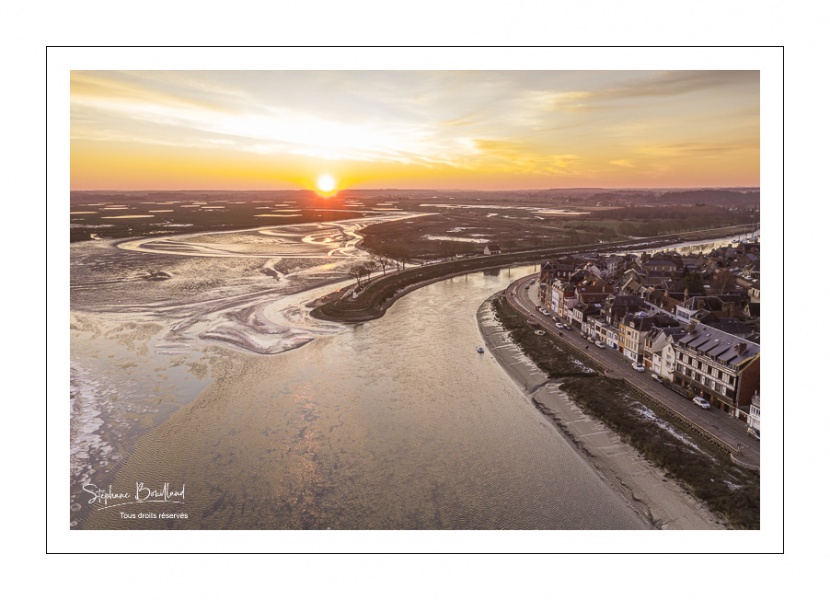
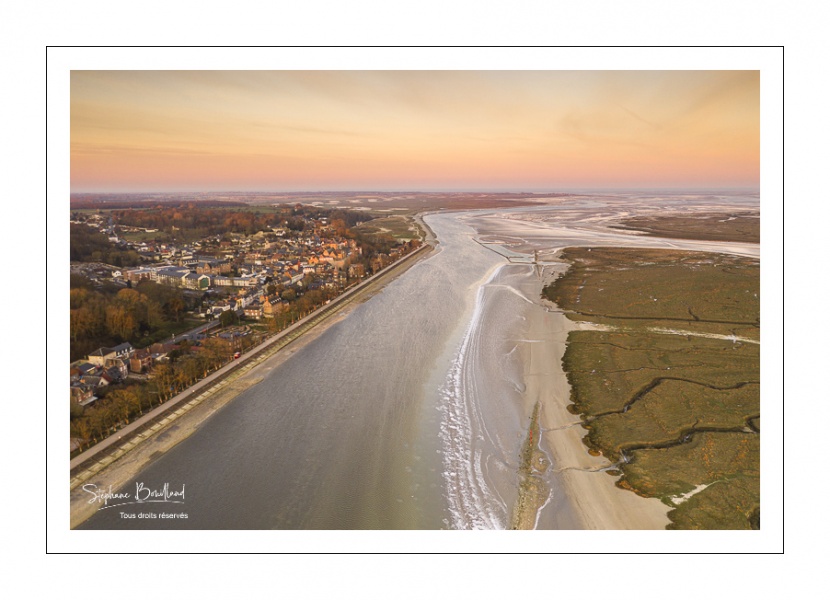
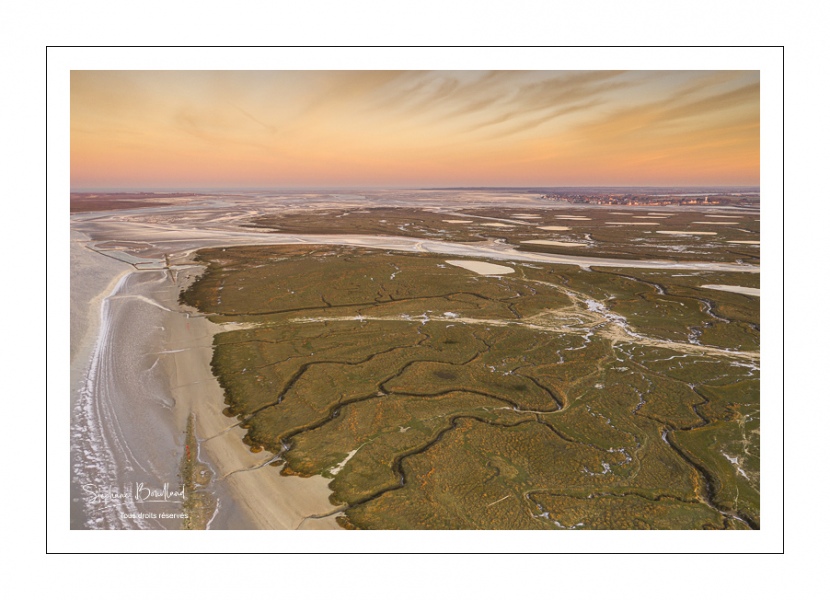
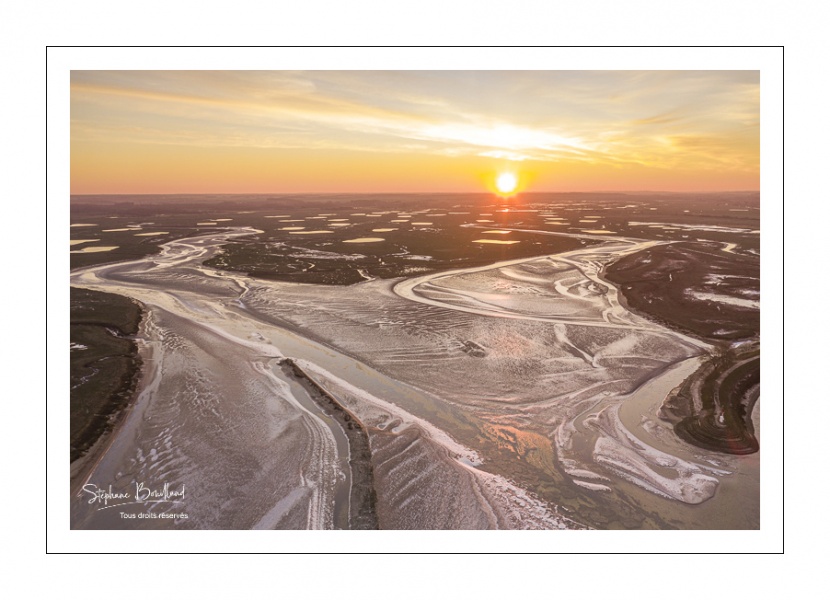
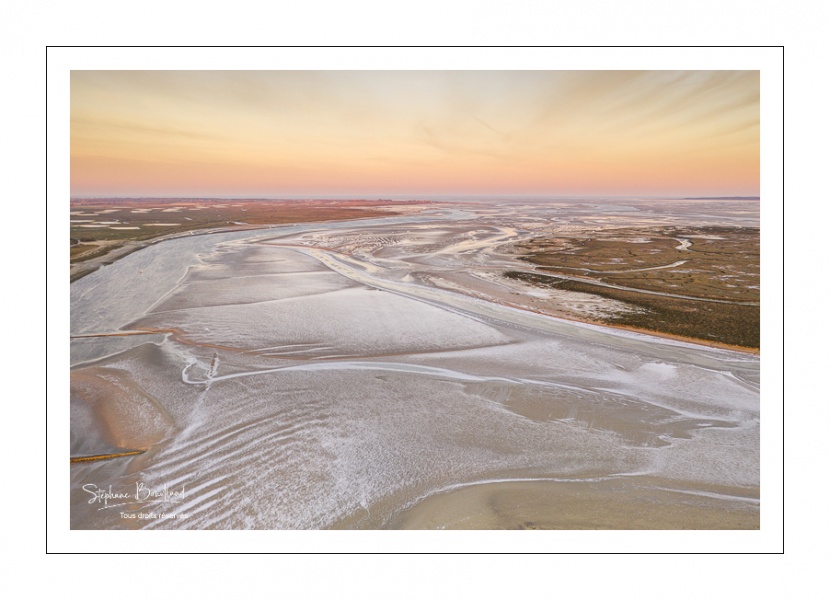
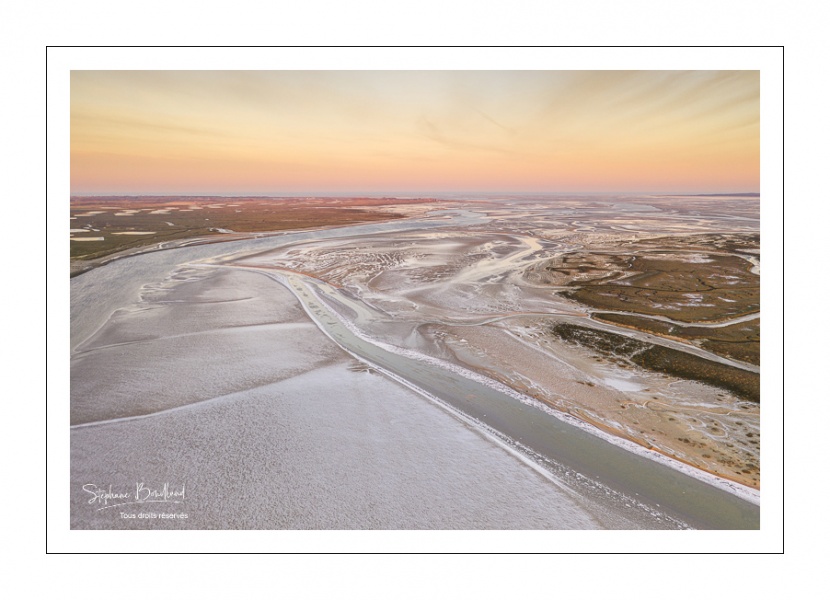
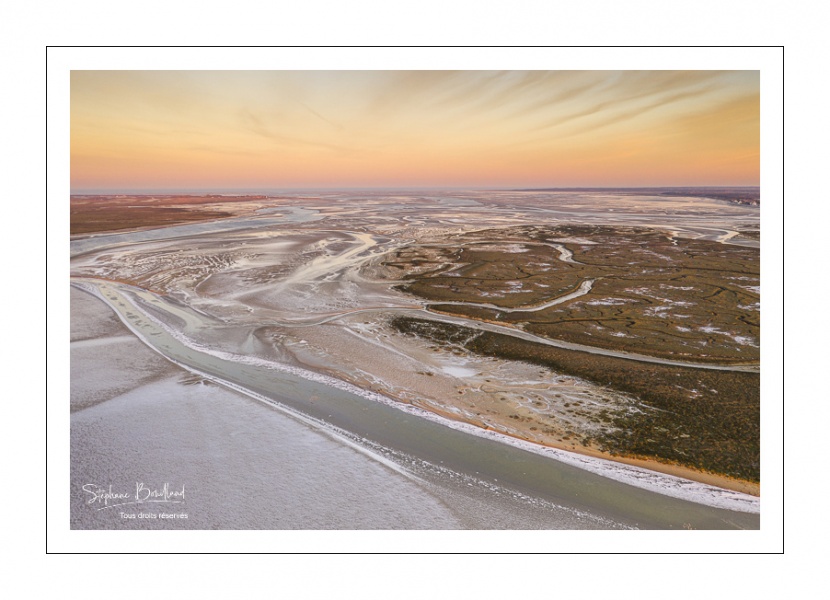
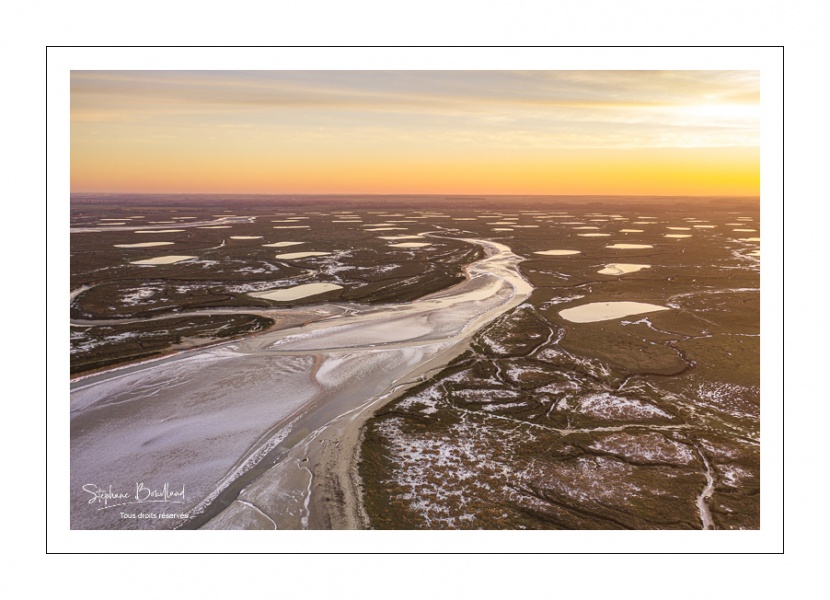
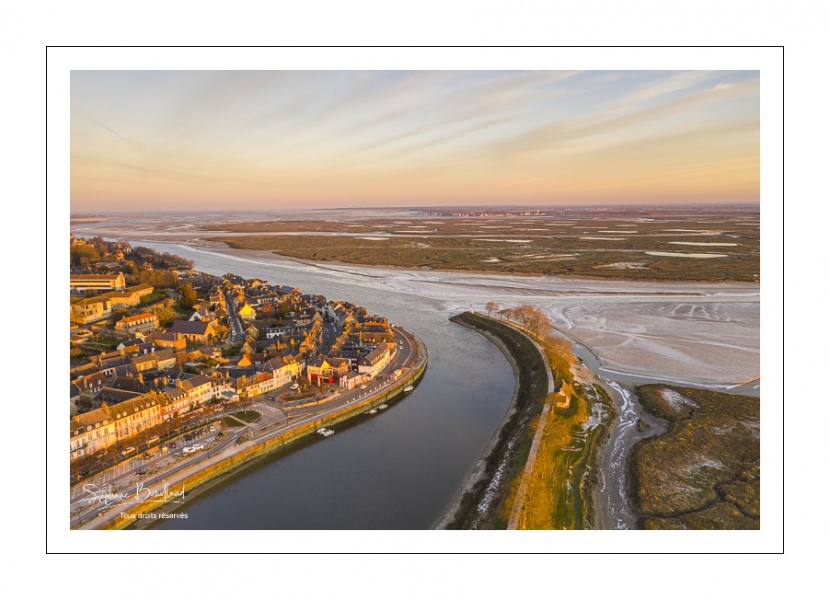
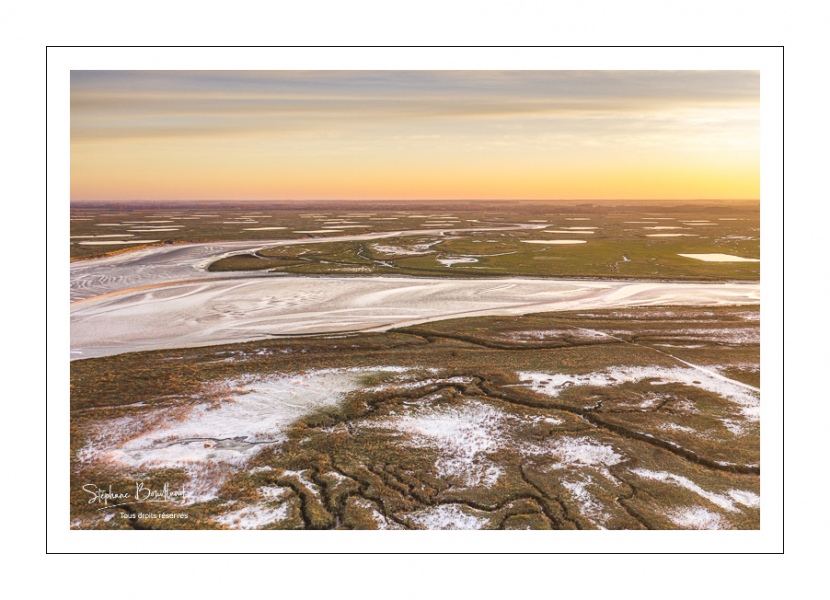
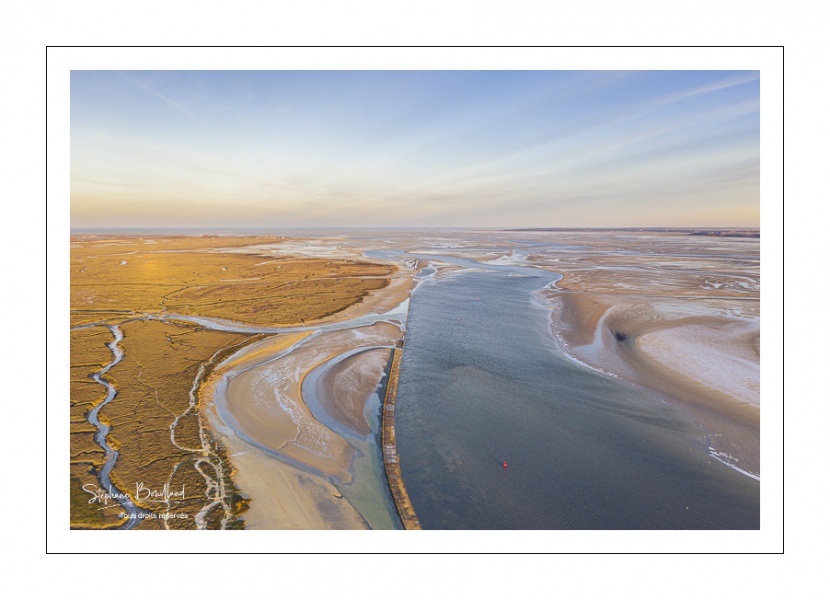
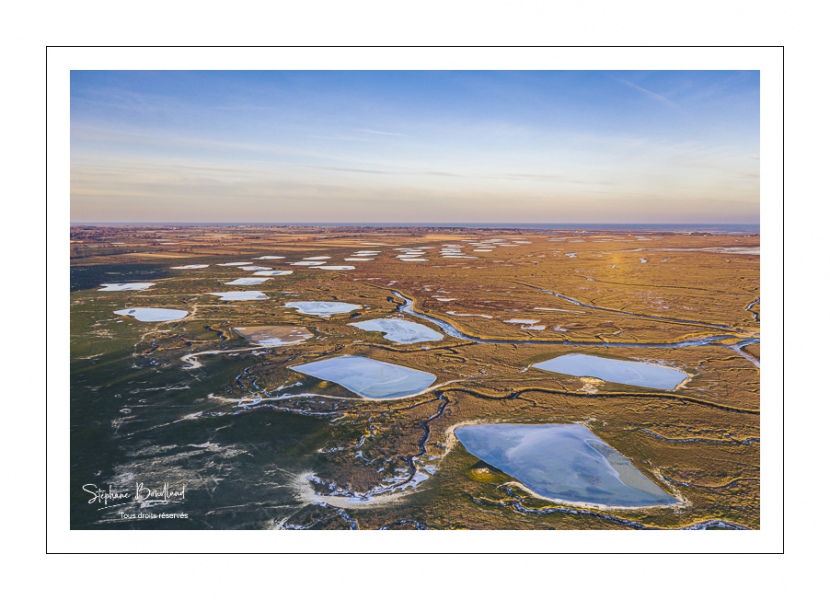
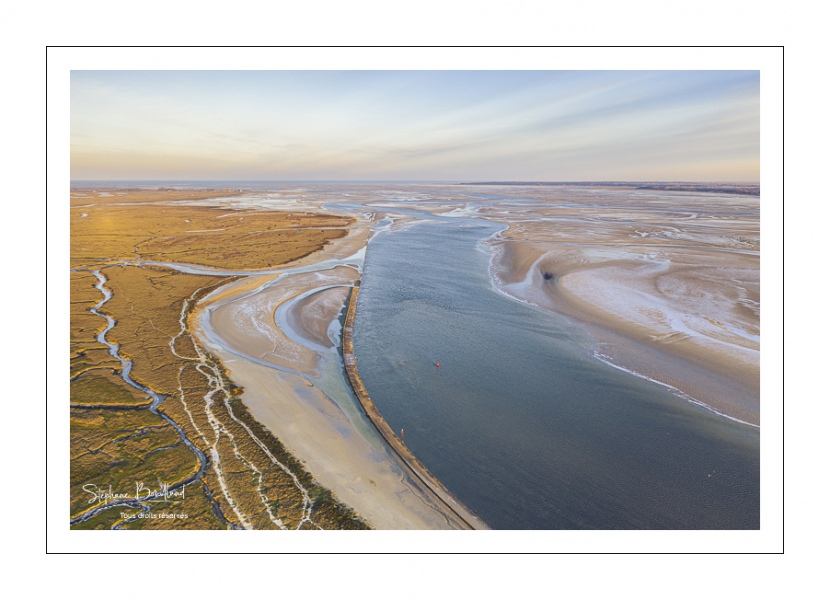
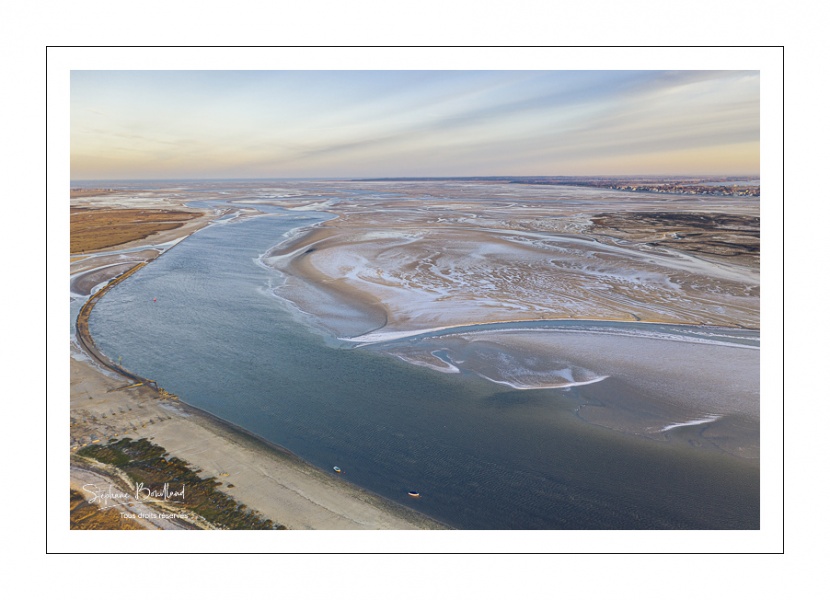
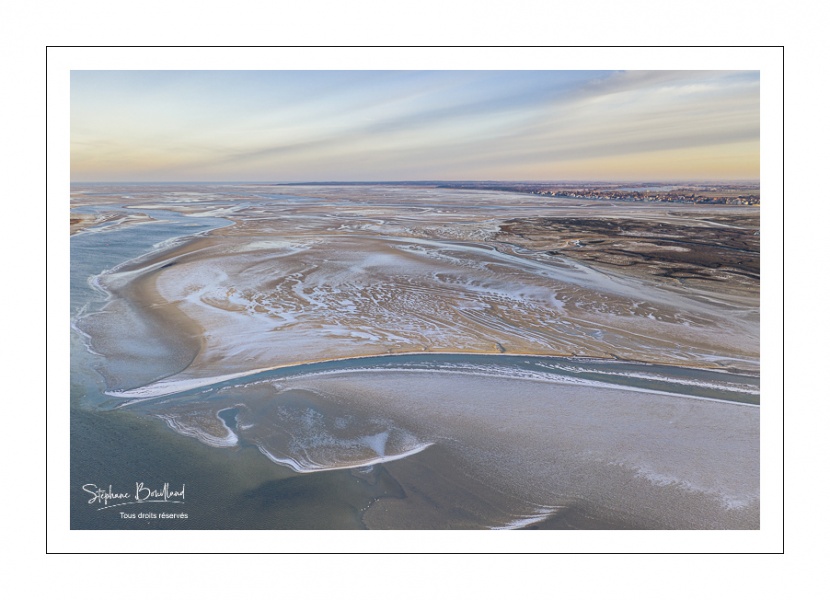
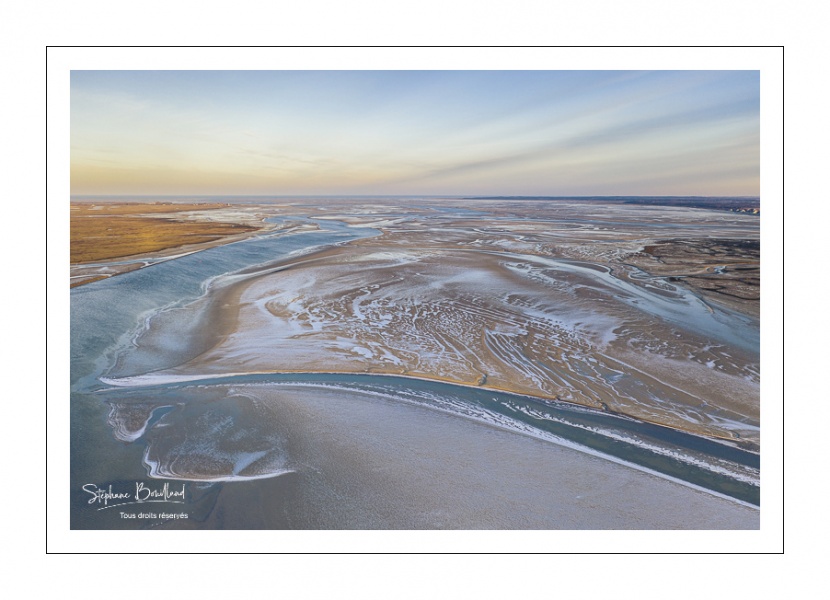
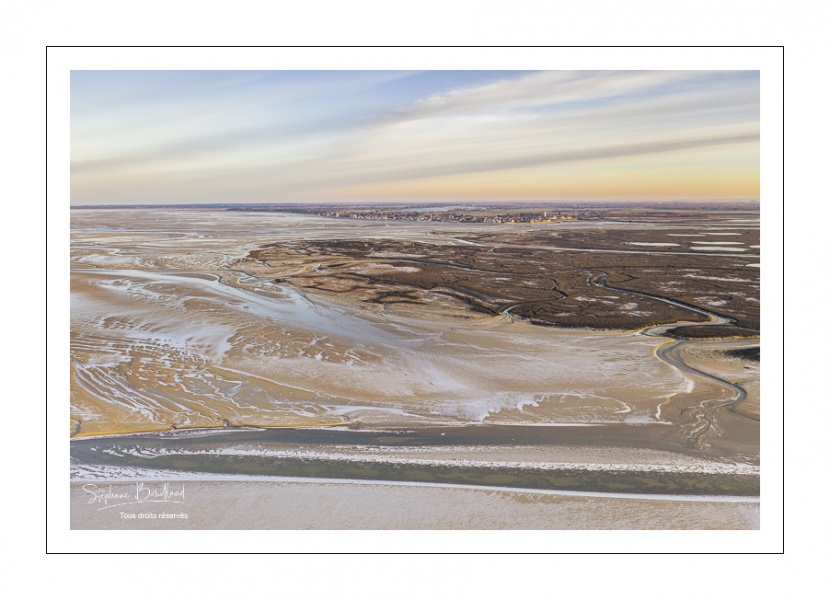
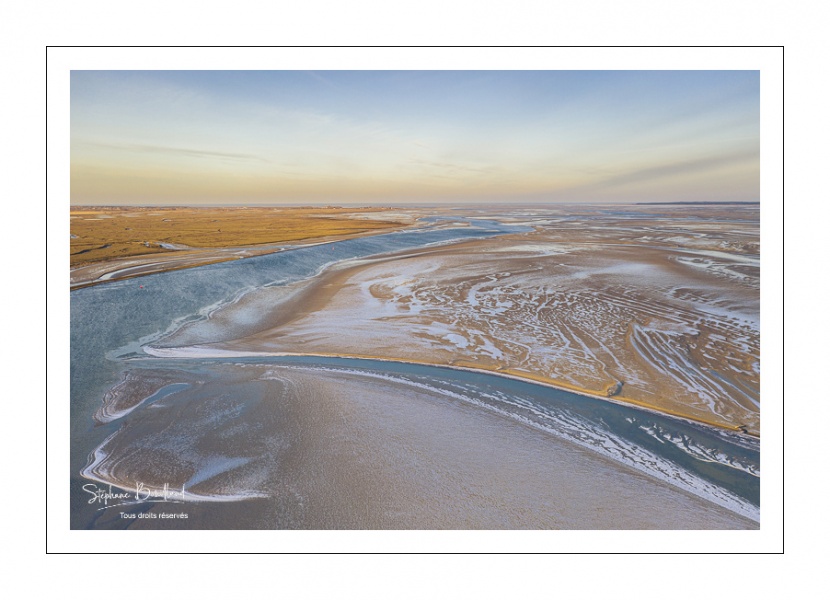
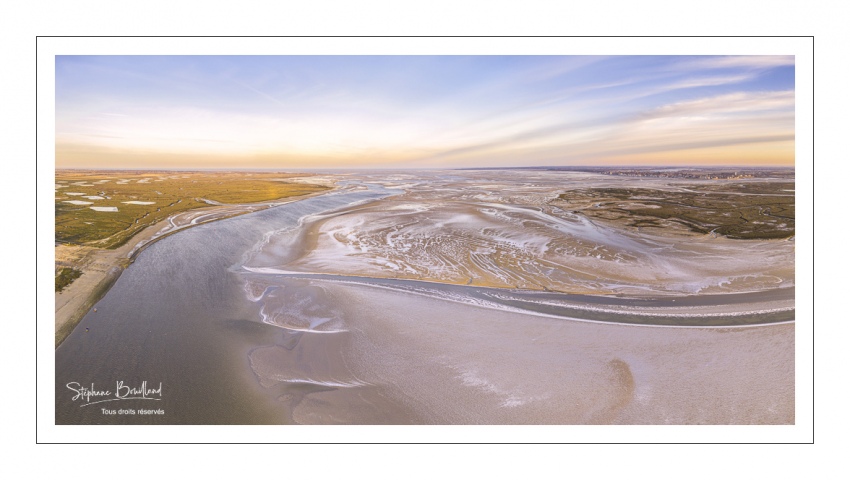
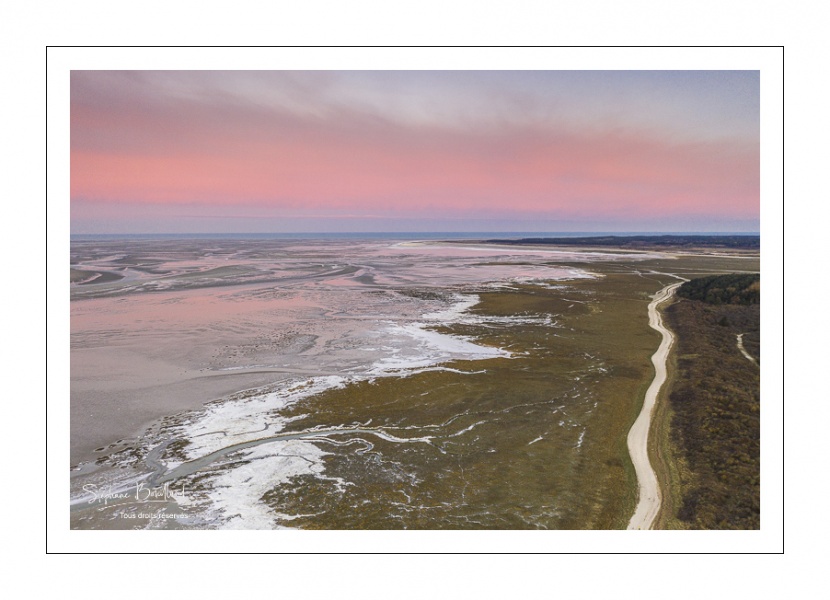
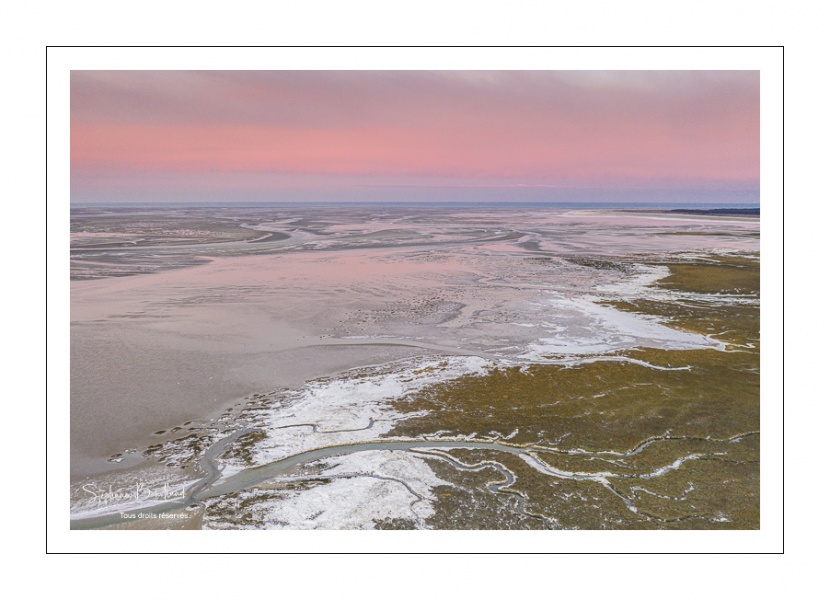
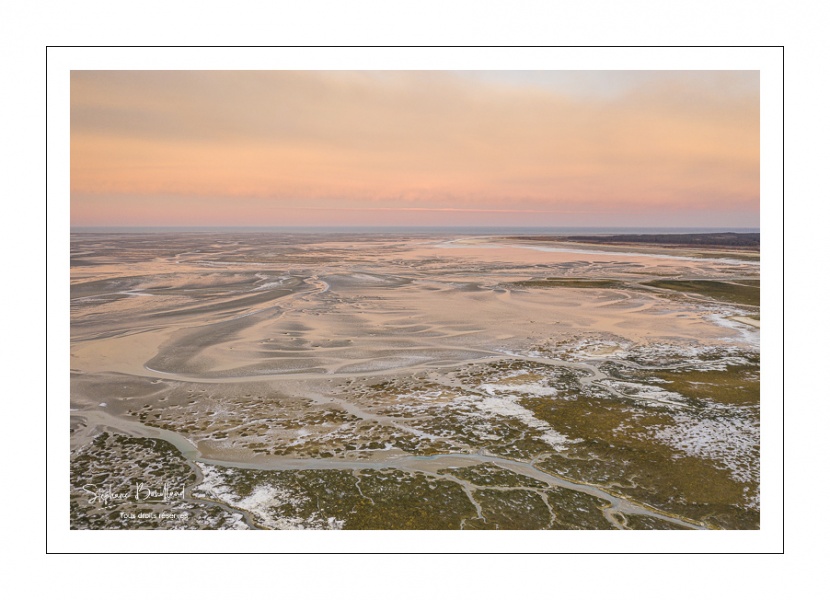
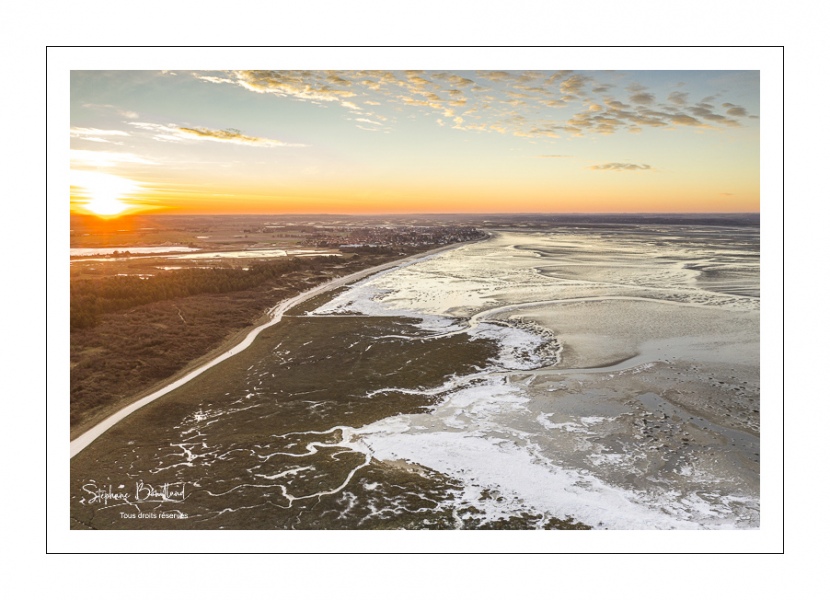
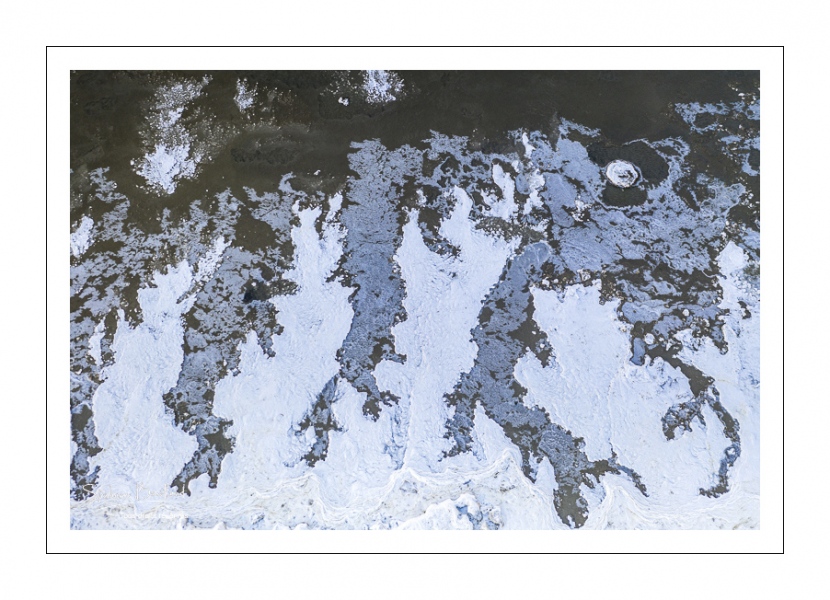
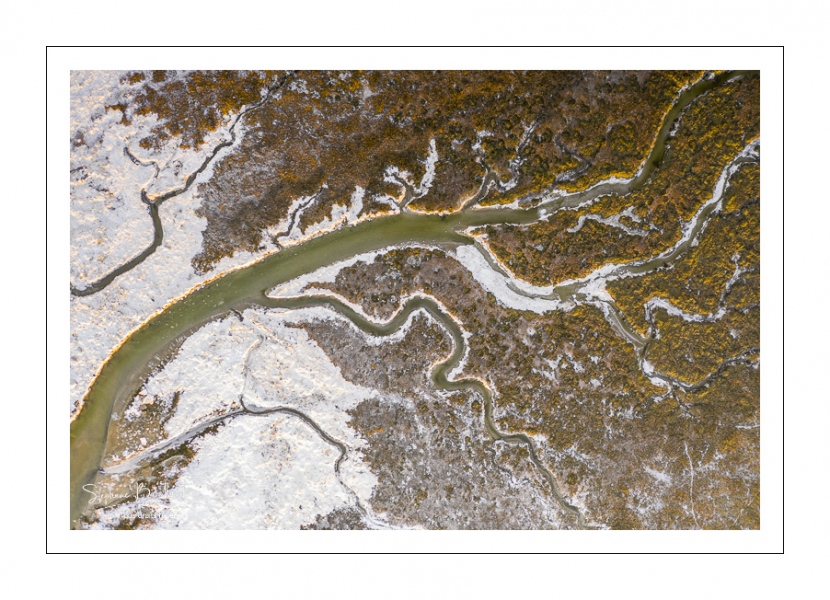
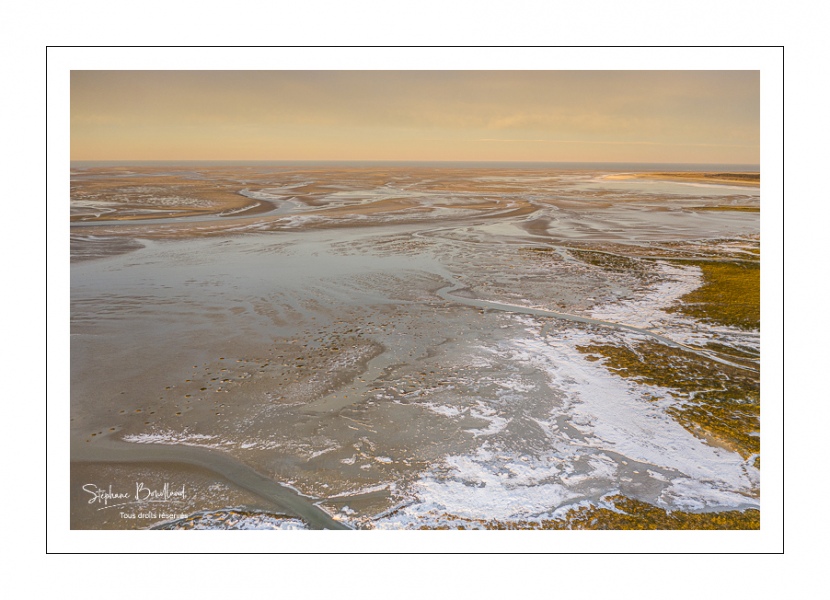
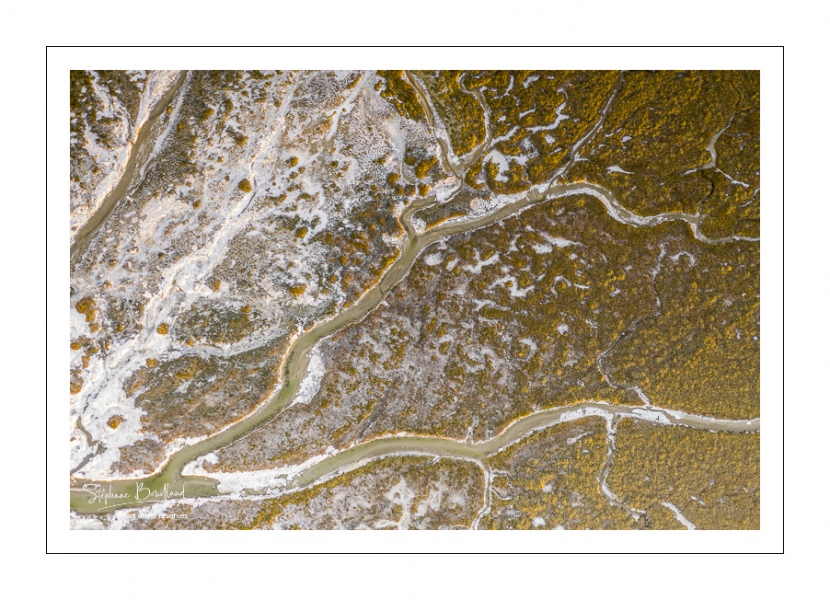
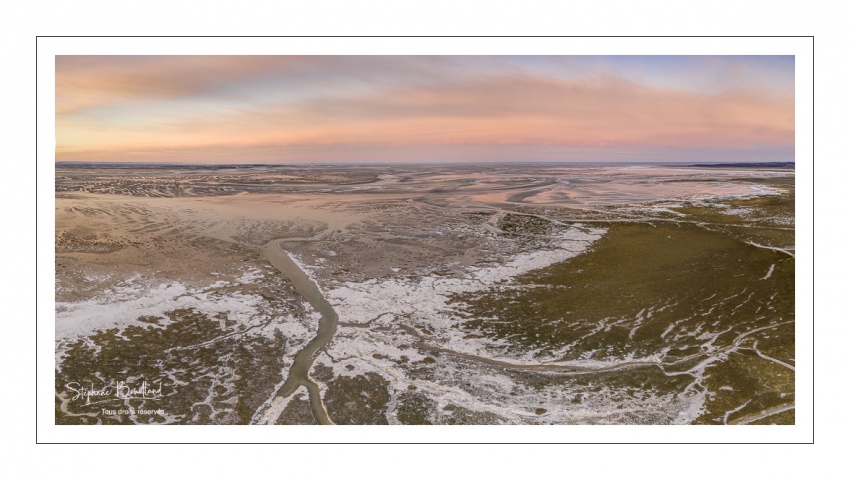
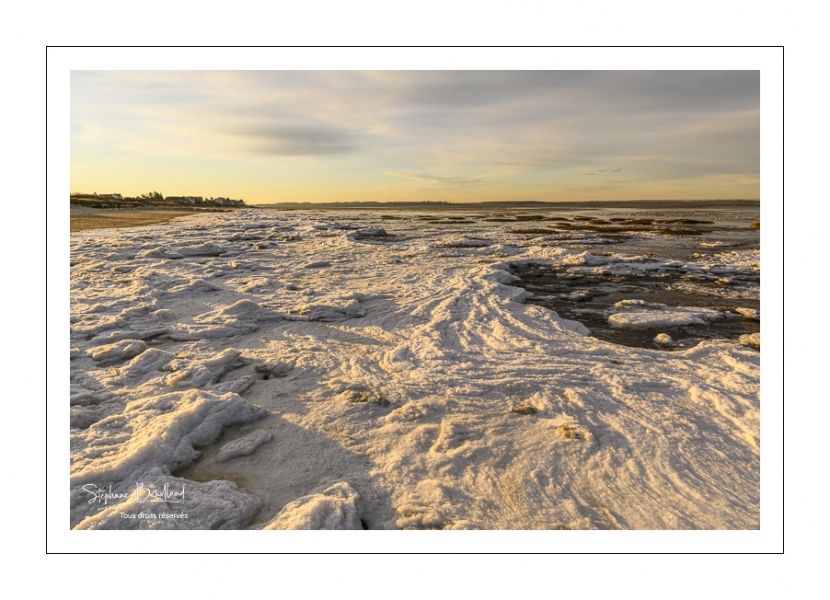
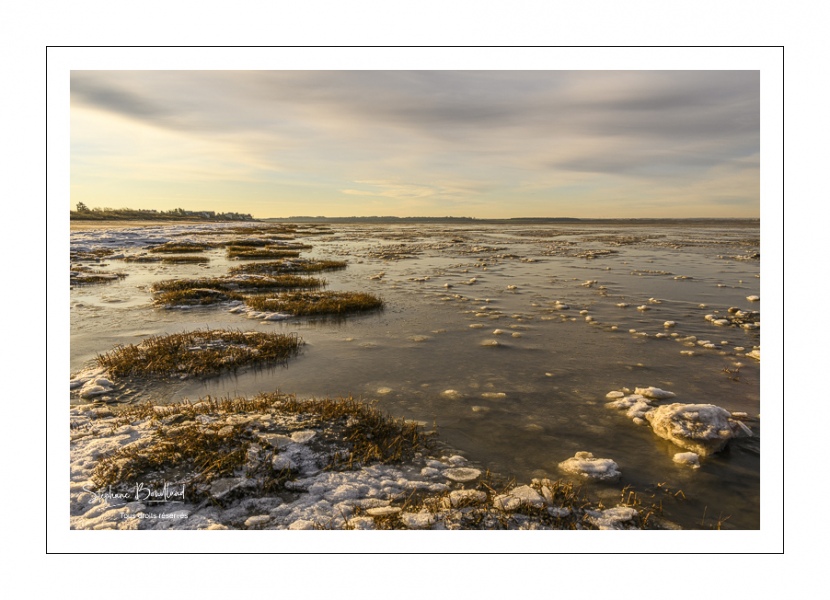
In February 2021, a cold spell hit the Baie de Somme region and last more than a week. This is the opportunity to take some pictures! After several days of dreariness the light finally arrives with the good weather. And as happiness never comes alone, the low tide takes place in the middle of the night. Therefore, in the early morning, the bay is empty and the ice has settled a little bit everywhere along the chanels and on the sandbanks. Around Saint-Valery-sur-Somme, the usual landscapes are transformed, and each relief is underlined with white. The meanders of the chanels take on a whole new dimension, and each rib in the sandbanks becomes visible from the sky thanks to the drone. Cape Hornu in particular offers magnificent views with its immense sandbanks, while the sky becomes colored thanks to the sunrise. On the other hand, by -8°C, and with the headwind, the batteries are exhausted very quickly and getting back the drone proves to be perilous... After one or two frights, I nevertheless manage to repatriate it and get back in the car, completely refrigerated!
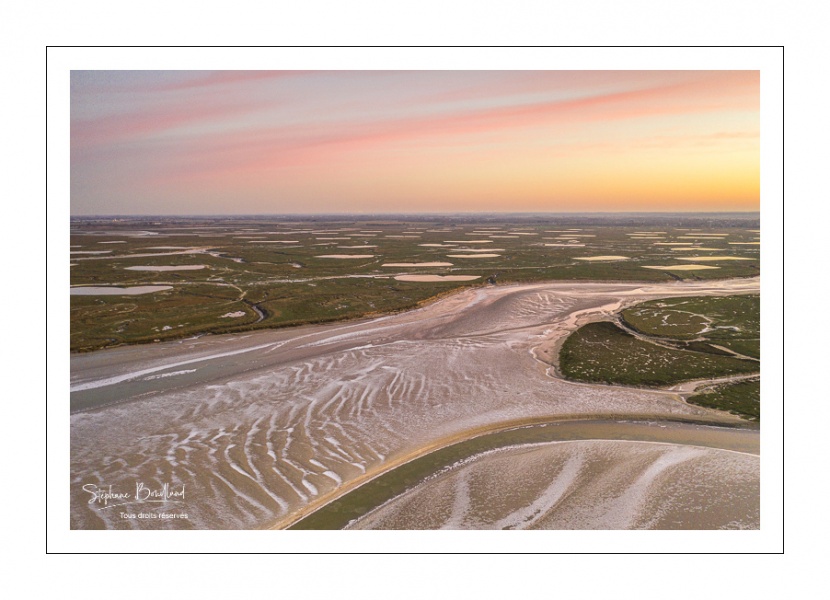



On Le Crotoy beach
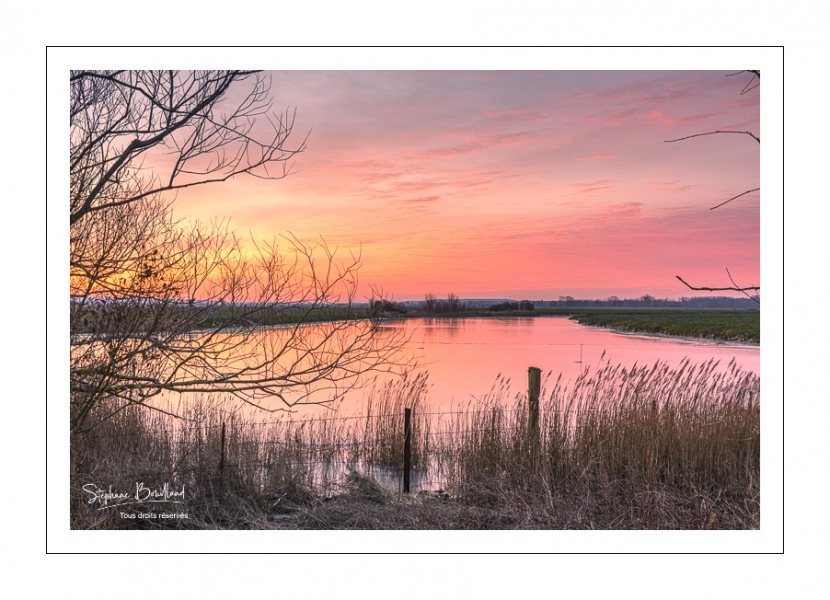
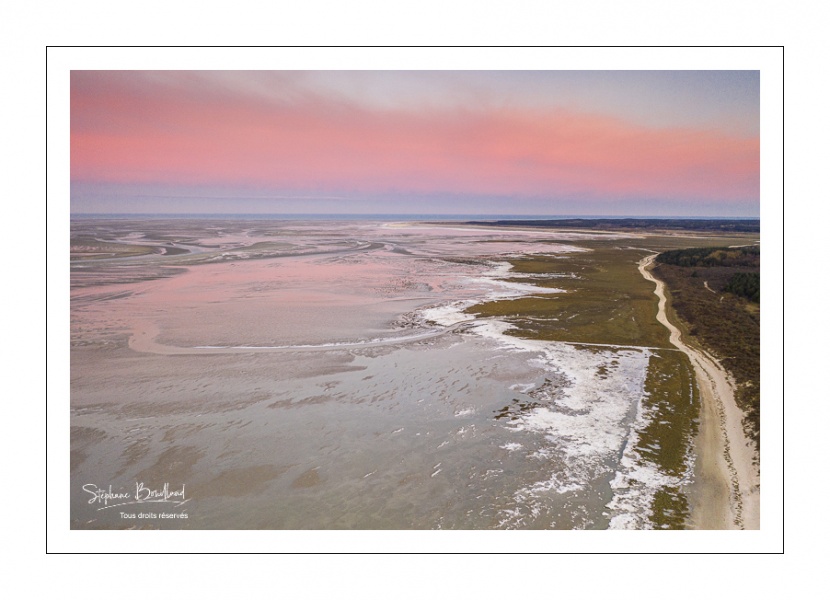
The next day, it is in Le Crotoy, on the other side of the Baie de Somme, that my steps guide me. At dawn, the polders are superb under the glowing red sky.
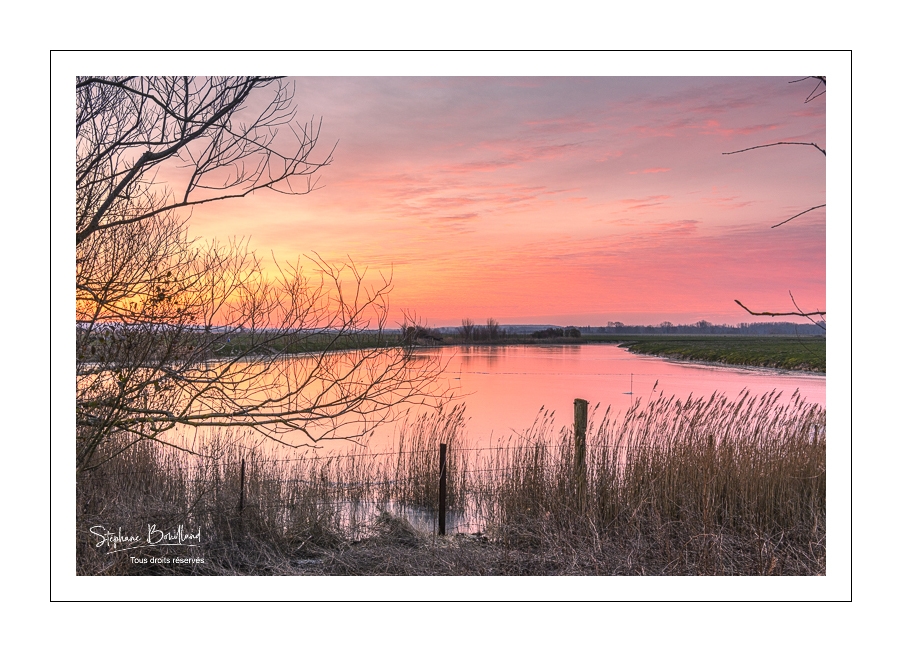
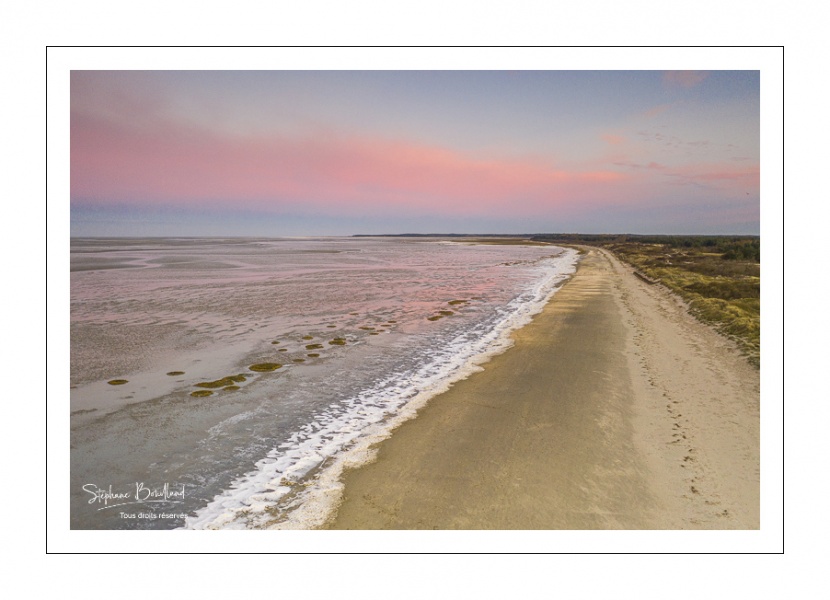
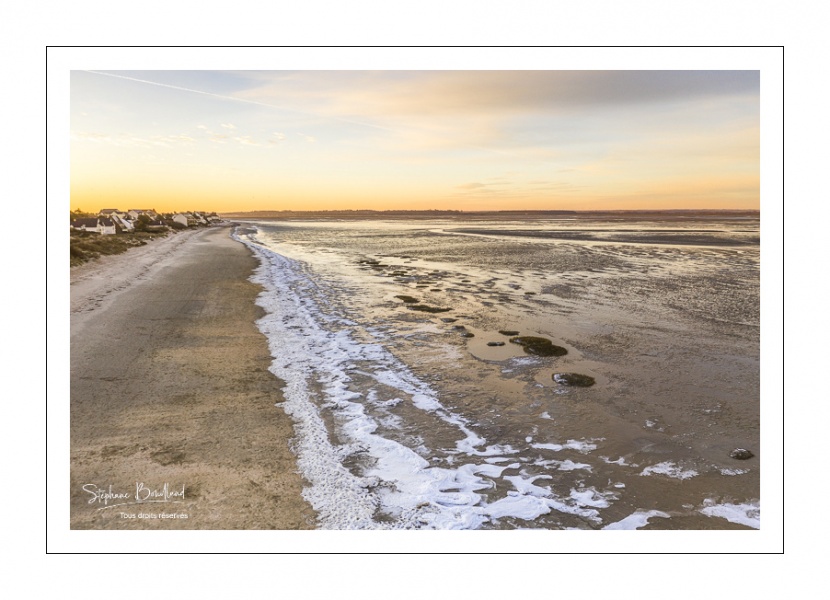
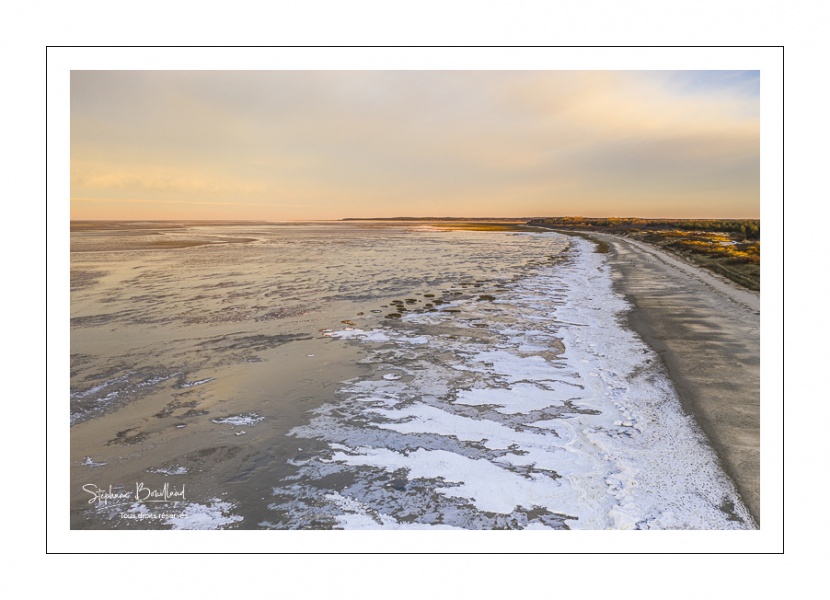
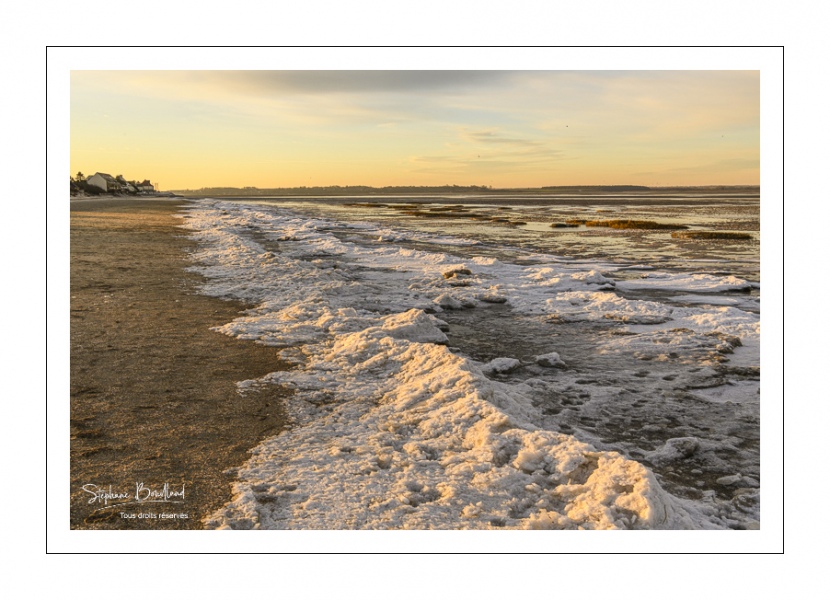
On the beach of Le Crotoy also the rising sun tints the sky with pink and I take advantage of this moment to make images with the drone. The temptation is strong to send it far away to explore these landscapes dressed in white... This time the drone lands 300 meters away from me in emergency, battery flat because of the cold. Fortunately, I had time to bring it back above the dry land and I could locate its landing point, I get out of it without breaking...
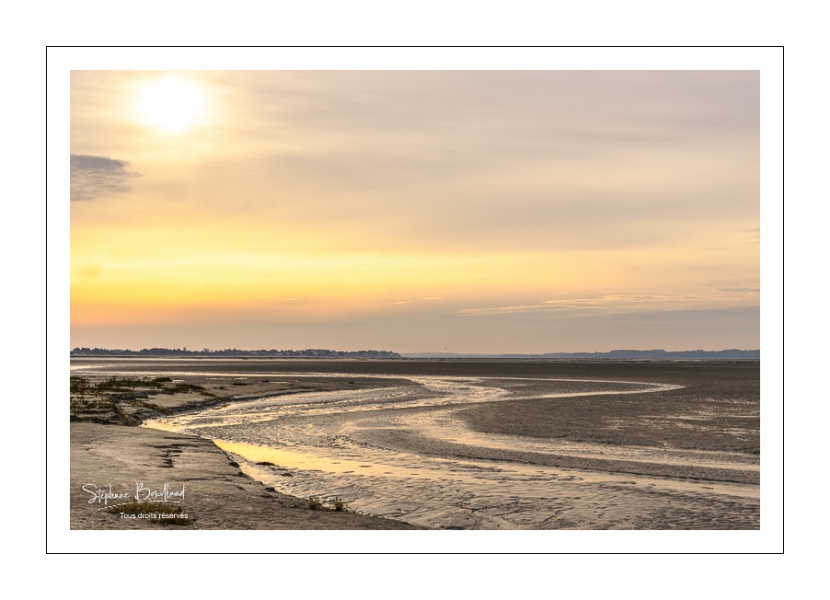
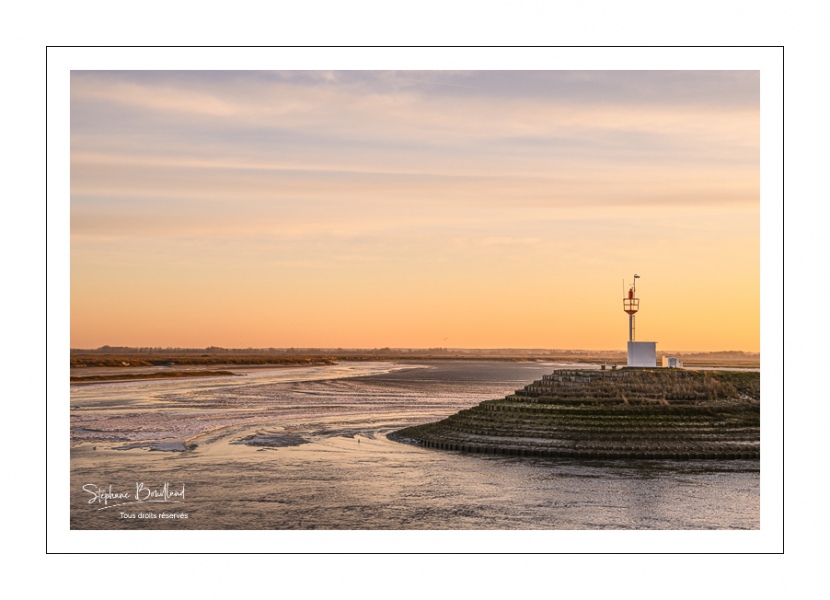
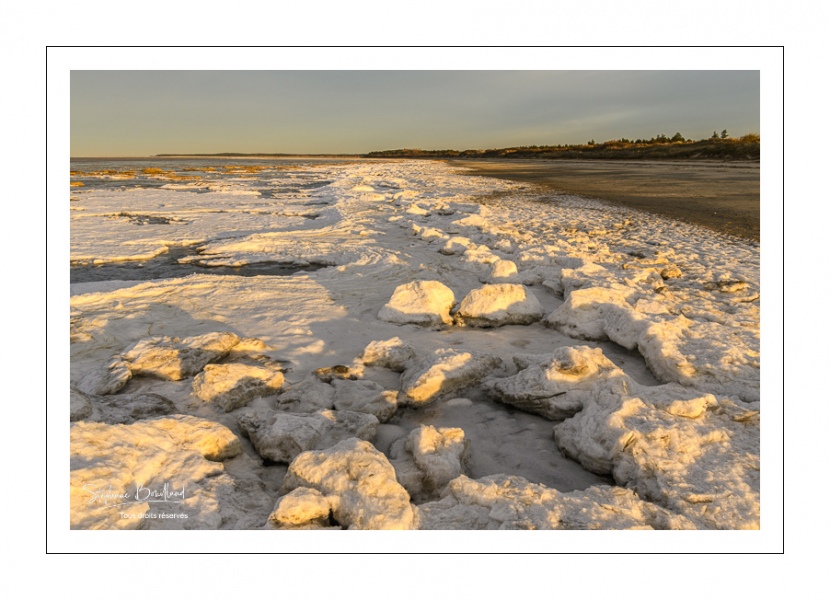
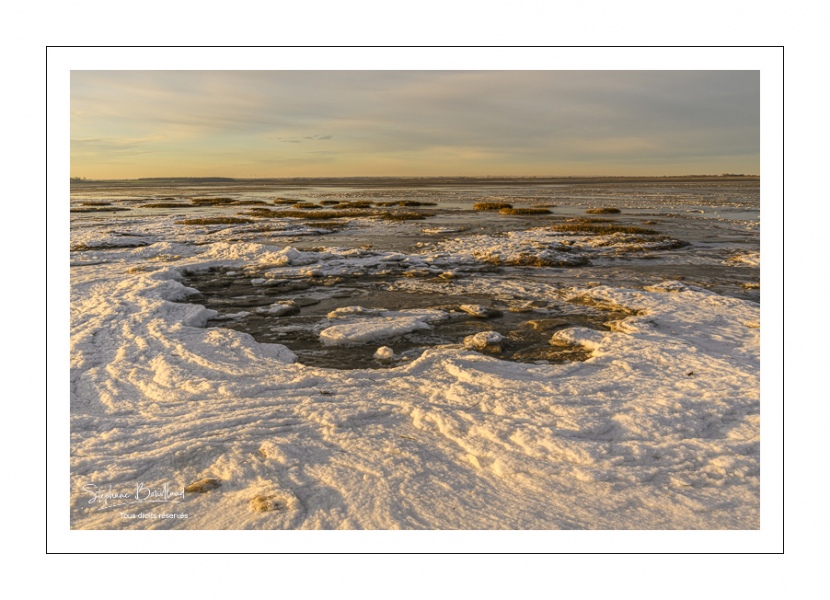
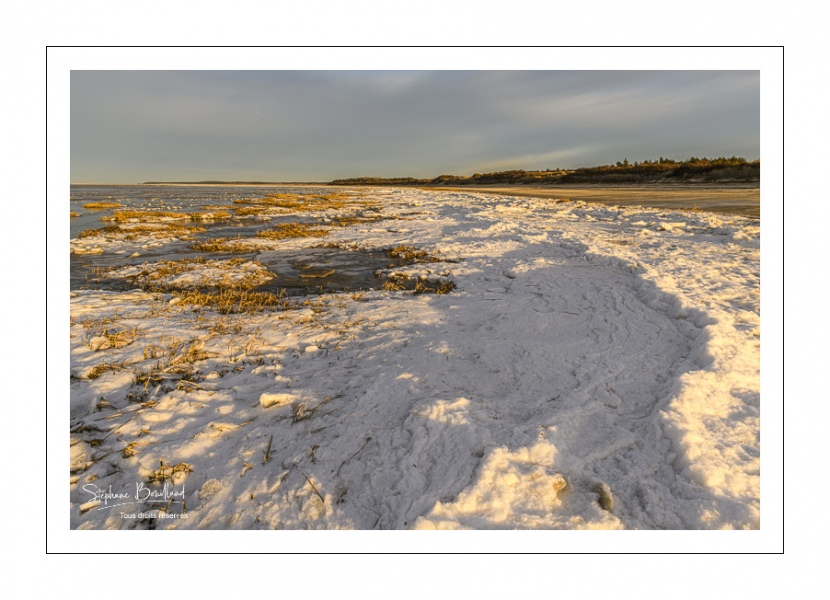
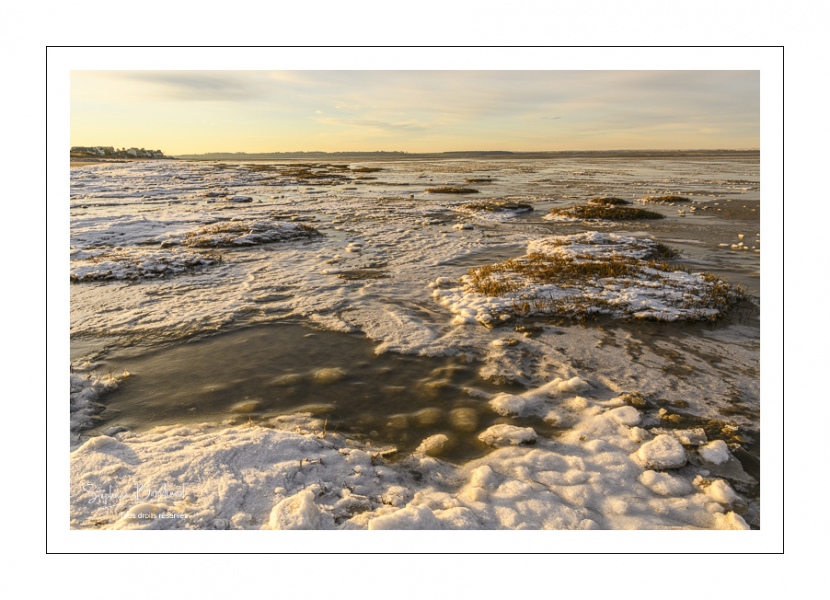
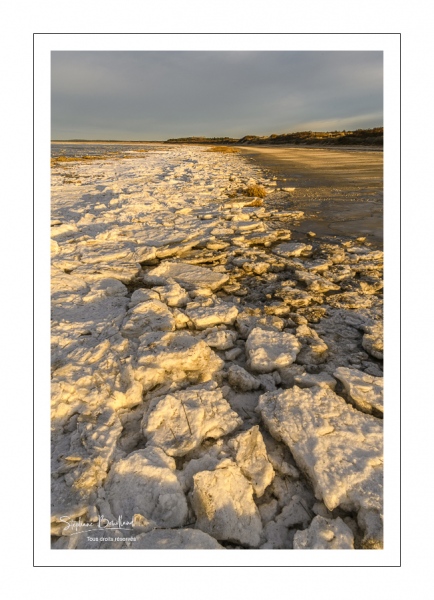
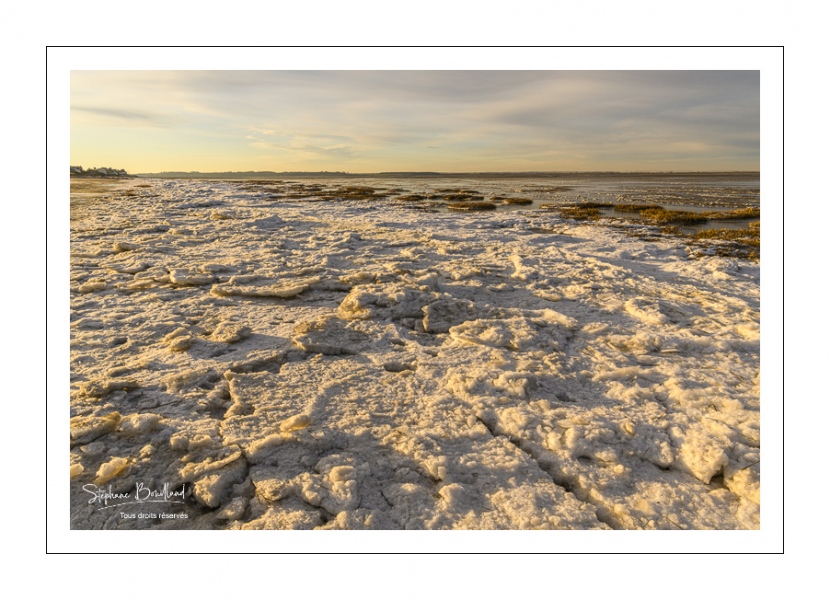
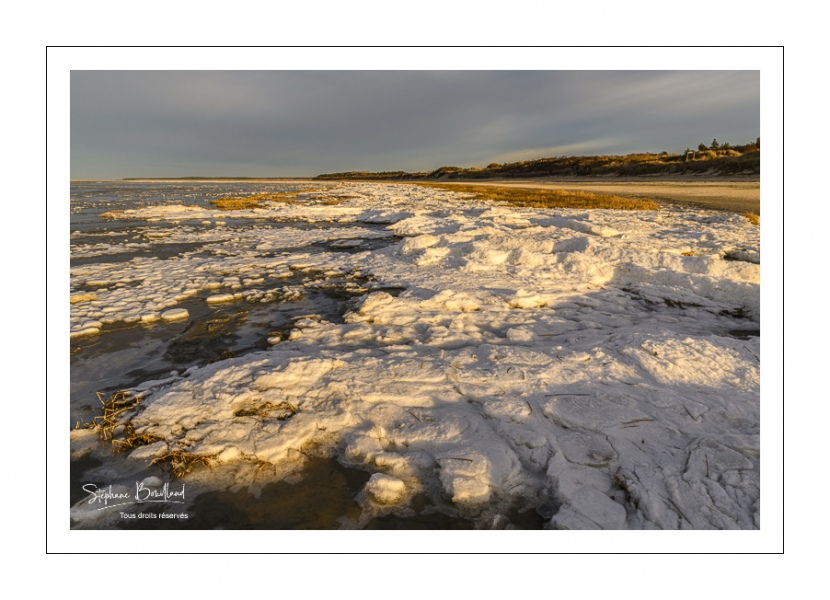
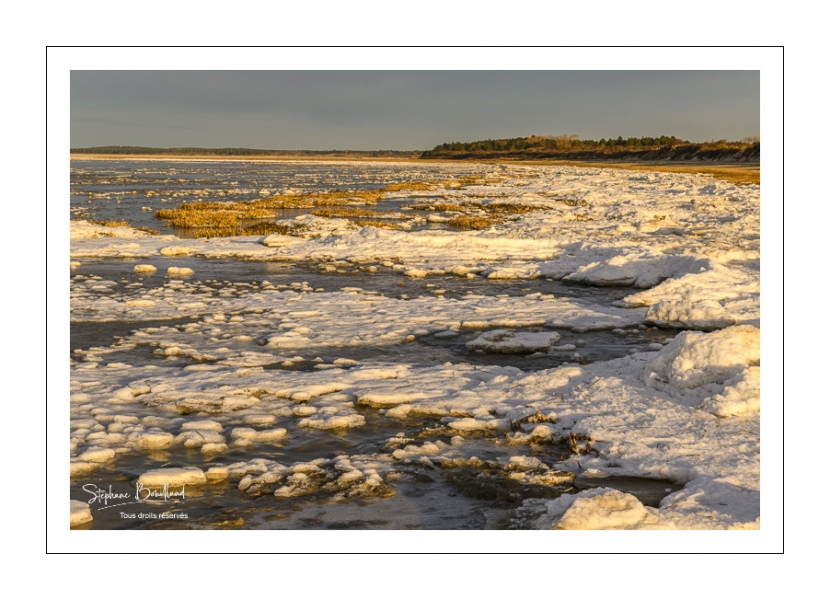
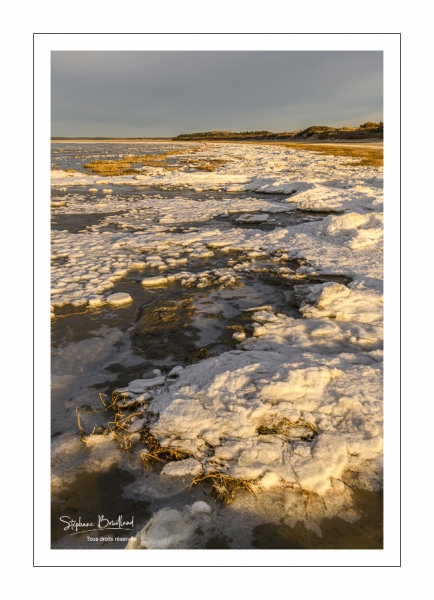
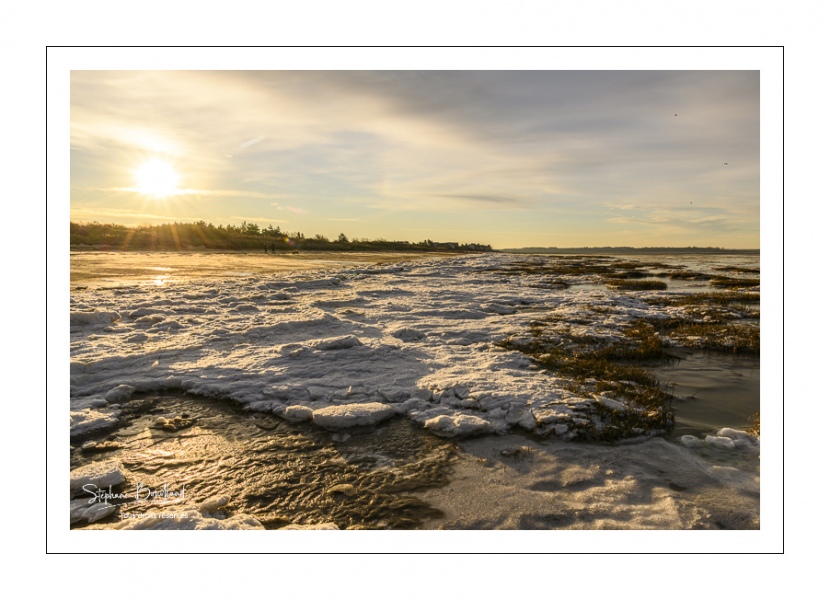
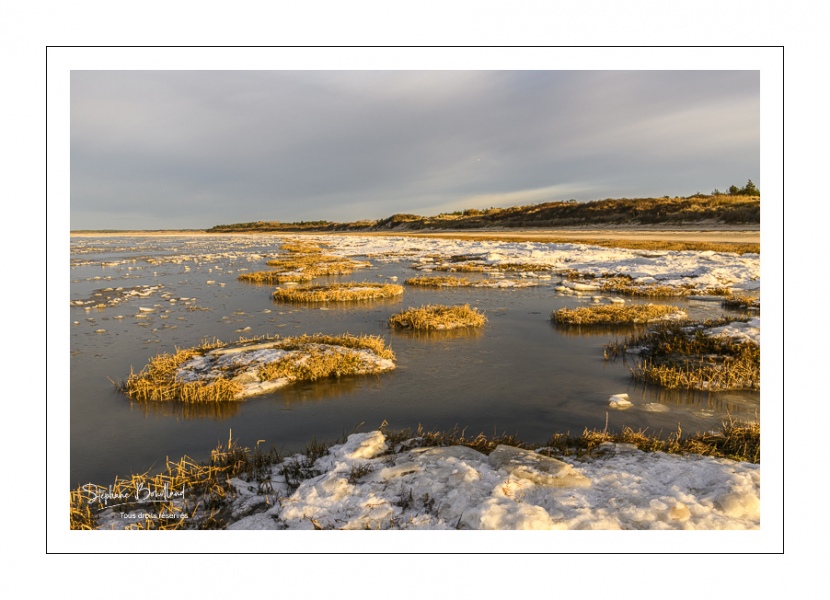
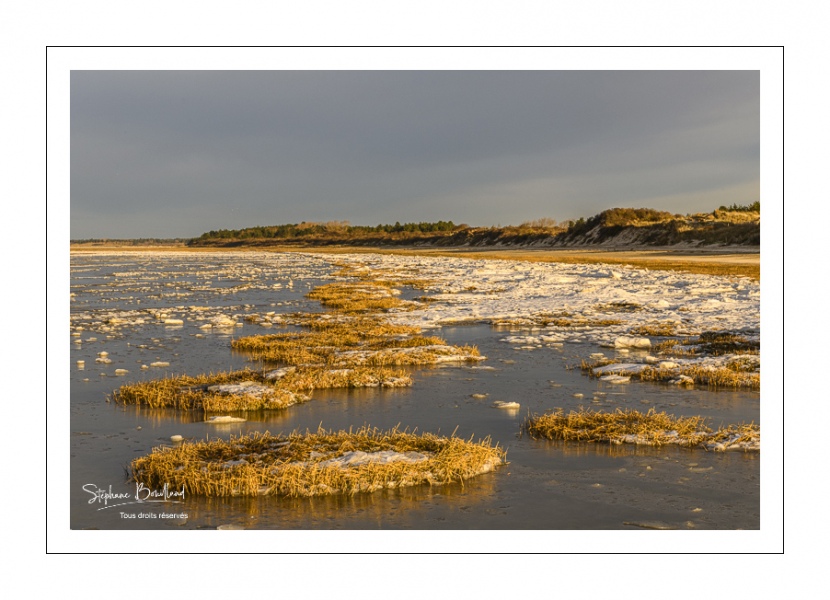
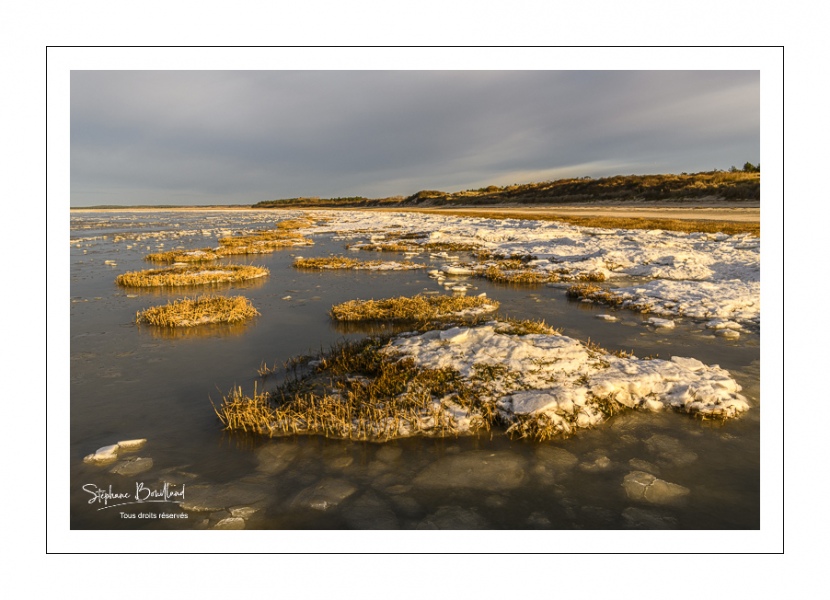
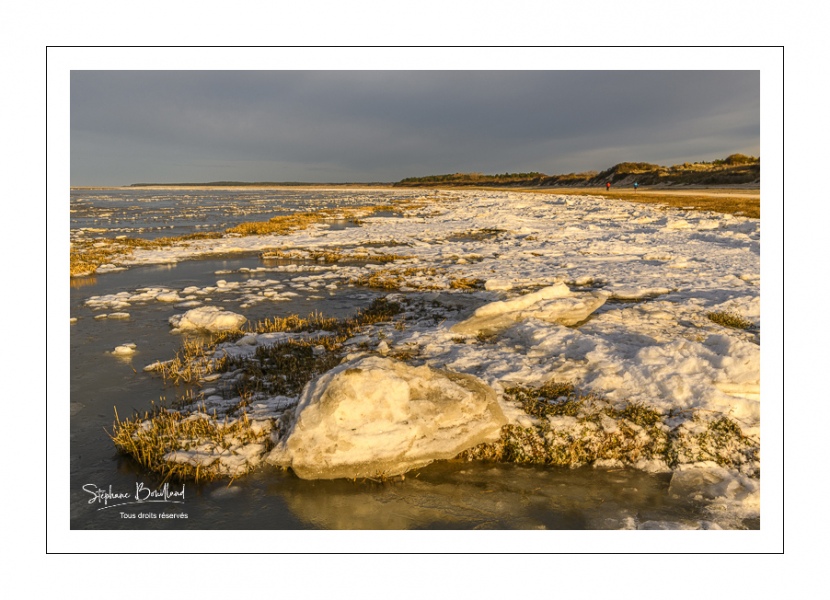
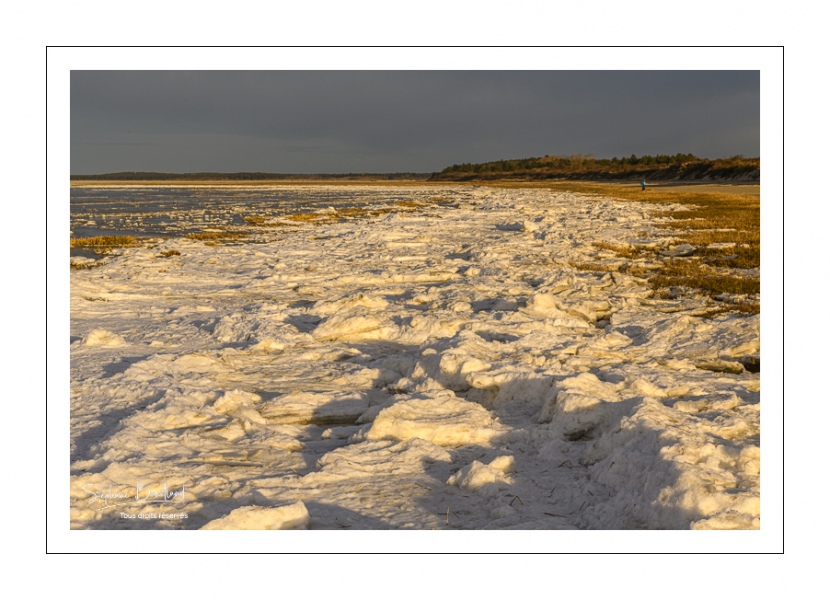
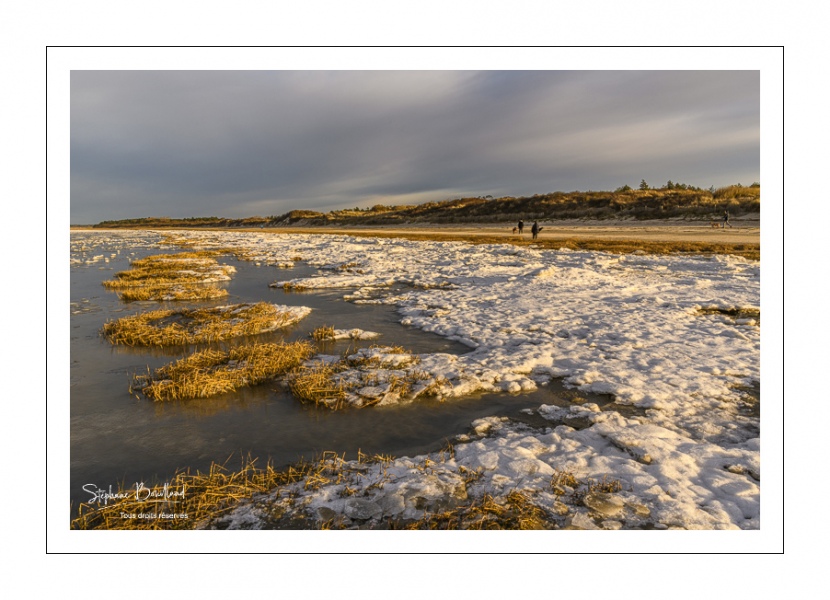
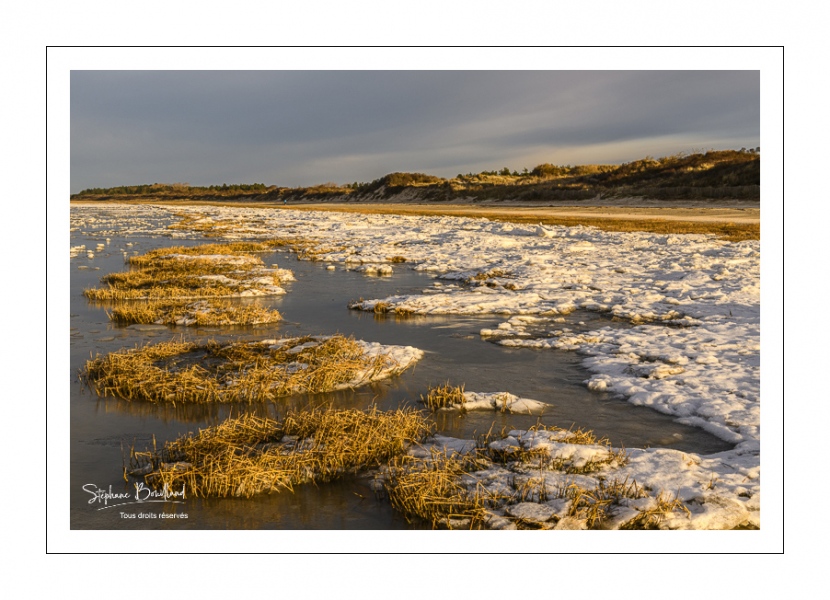
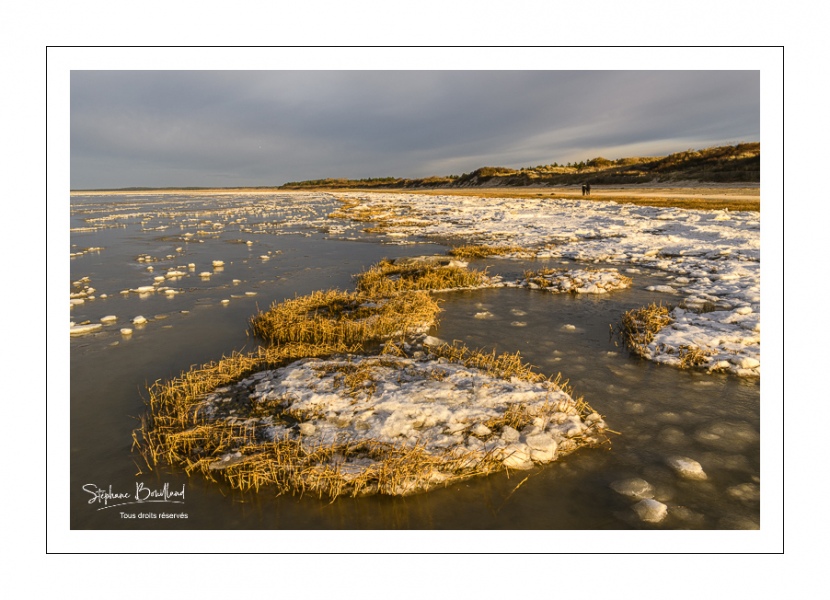
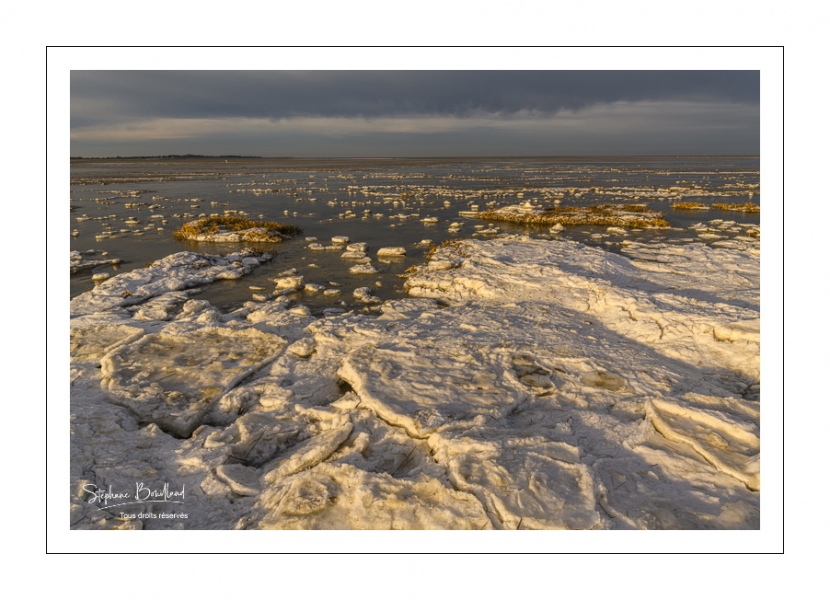
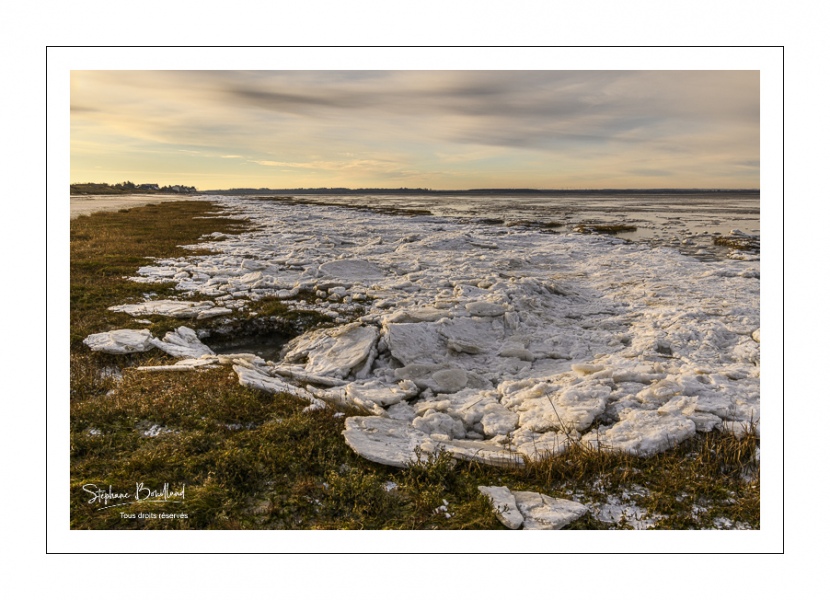
On the beach, the tide deposited a thick layer of ice over a few meters wide ... It is our "ice pack" to us! This time it is with the camera that I capture the scene, while a beautiful golden light floods the landscape. In the tufts of Townsend's Spartine, the piled up blocks of ice offer pretty compositions for the images. A little further on the beach, a few joggers are arrive, but they are not numerous in this cold!
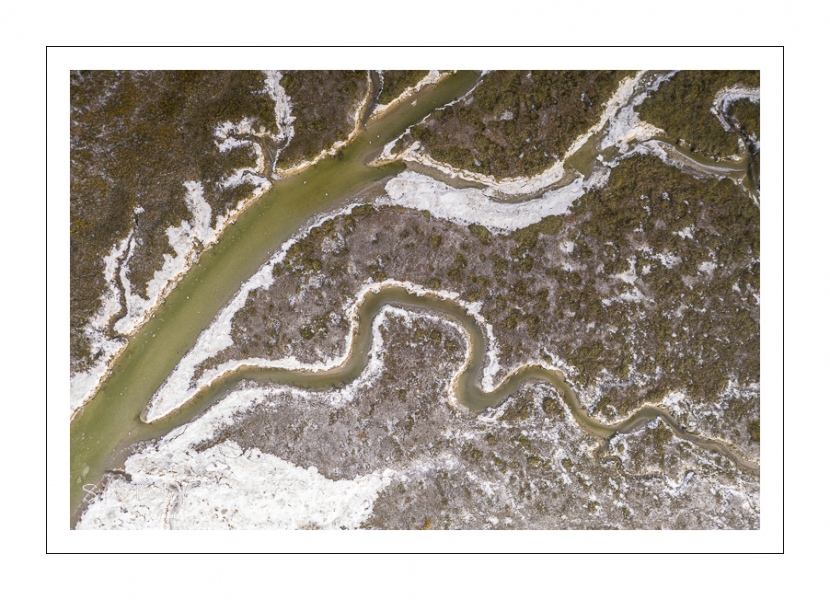
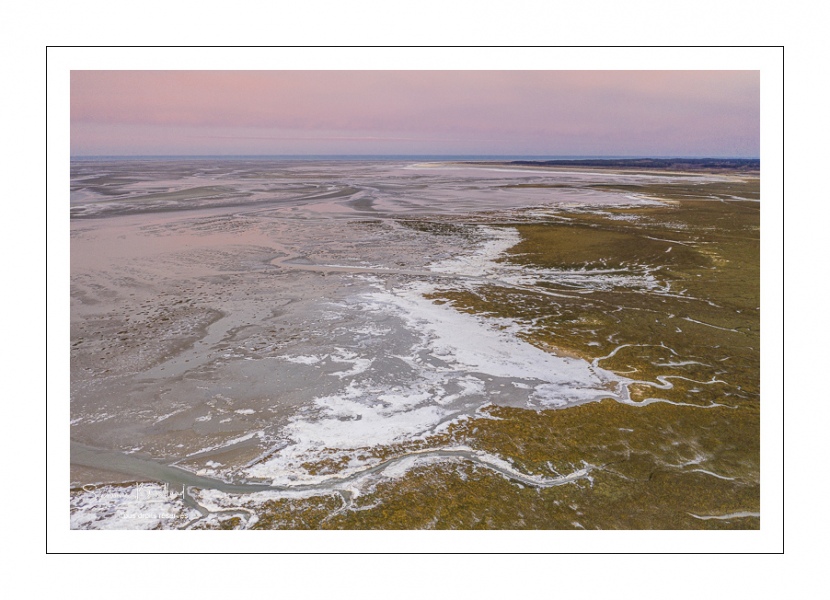
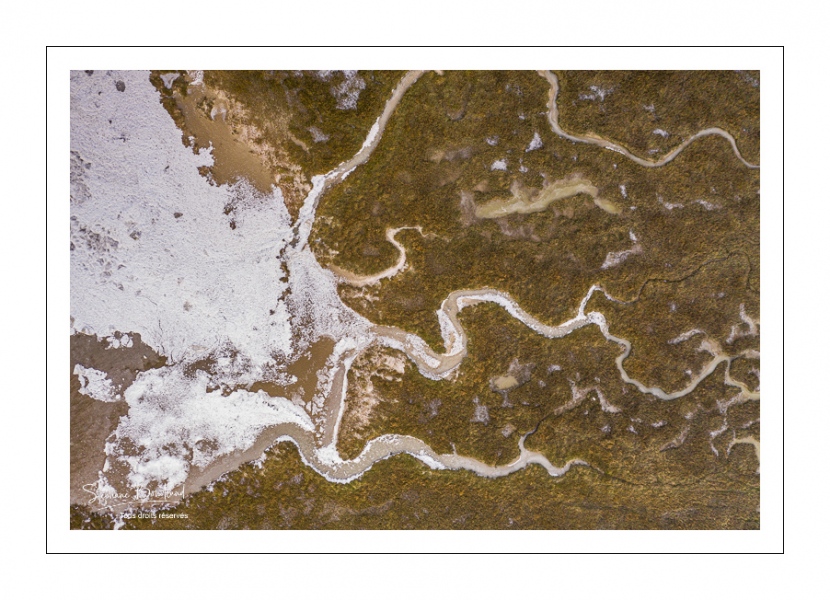
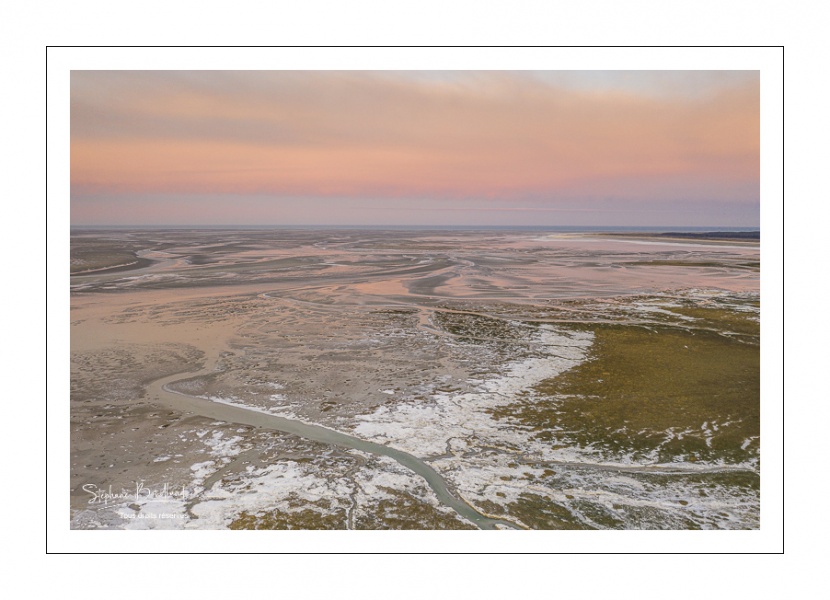






At the Crotoy marsh
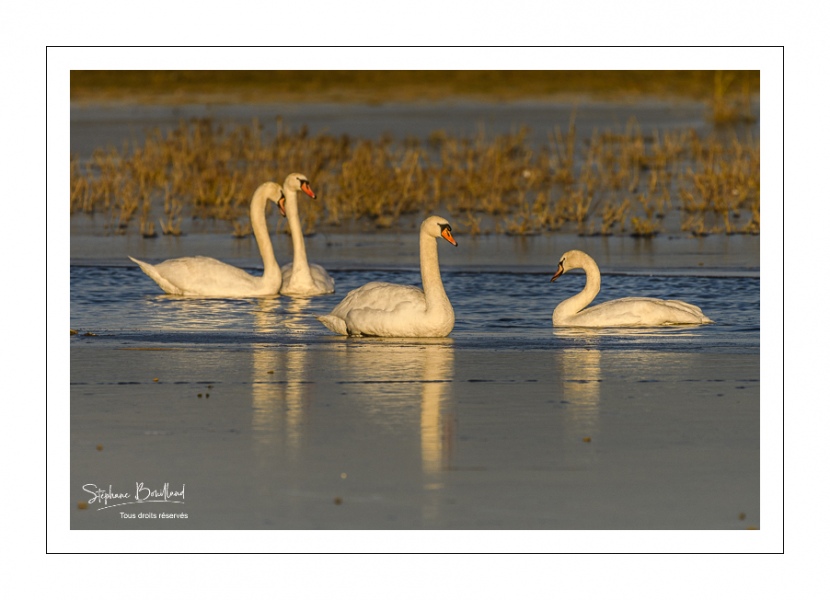
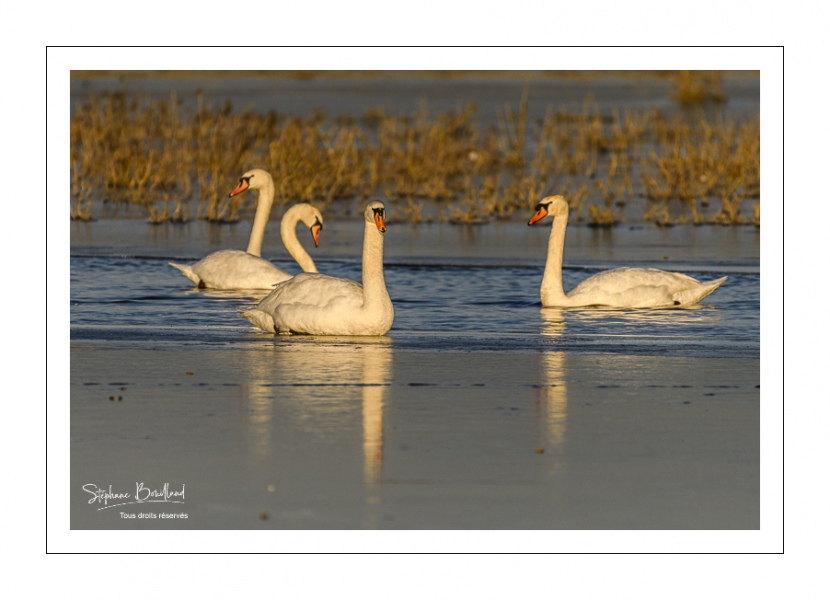
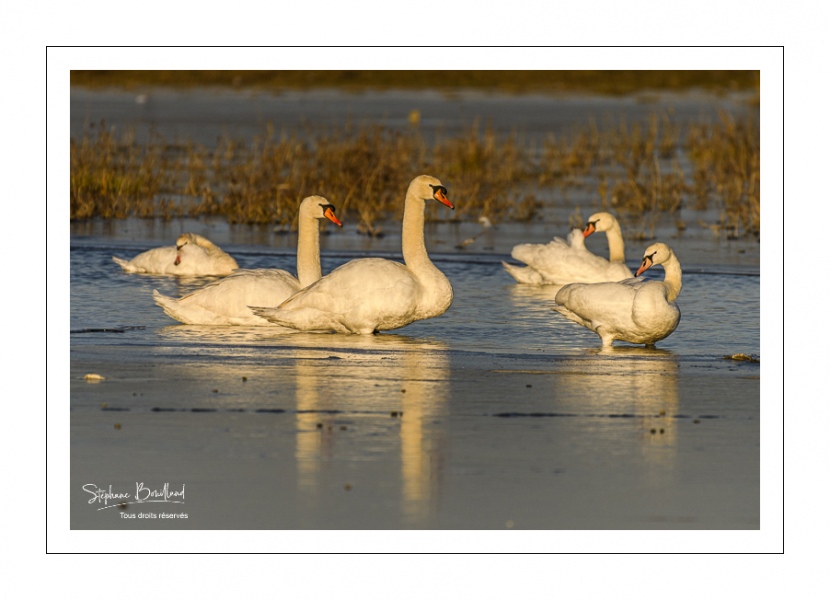
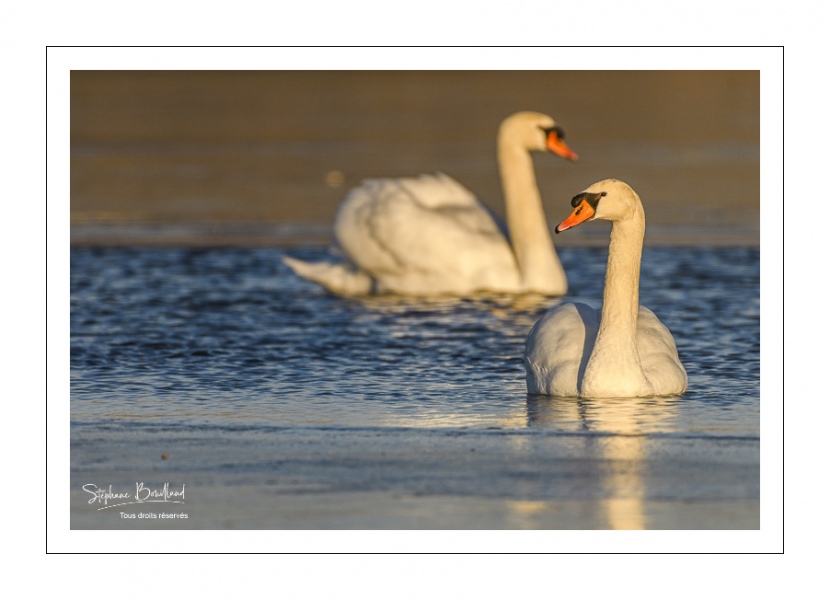
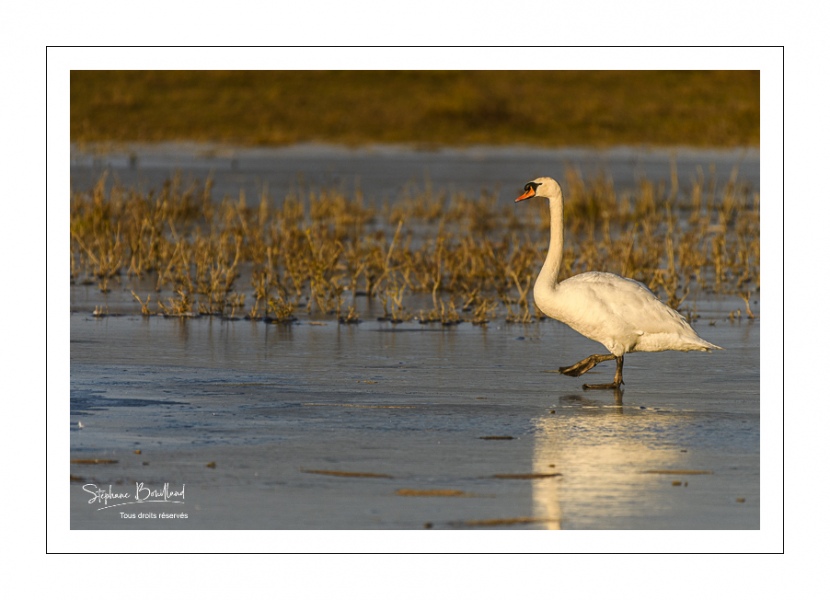
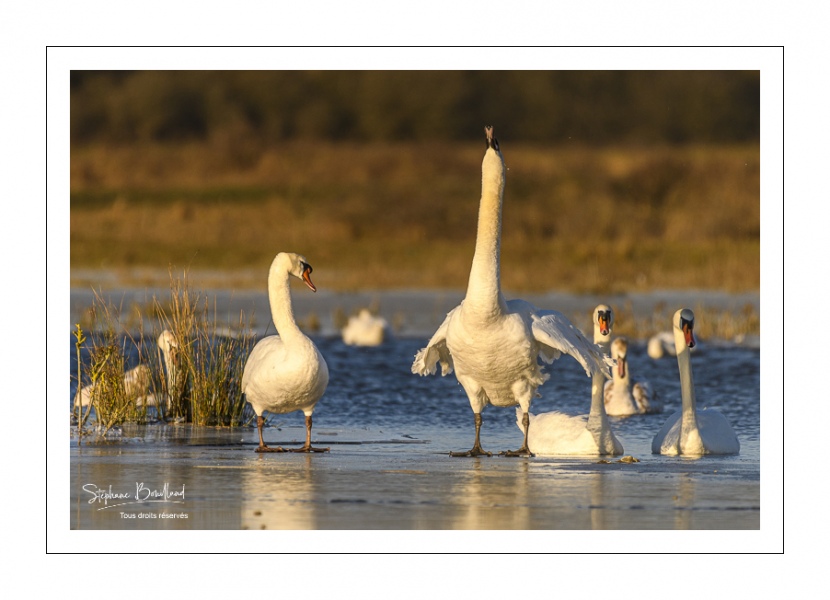
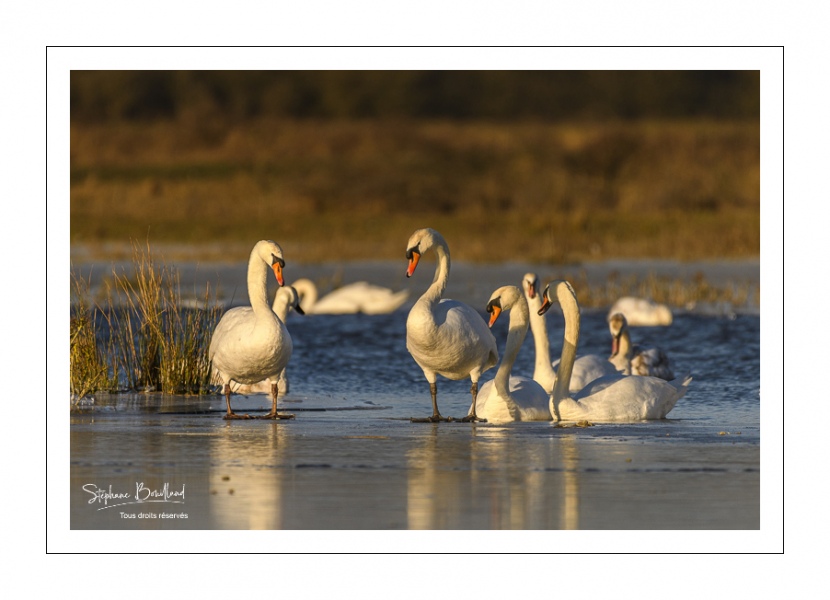
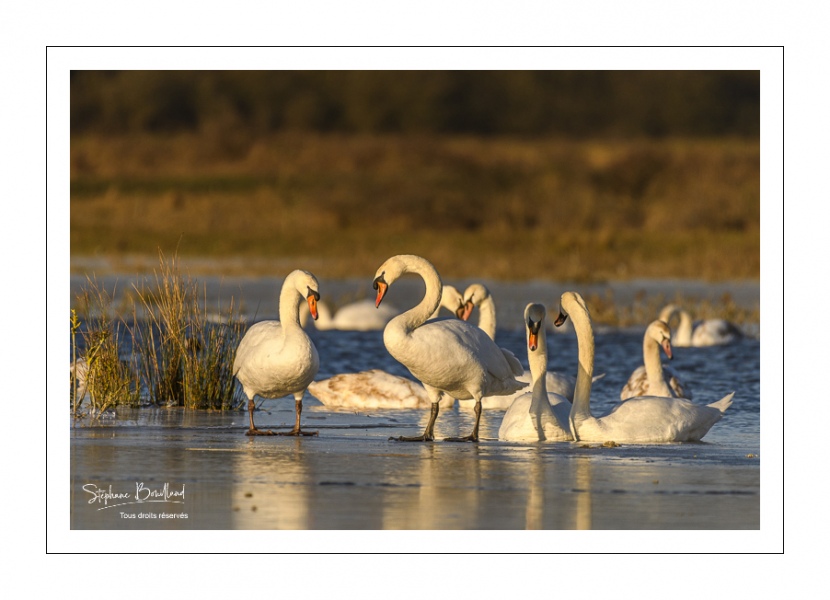
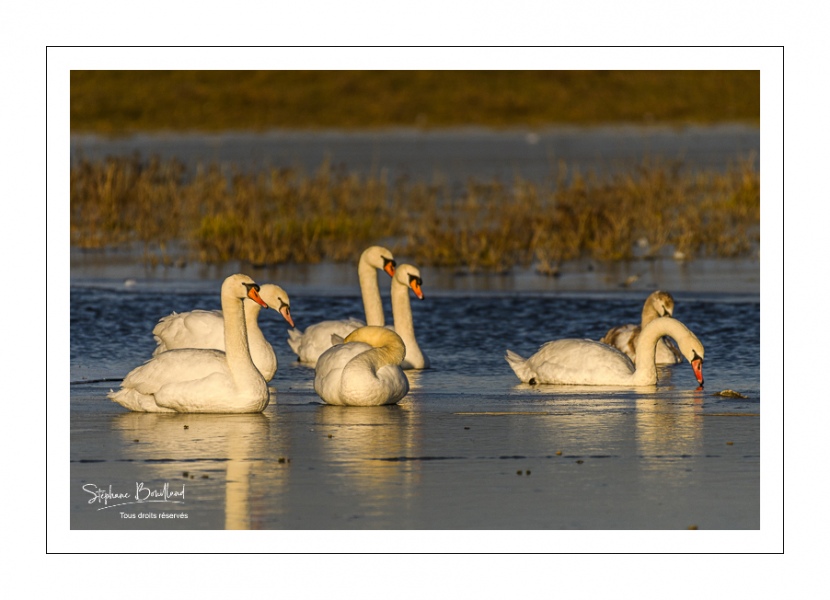
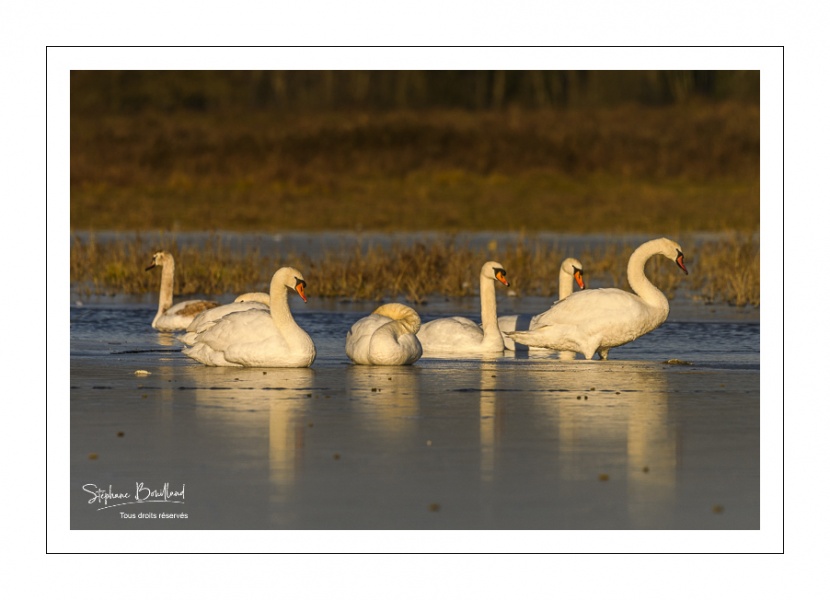
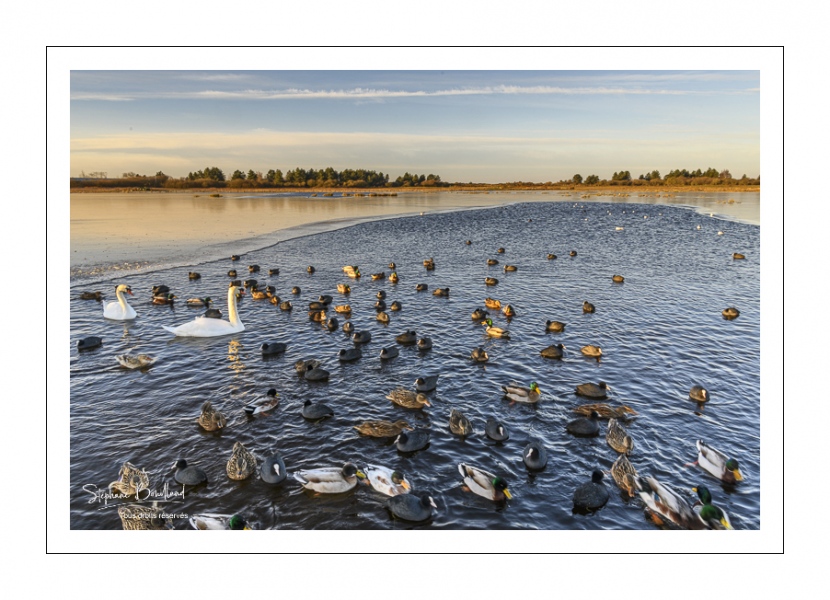
I continue my road towards the Crotoy marsh where the ponds are covered with ice. The ducks, coots and swans crowd on the few stretches still in water. The gait of the swans on the ice is cautious, one can see that it is not their element. On the other hand they are not shy to take a nap on the ice... The beautiful morning light highlights them well on the photos...



With the birds in the nature reserve
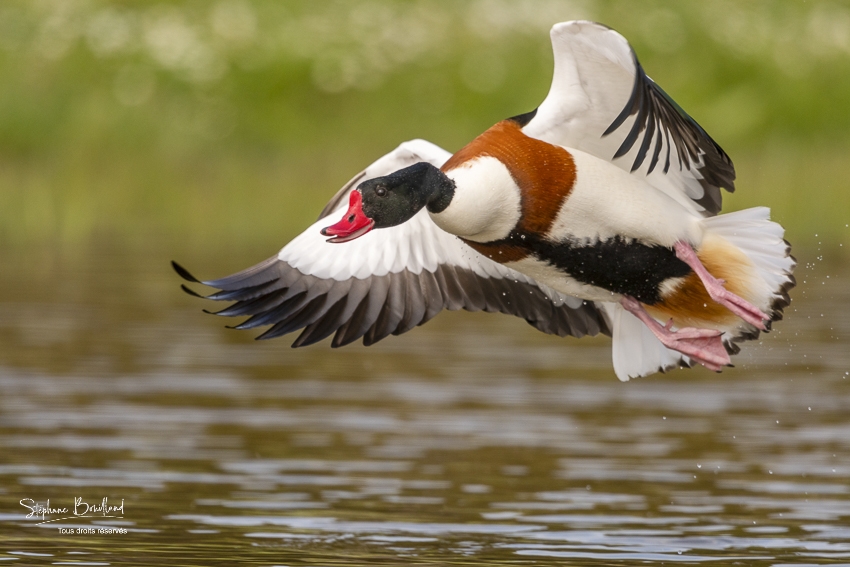
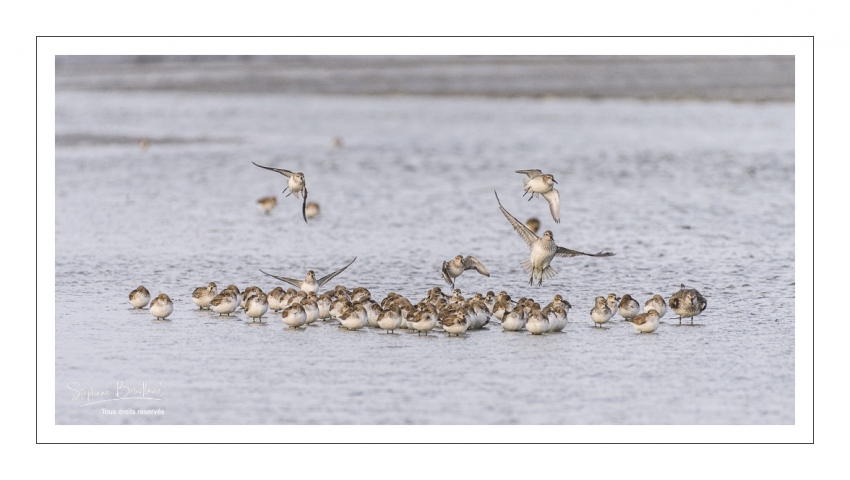
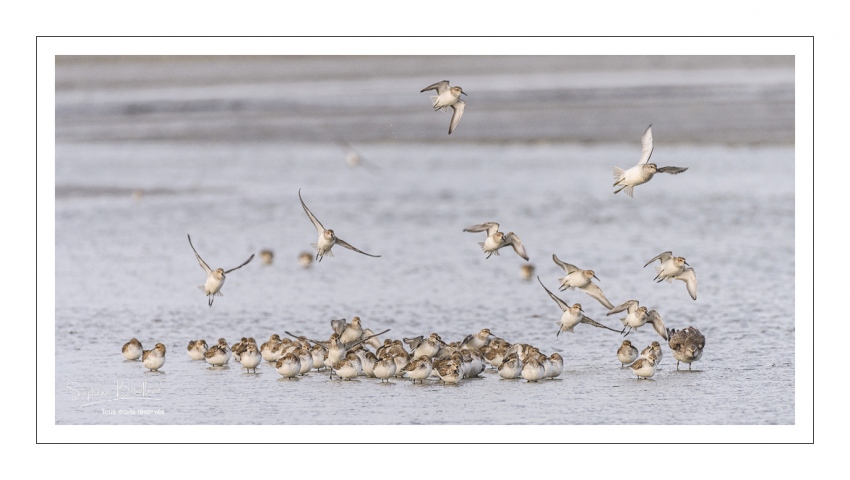
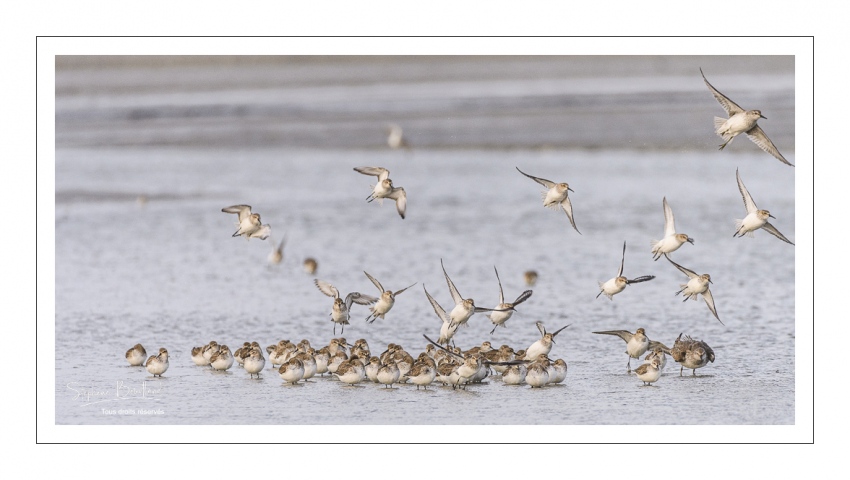
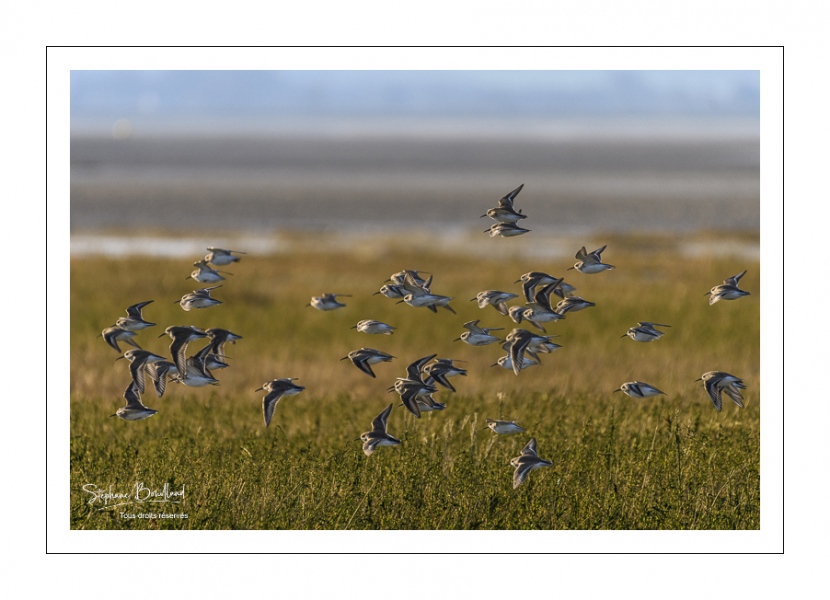
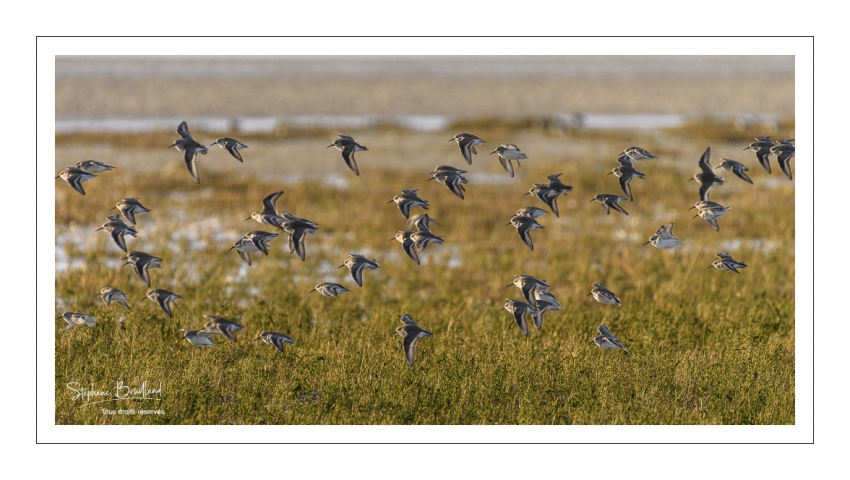
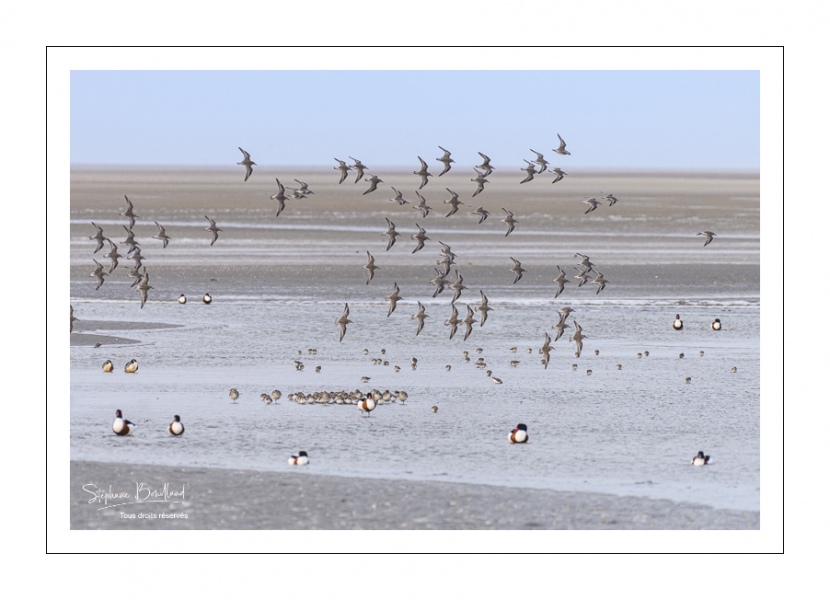
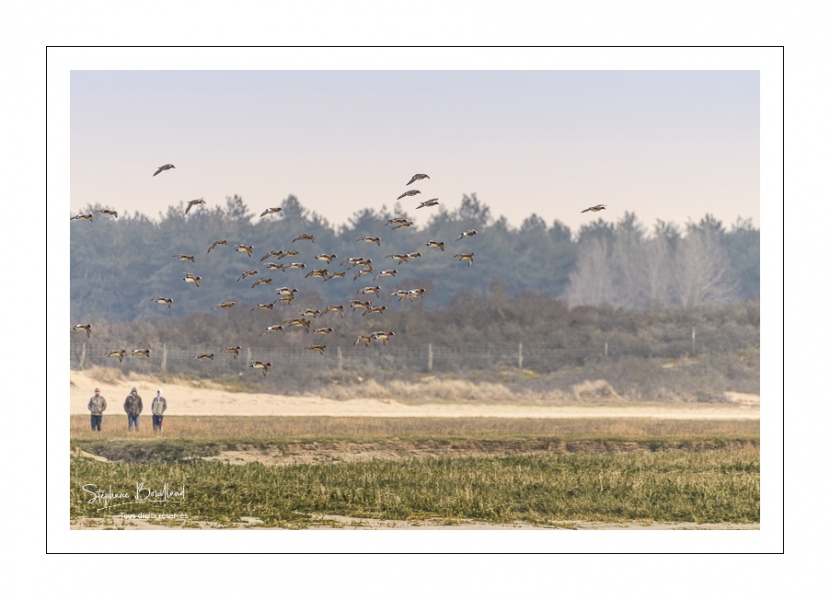
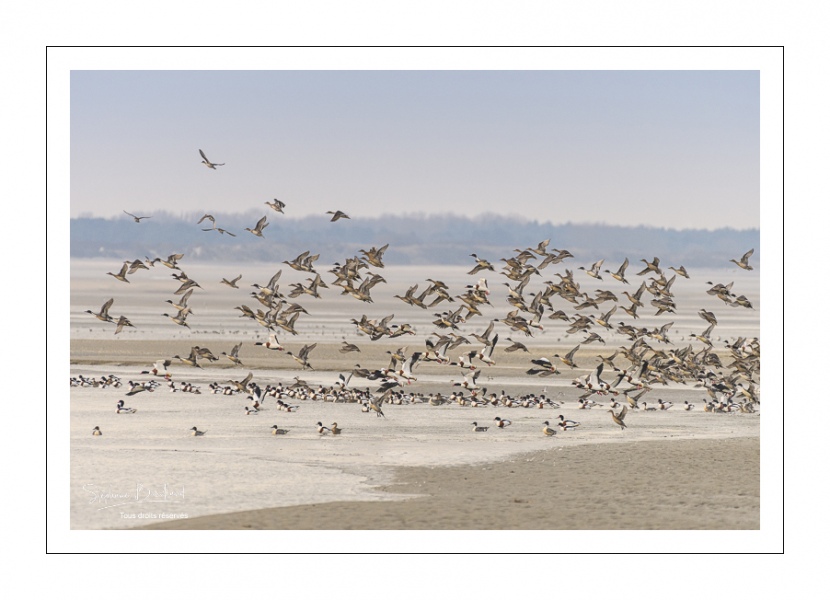
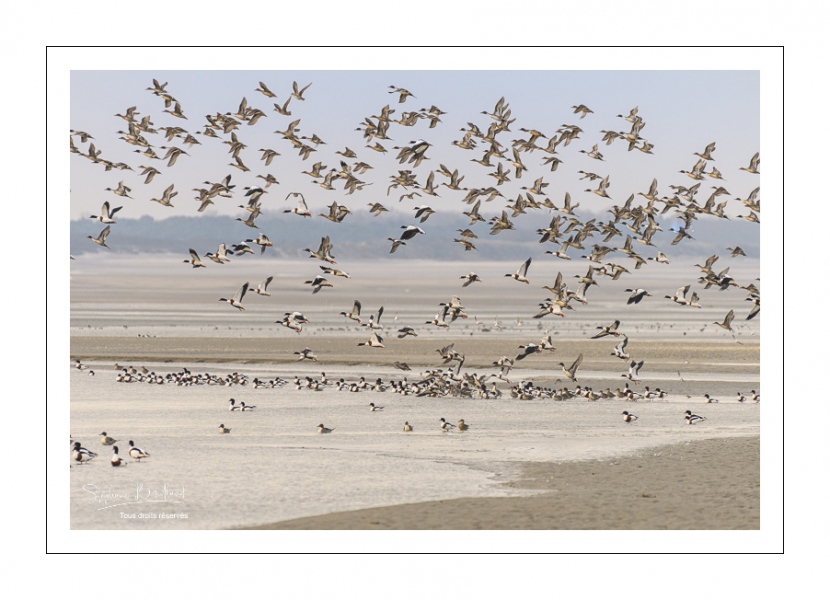
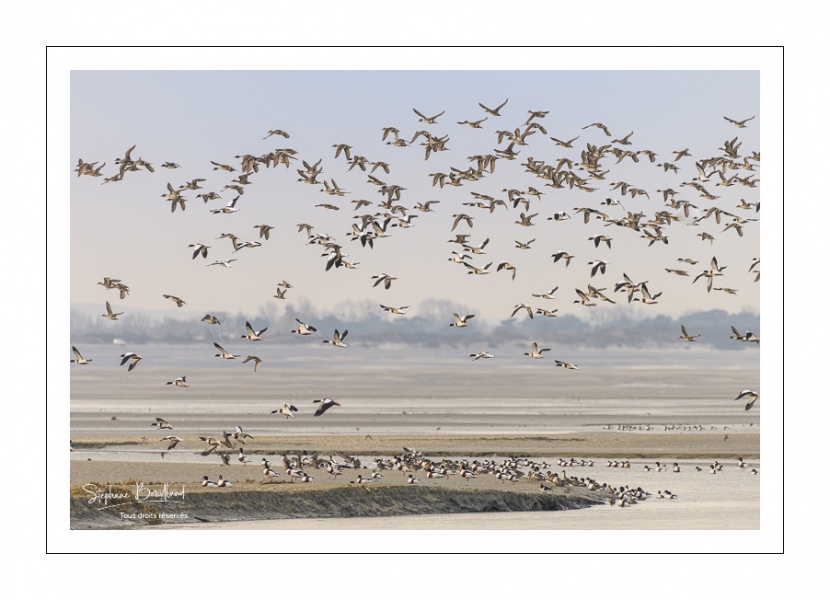
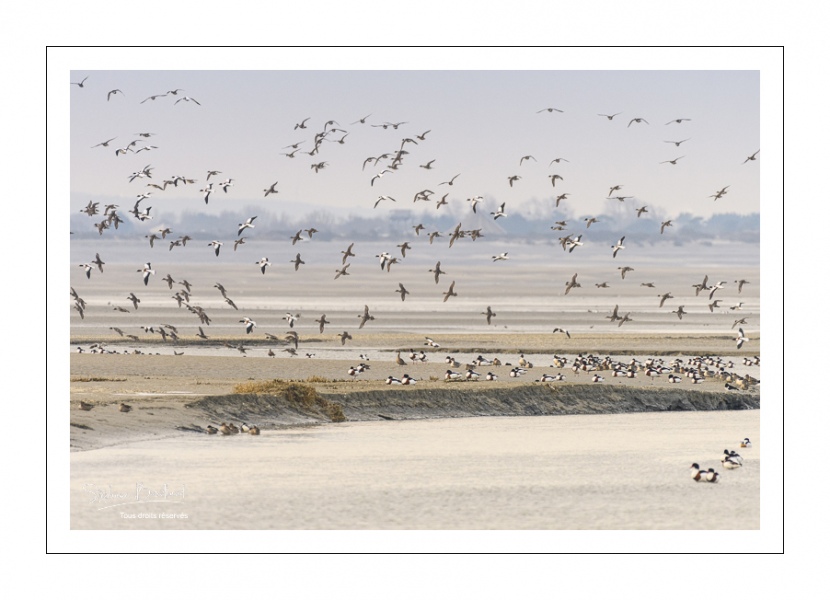
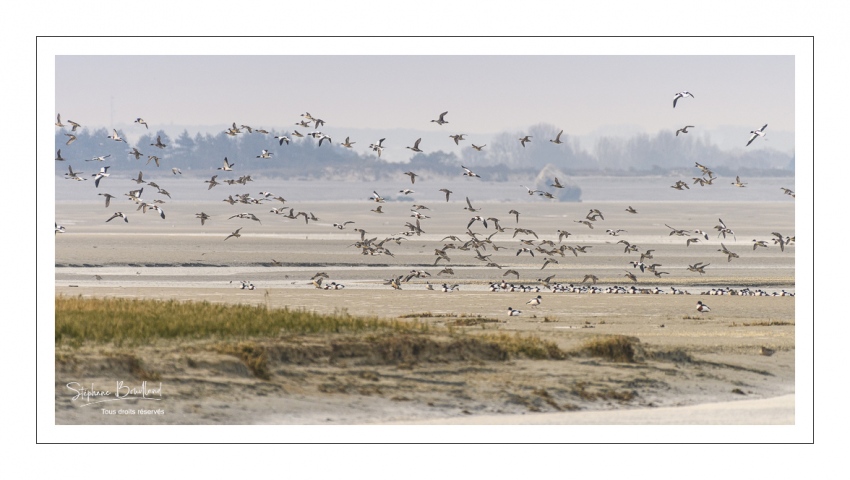
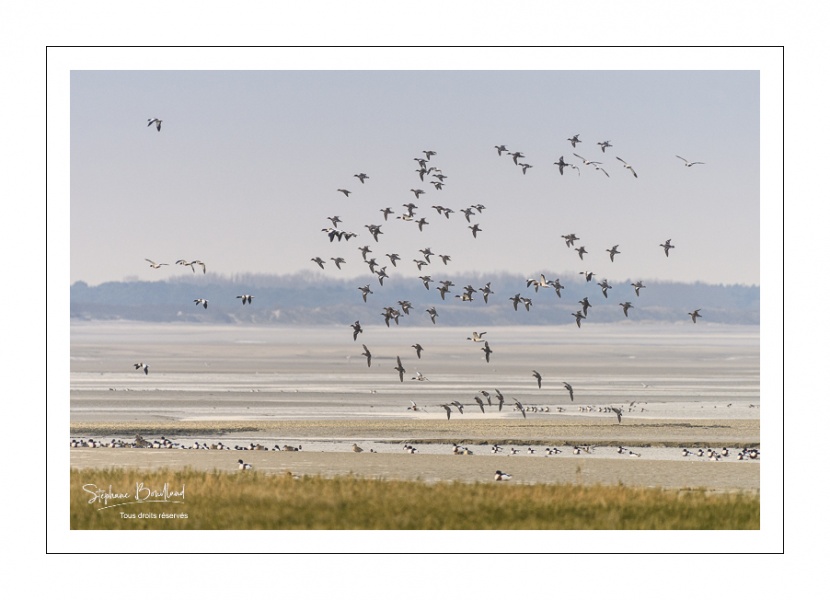
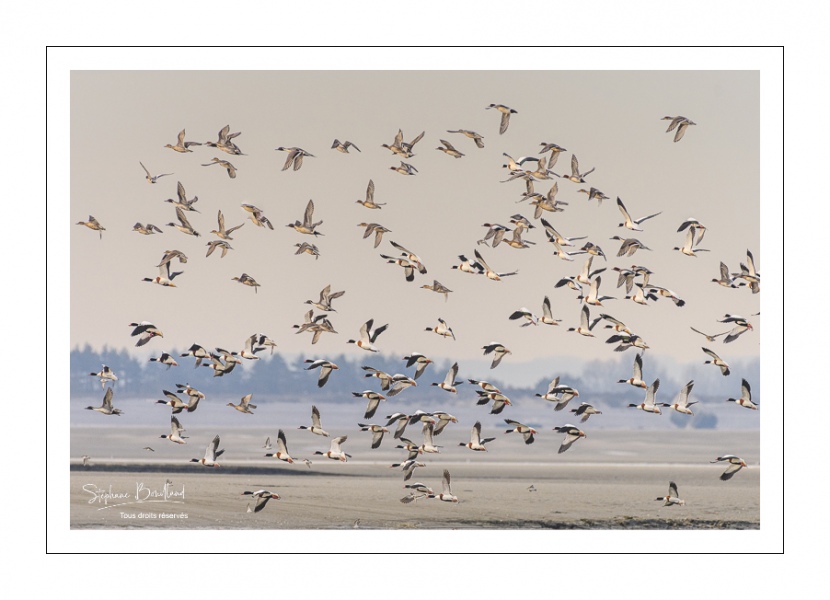
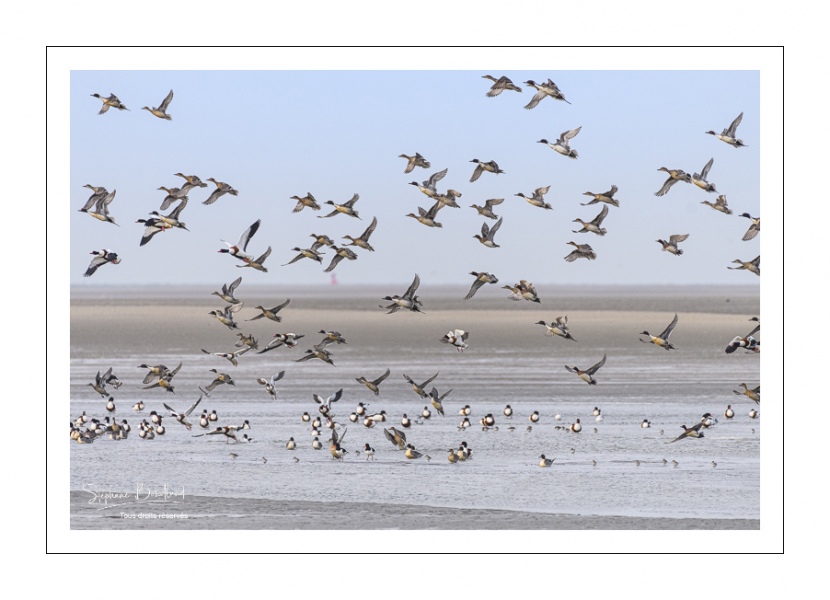
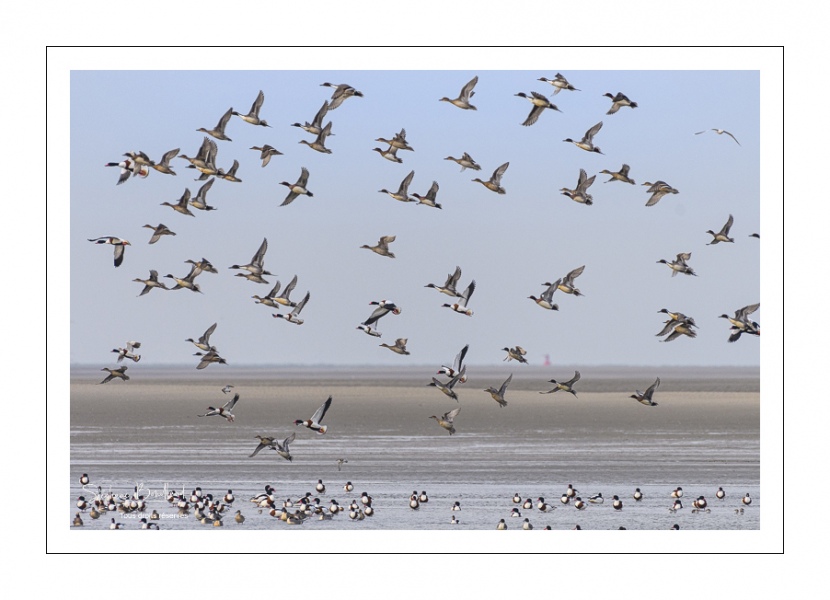
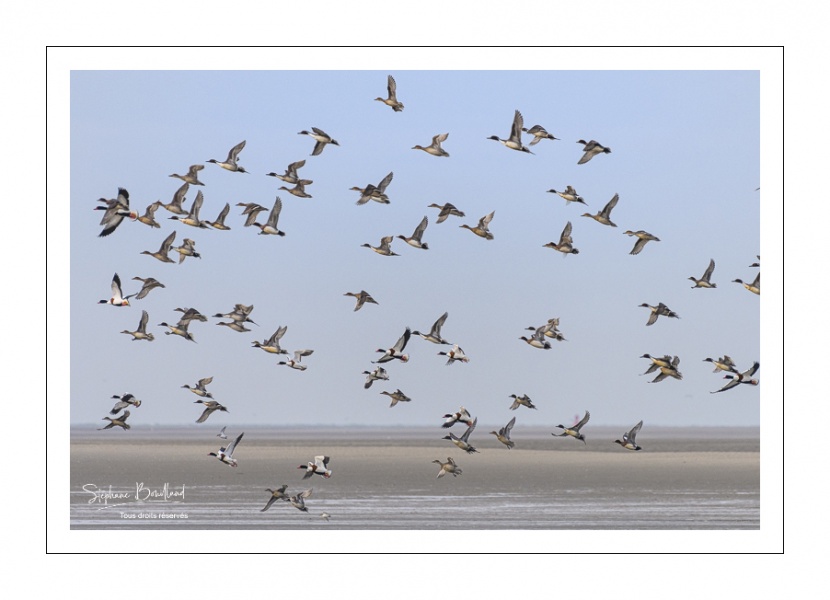
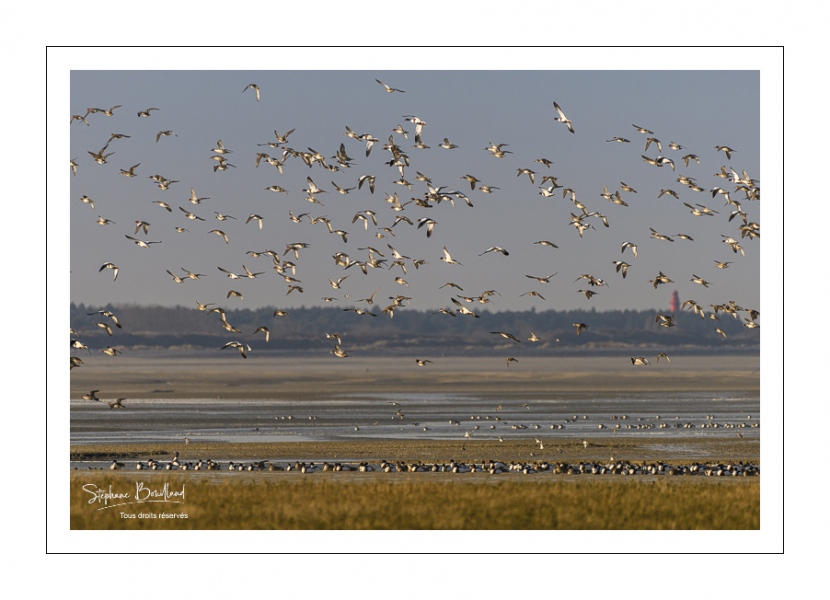
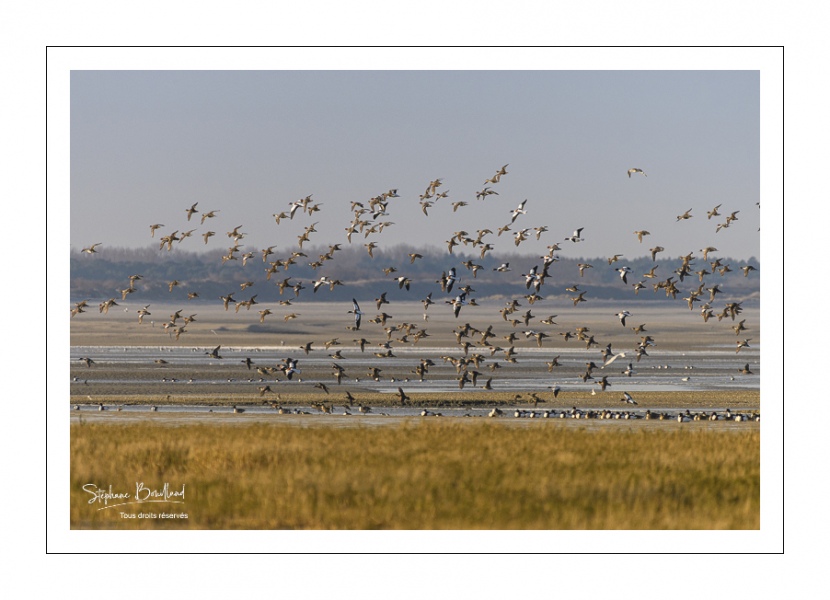
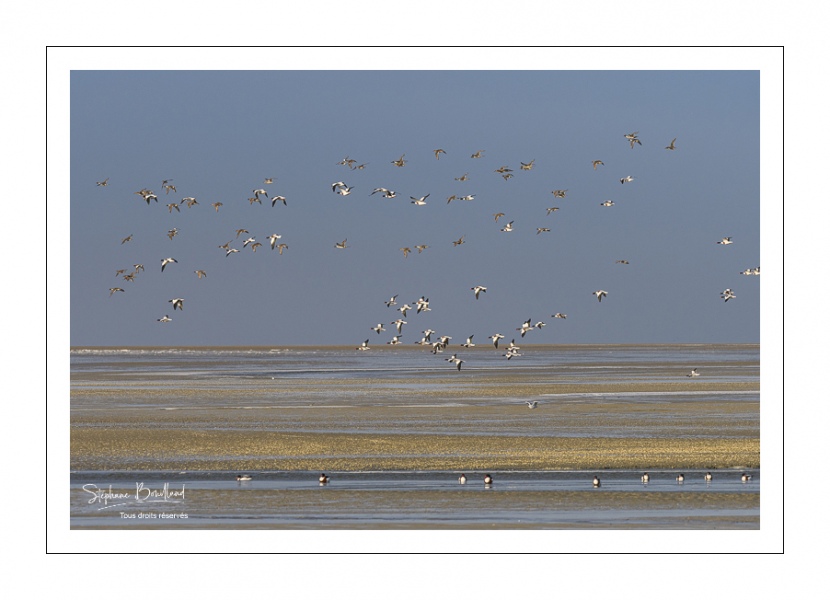
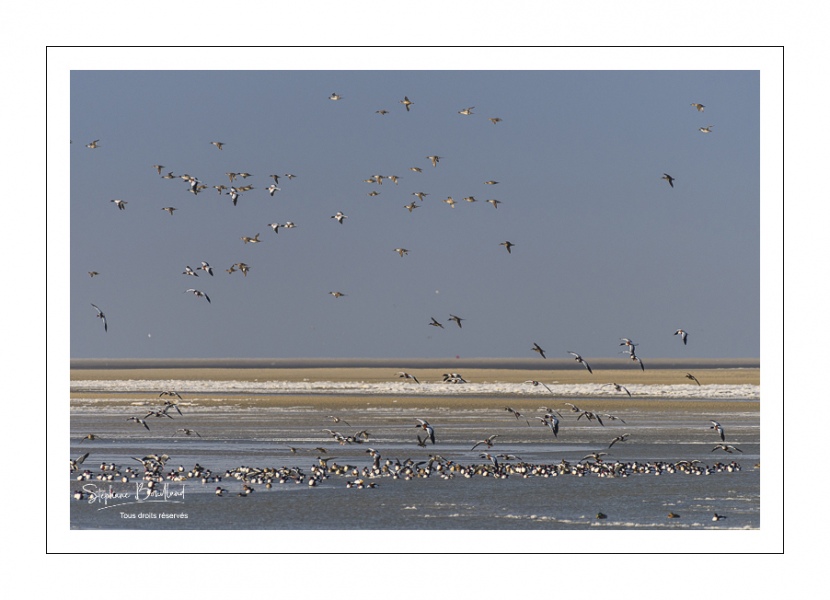
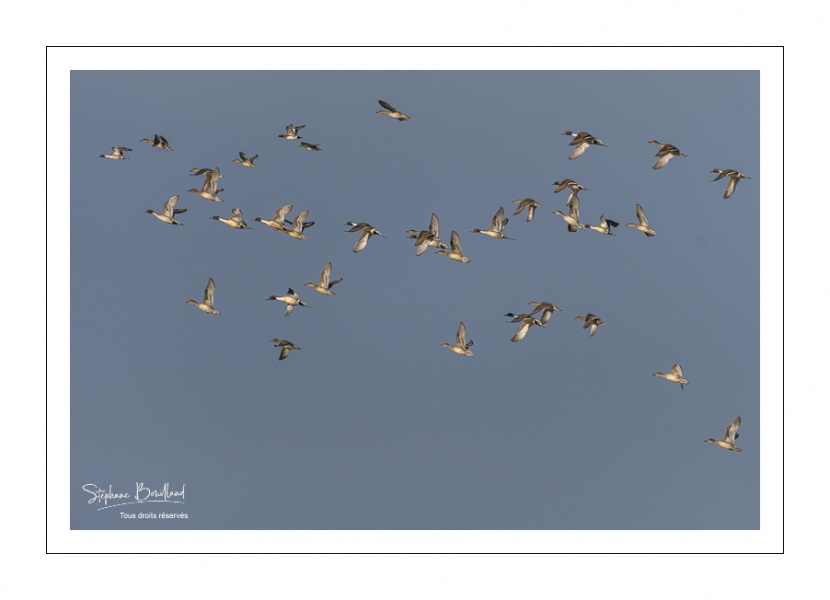
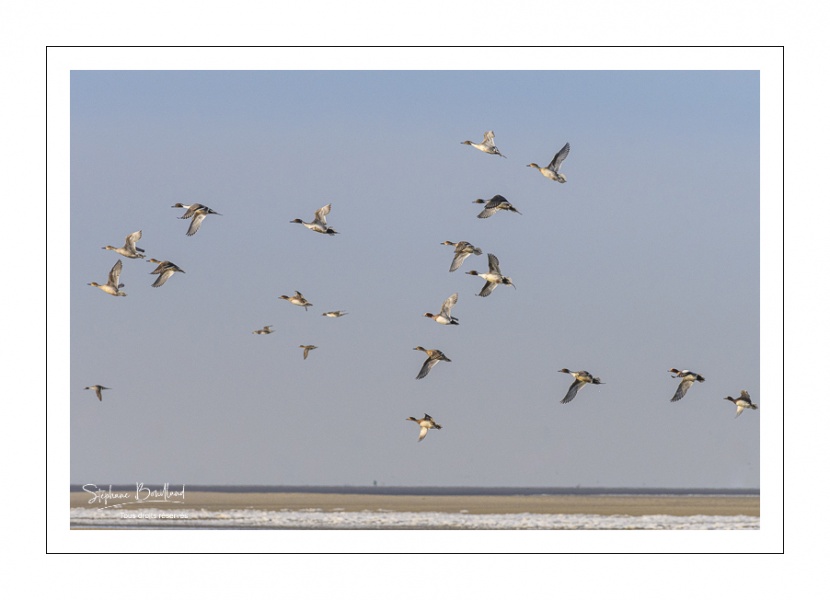
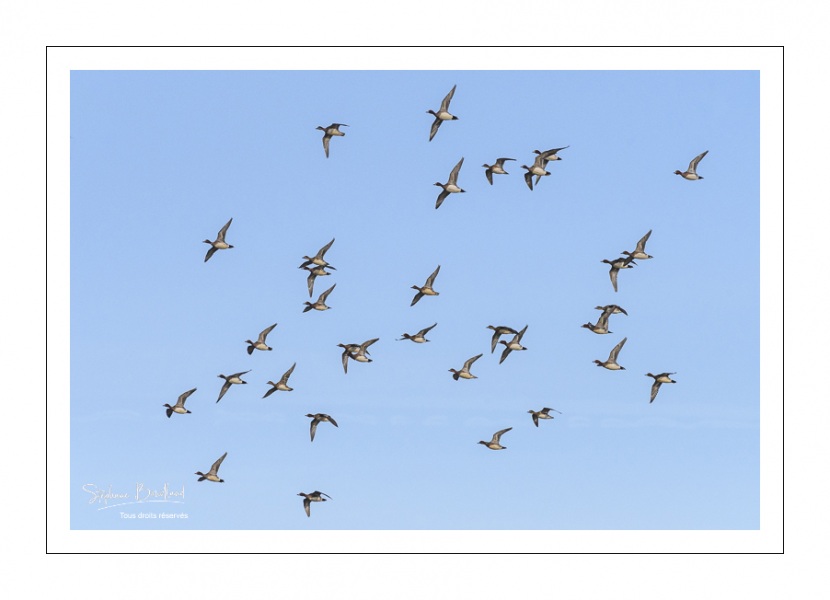
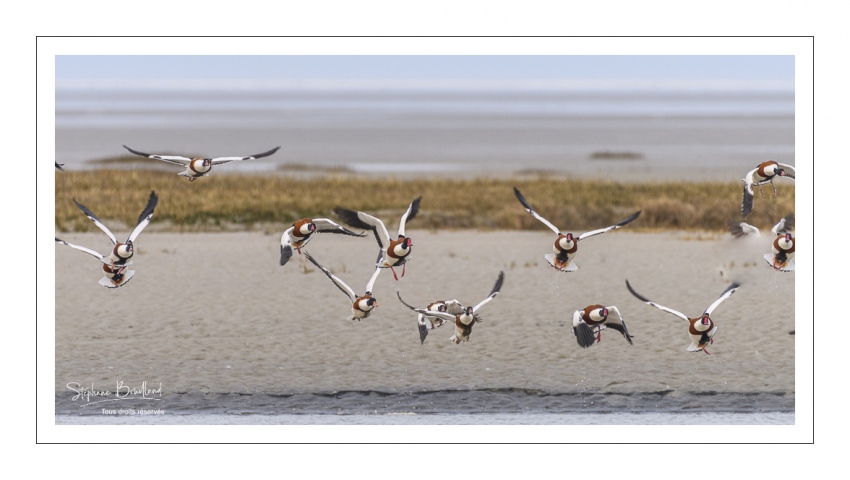
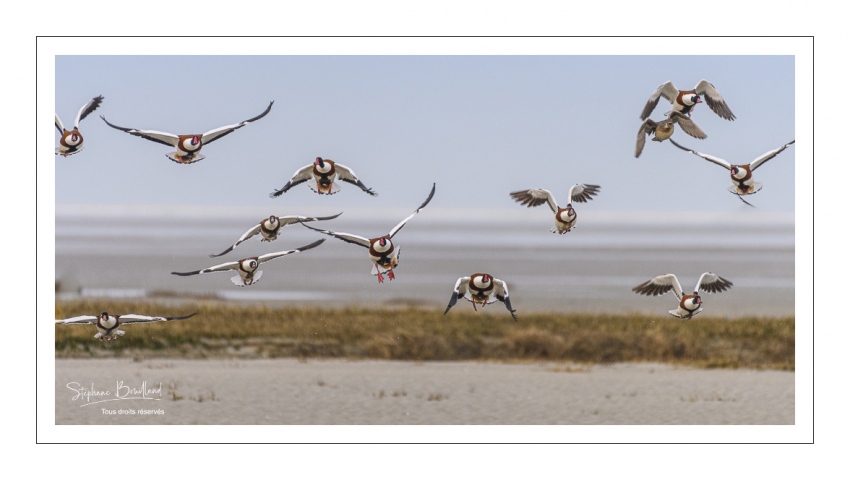
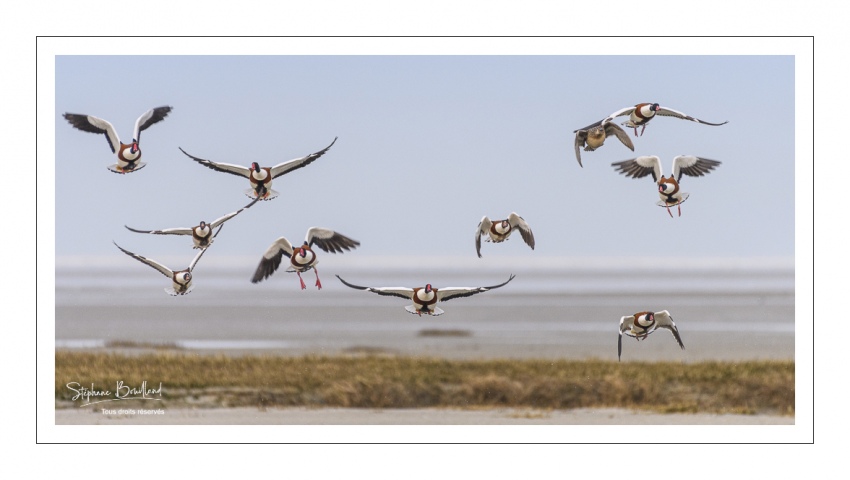
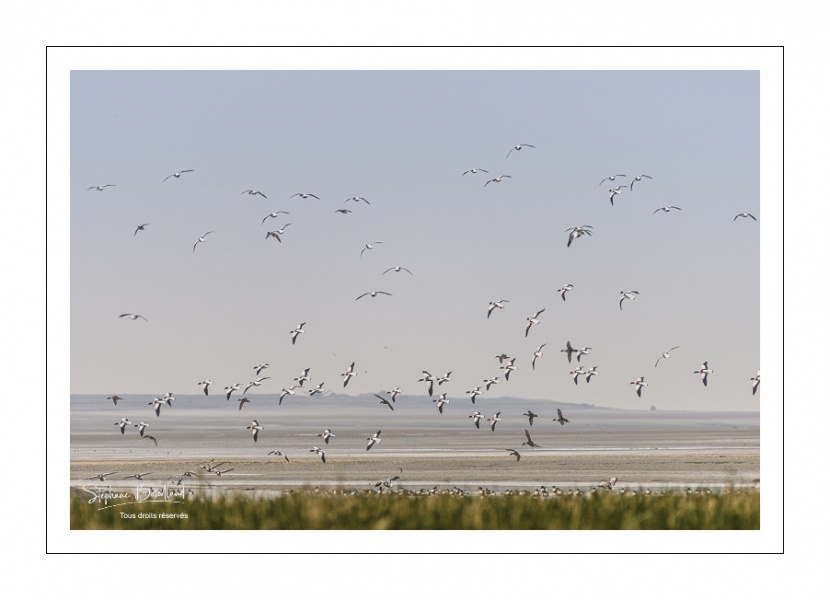
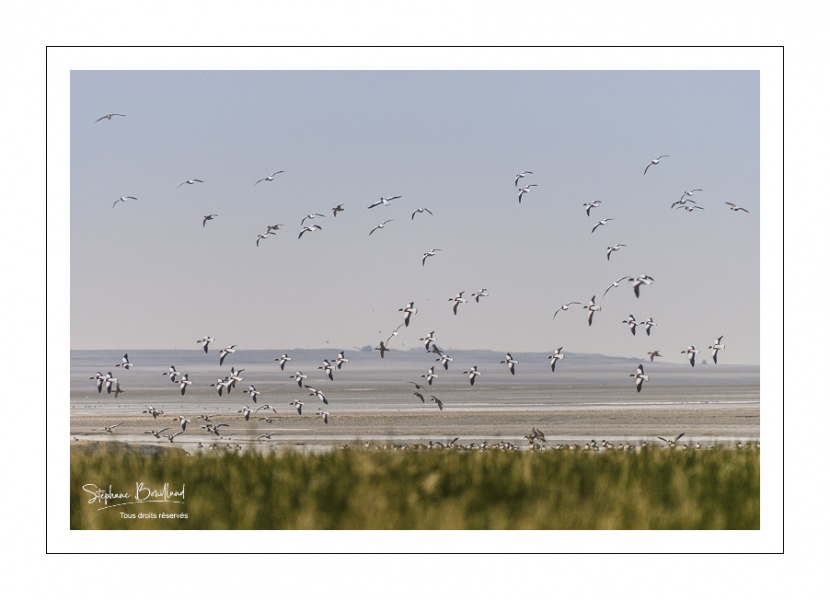
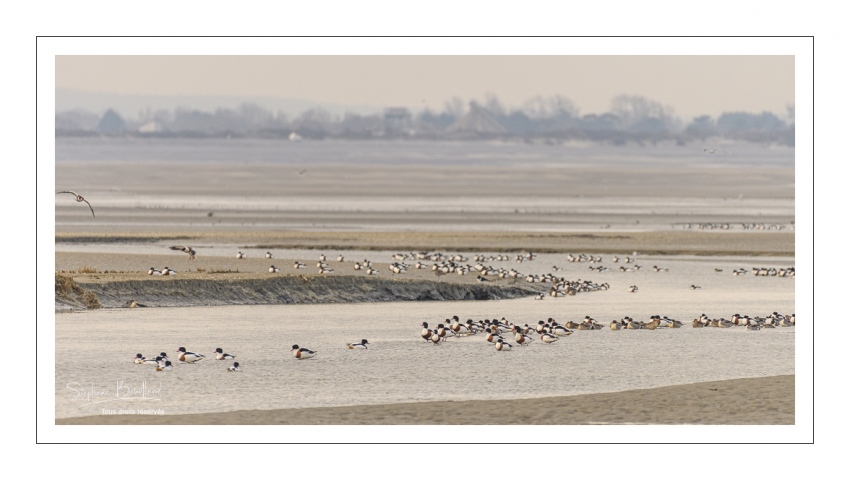
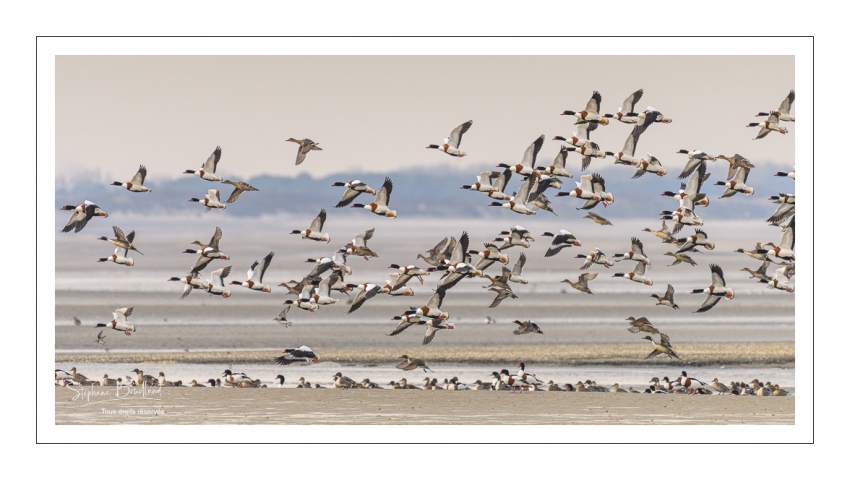
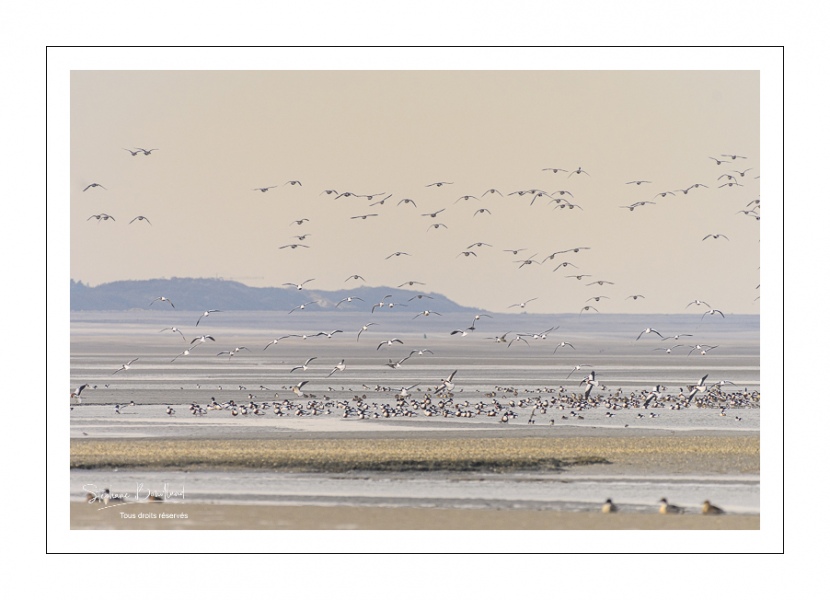
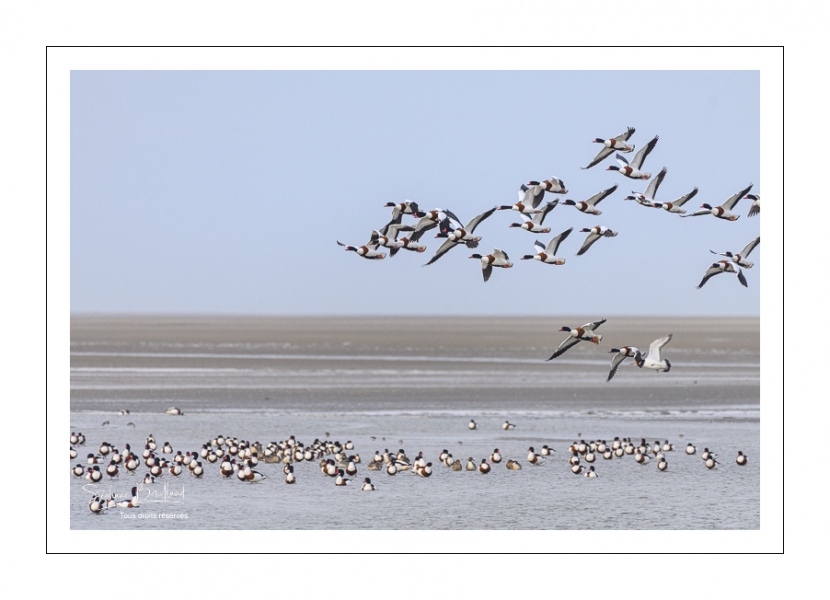
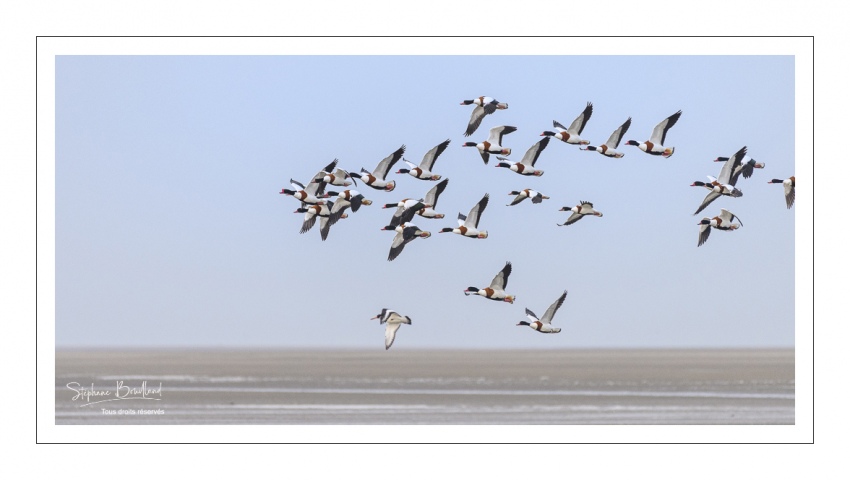
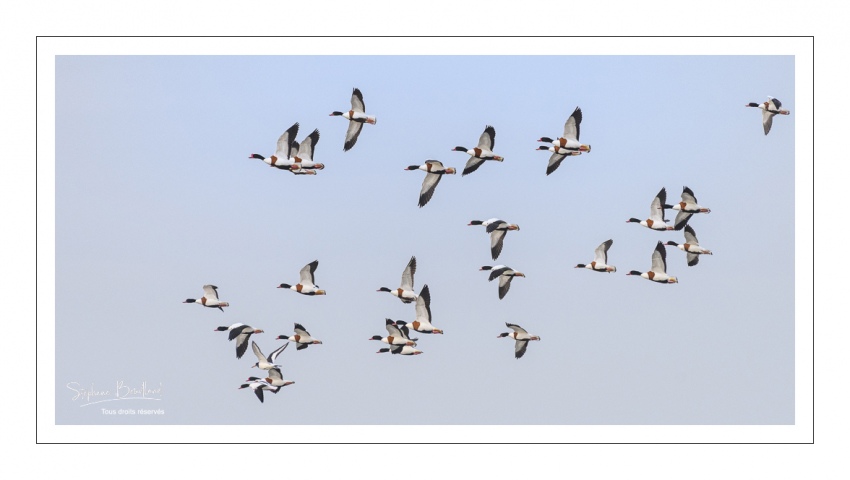
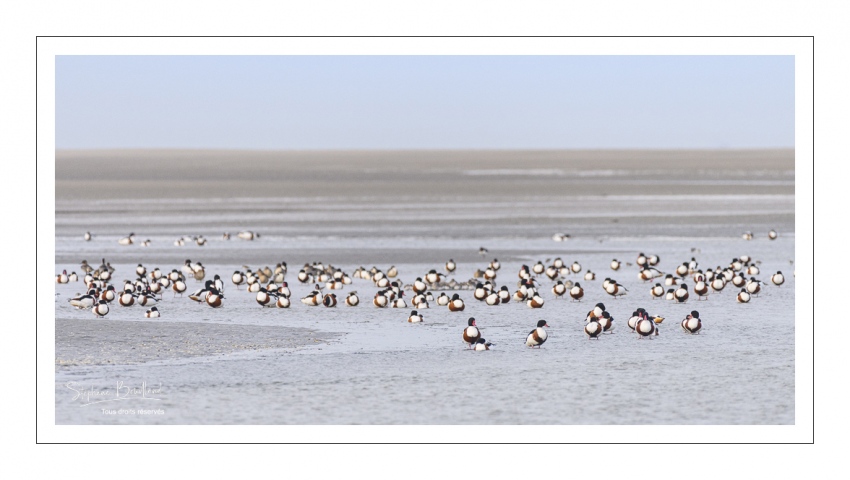
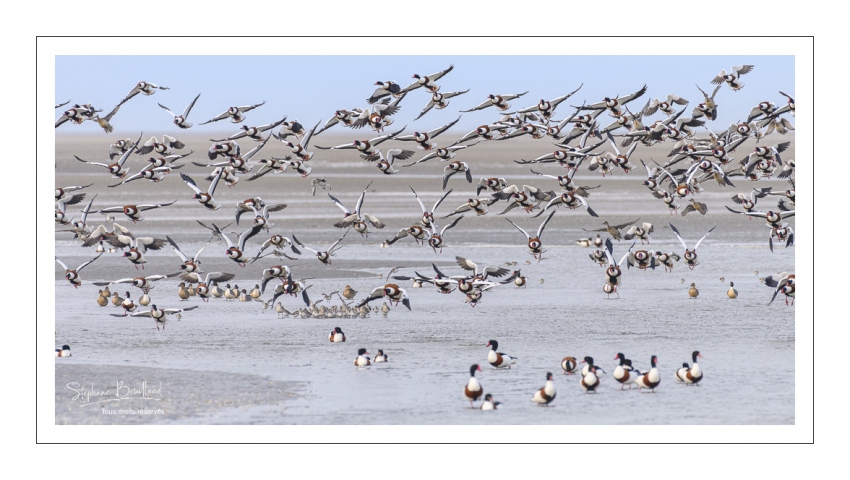
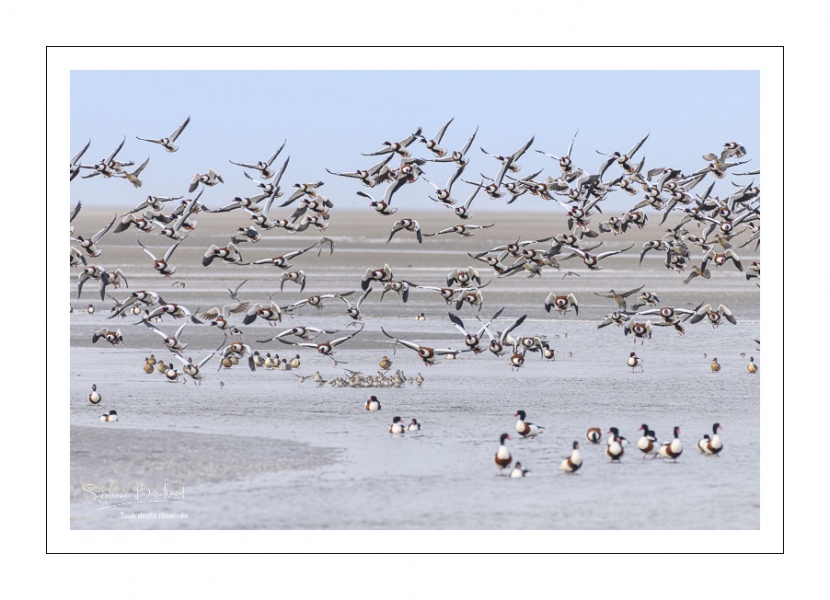
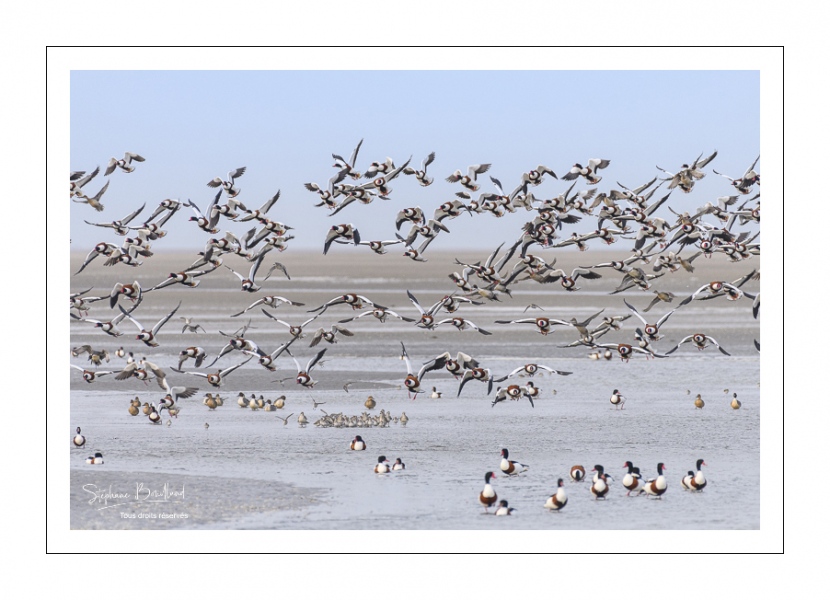
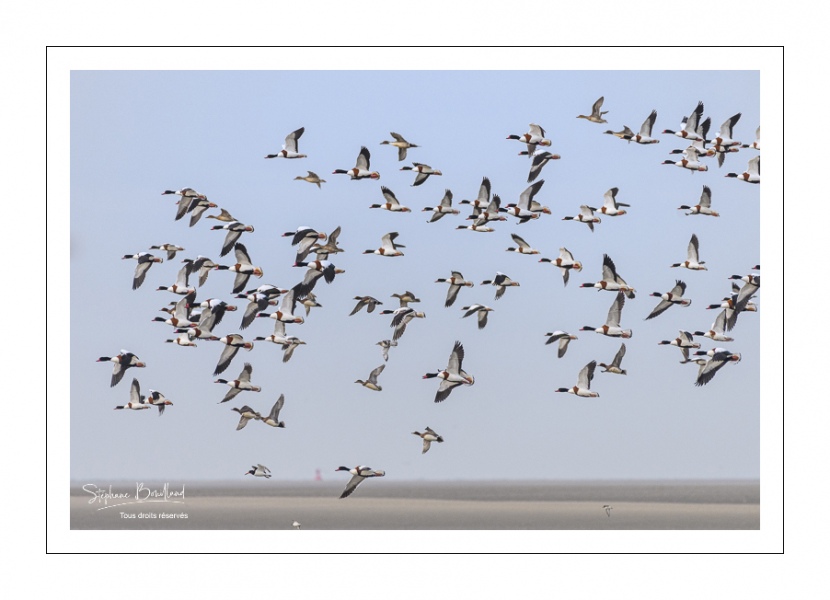
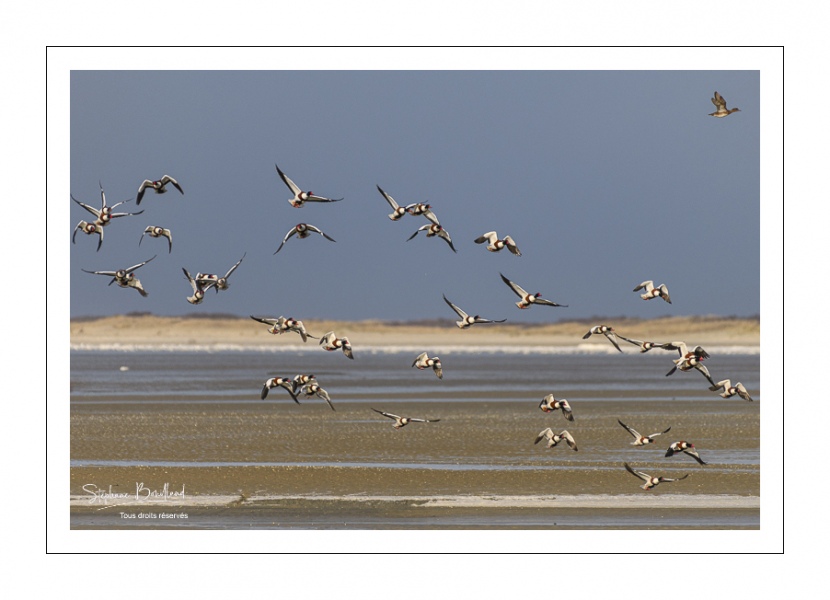
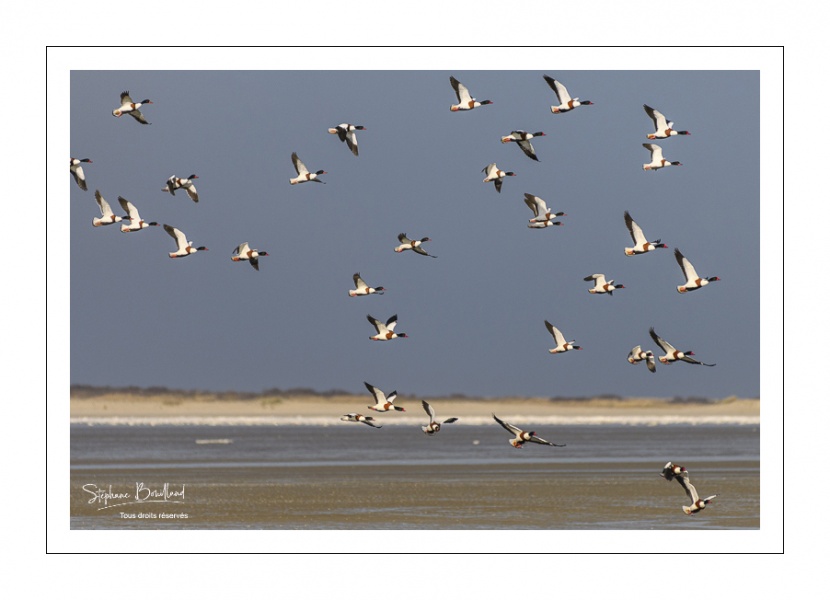
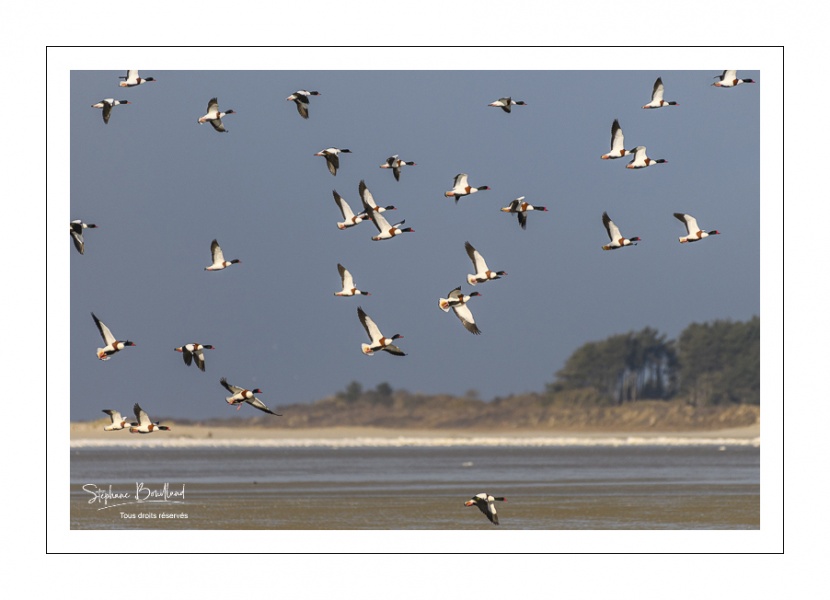
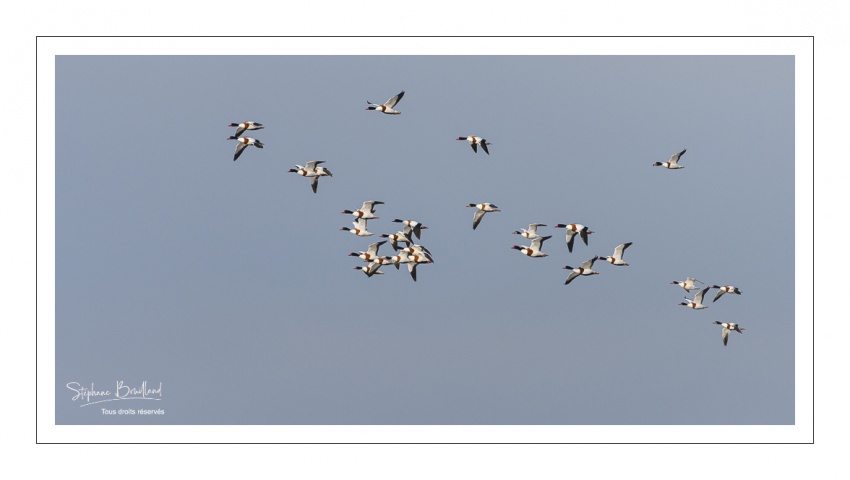
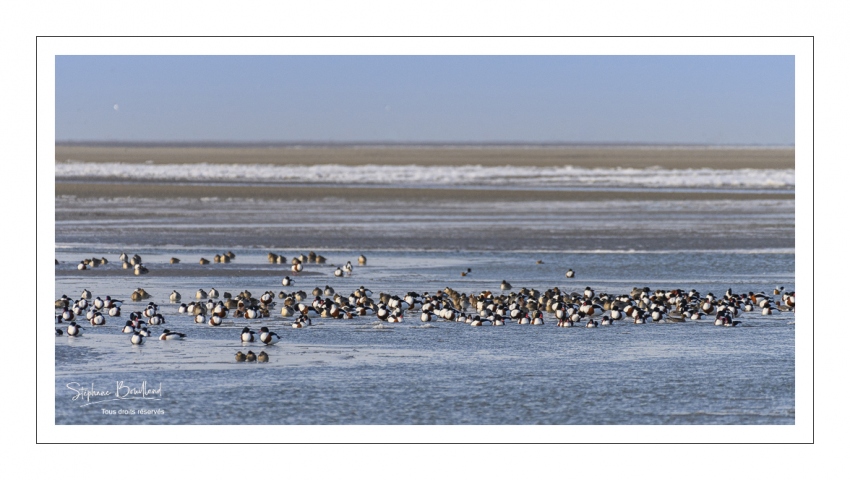
At the Plages de la Maye, in the Baie de Somme Nature Reserve, I observe in the distance the big bird gatherings! The Tadornes de Belon, emblematic birds of the Baie de Somme, perform their usual aerial ballets despite the cold. To my great surprise, they are accompanied by a multitude of ducks. I would later learn that heavy snowfalls in Scandinavia forced them to retreat to our home, further south, to our great pleasure!


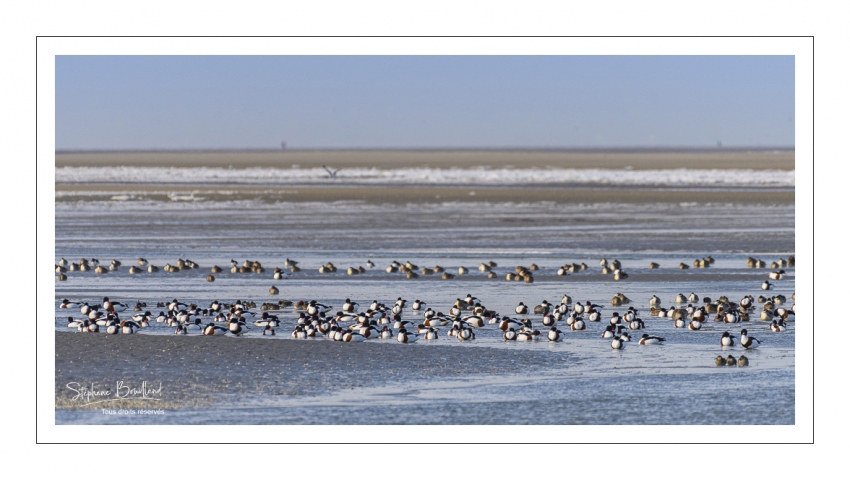
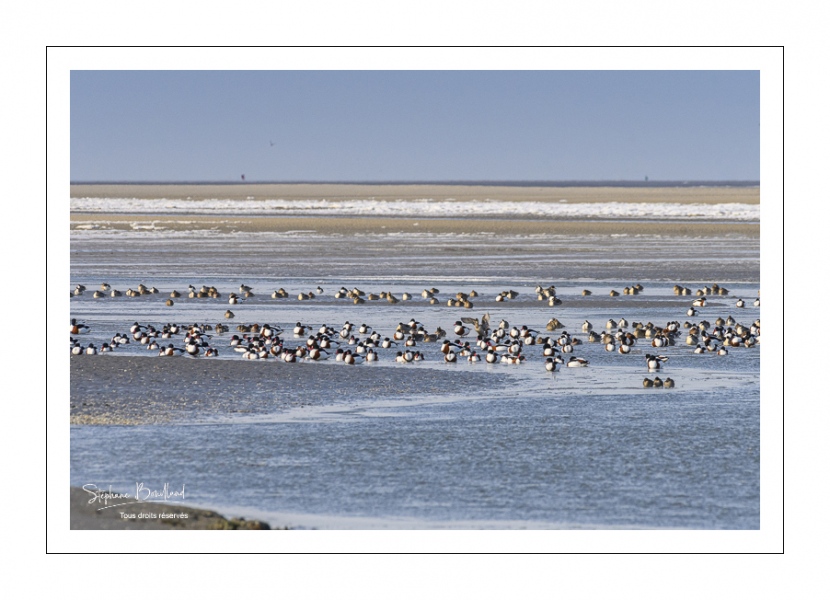
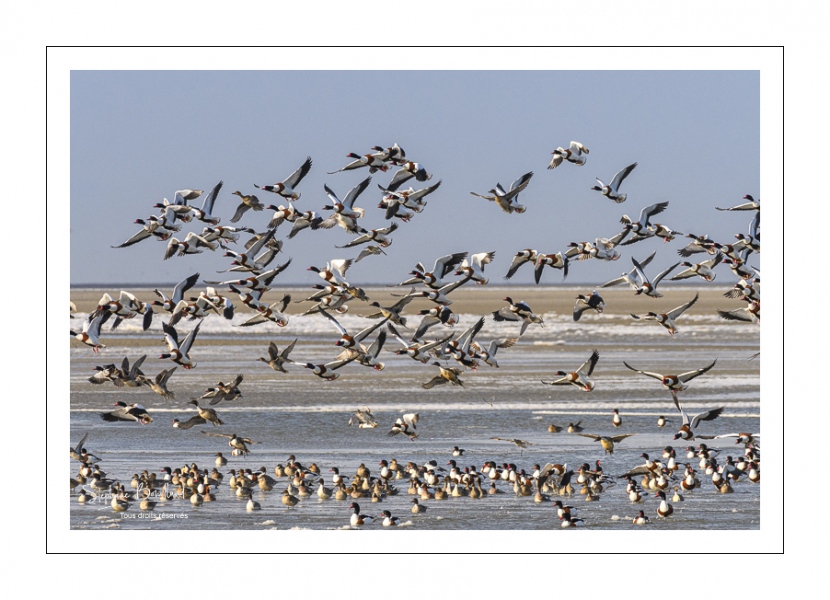
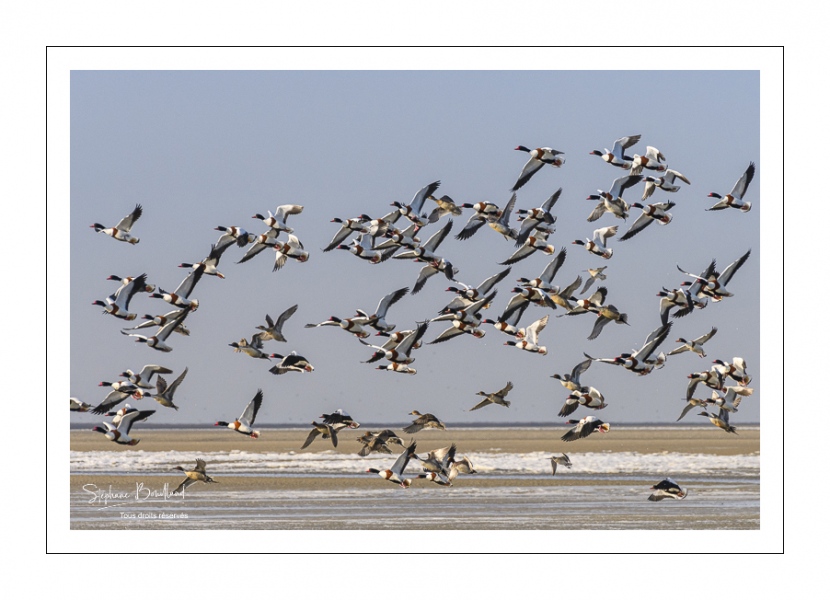
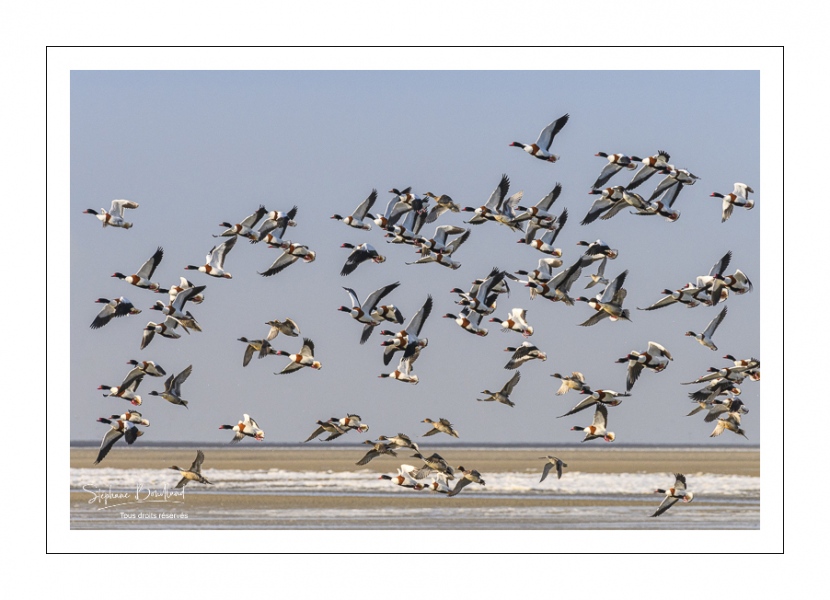
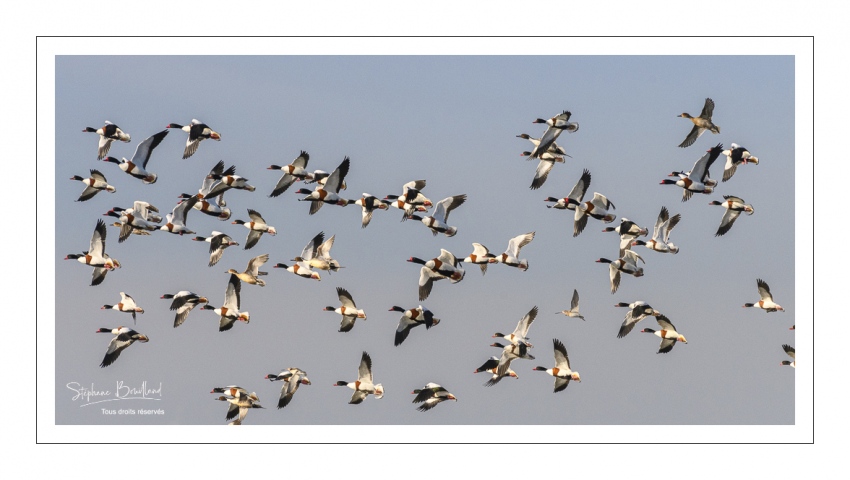
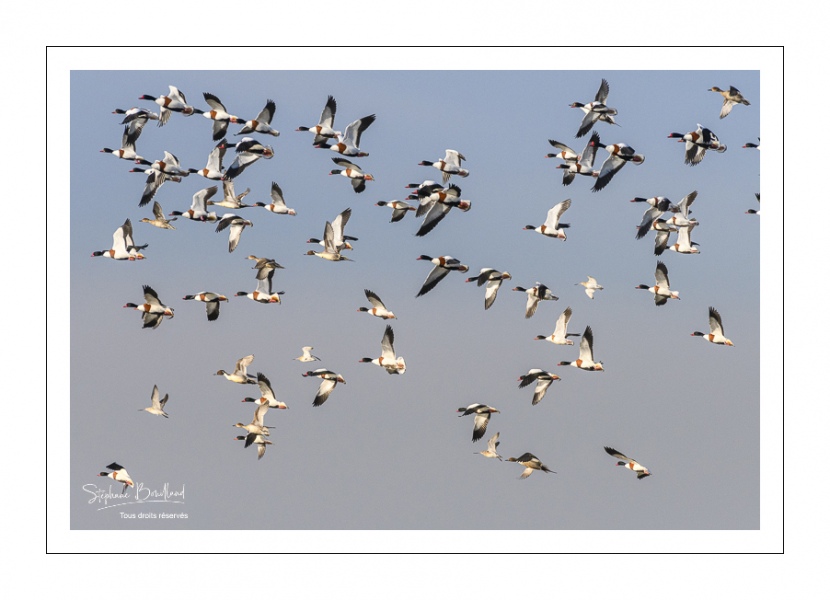
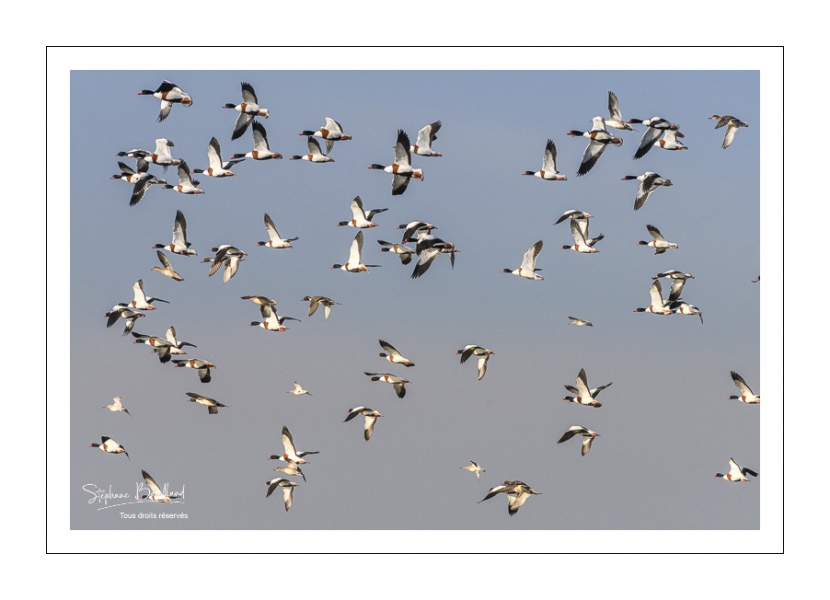
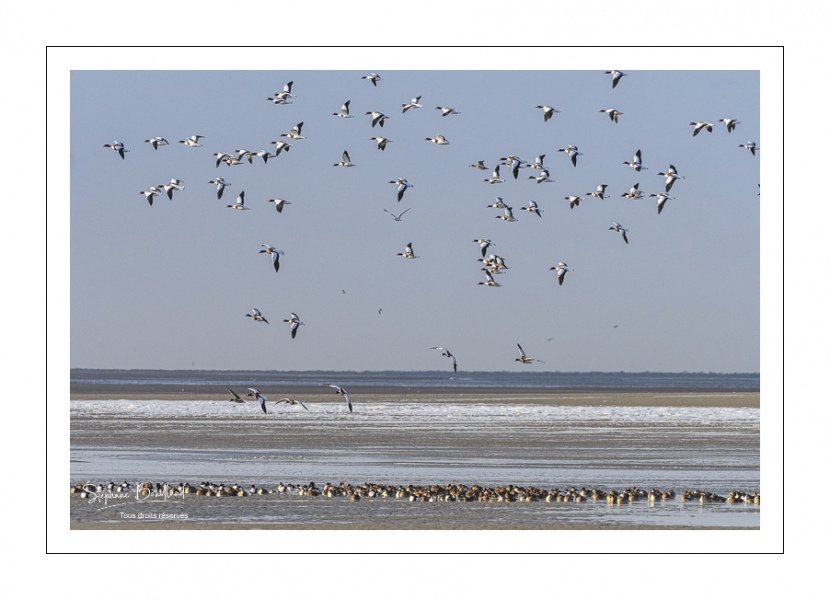
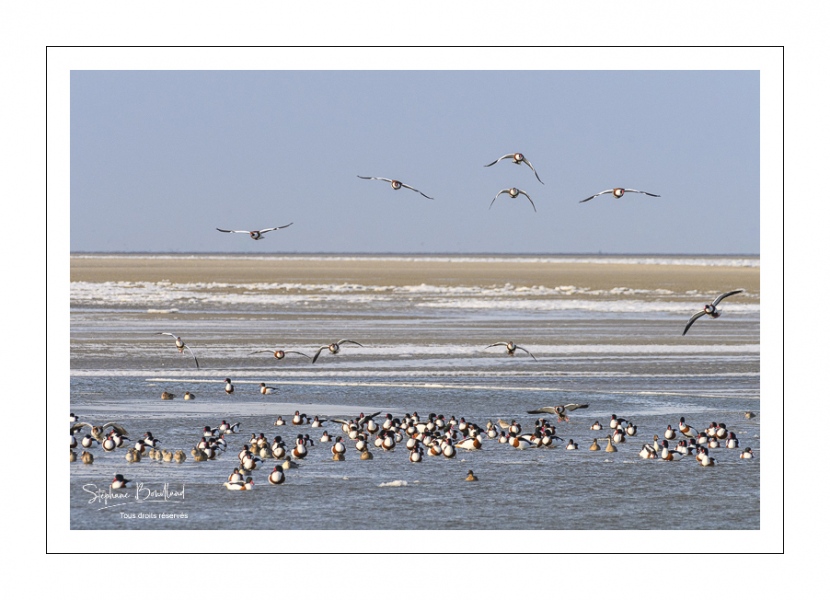
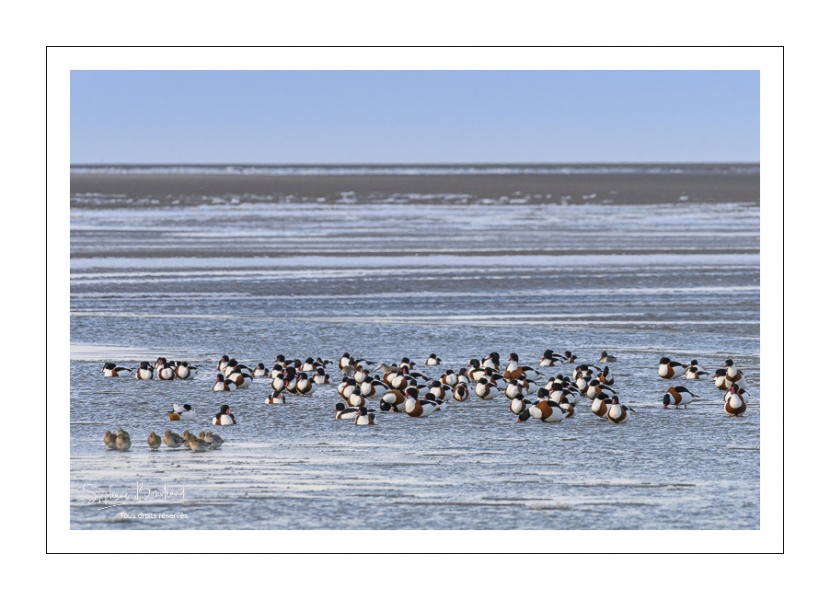
A bit of macrophotography
On the way back, my eye is attracted by the shells and algae caught in the ice. Here, these are rare images, and I take the opportunity to take a few more pictures.
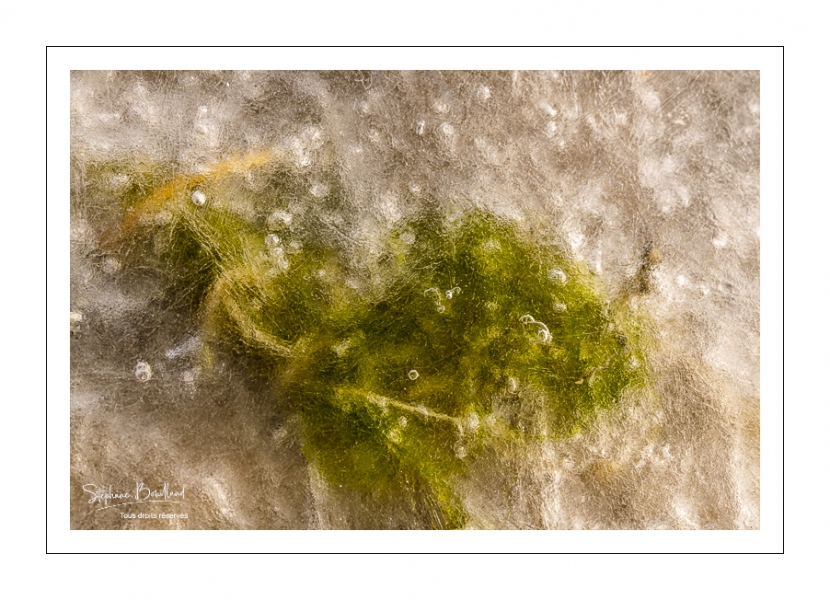
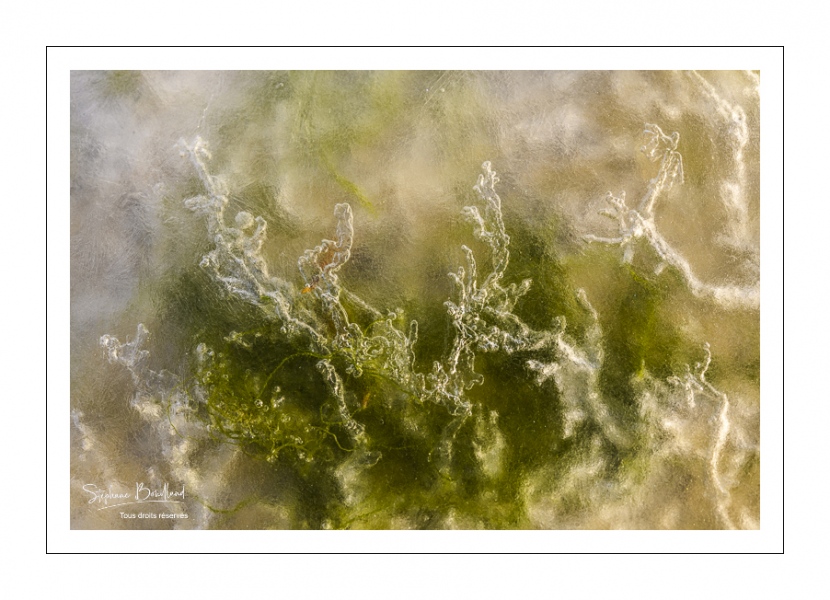
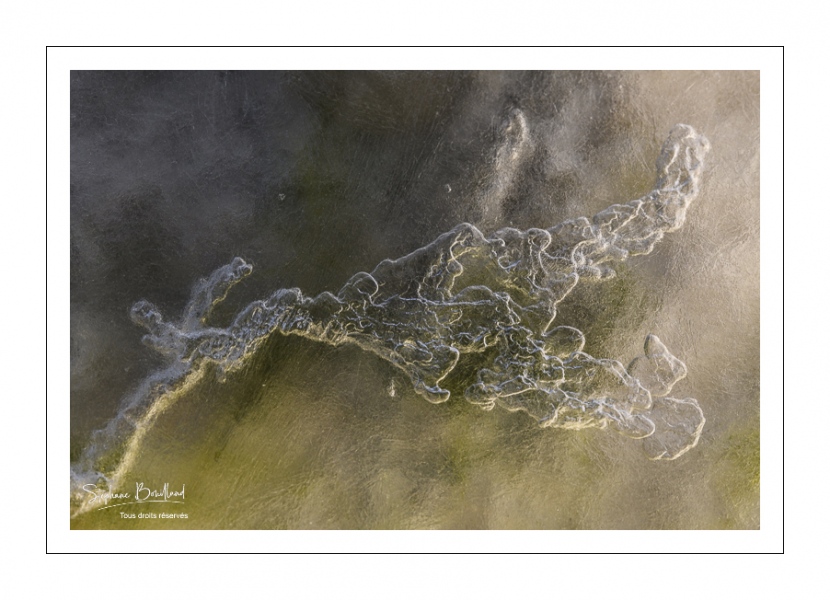
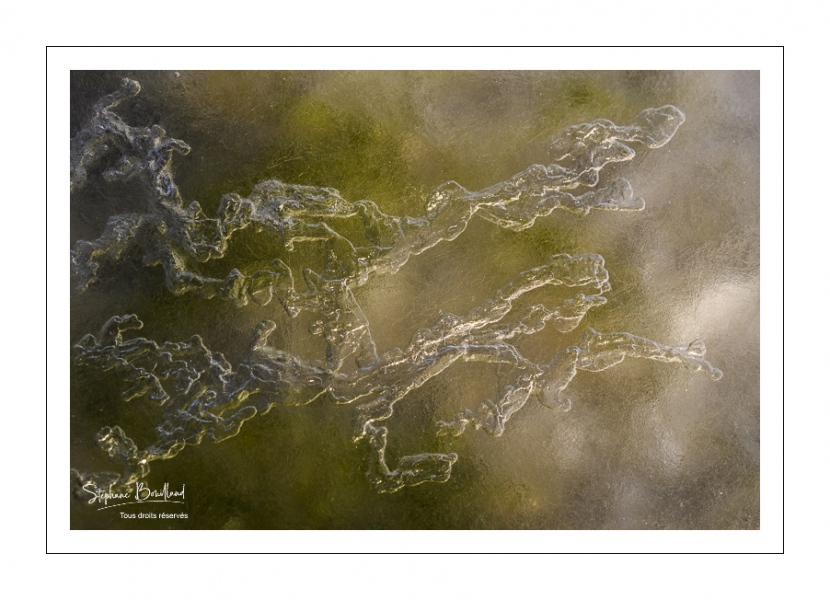
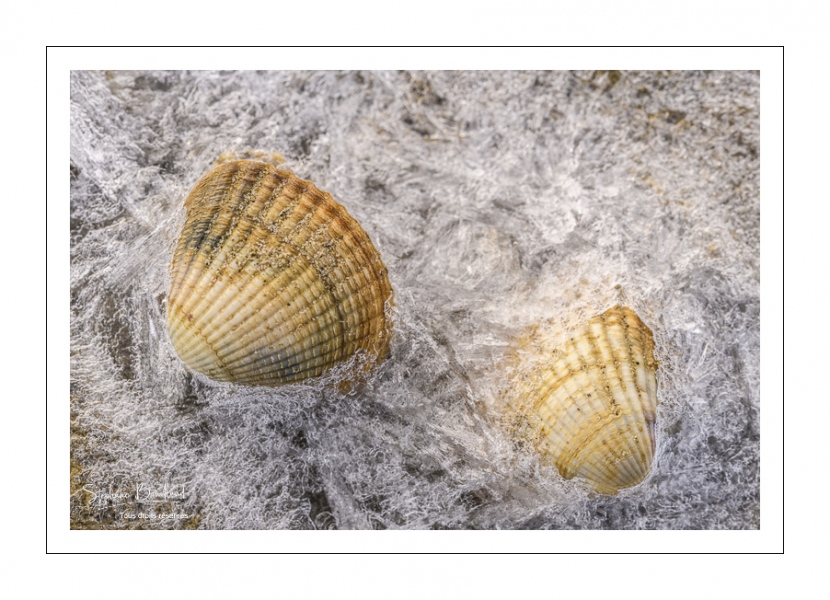
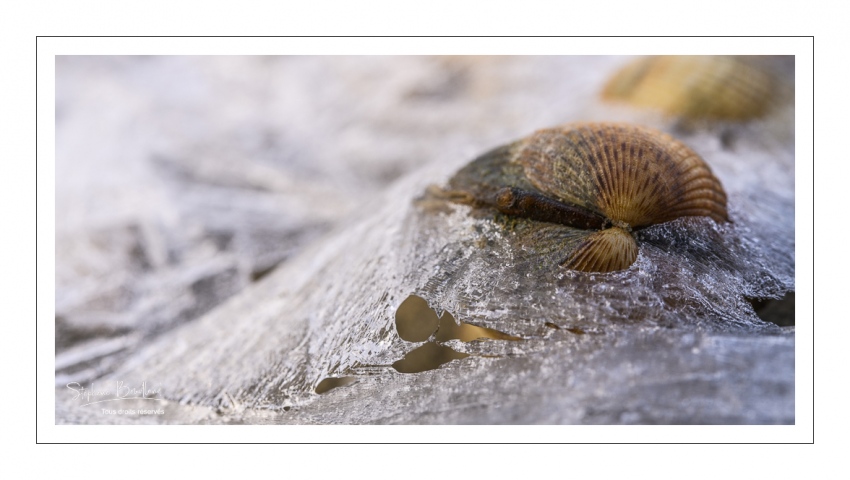
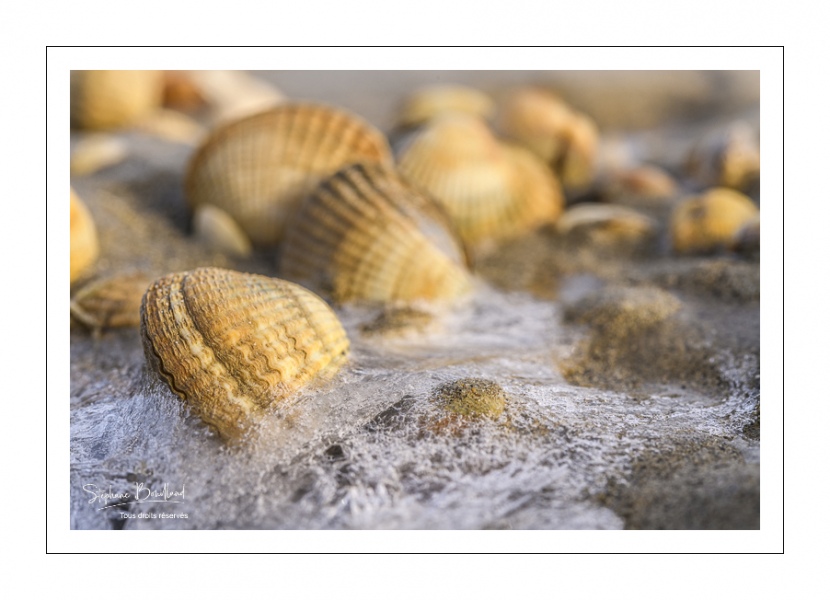
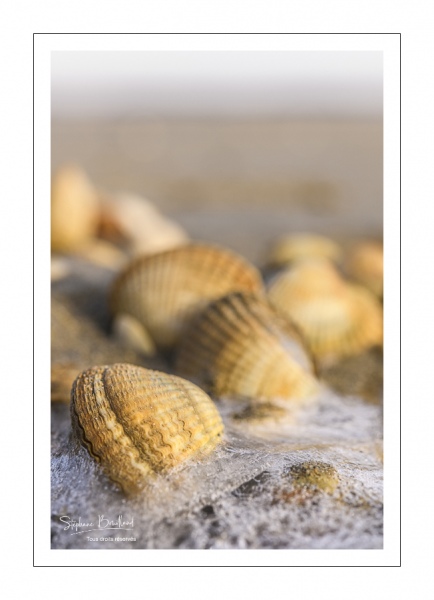
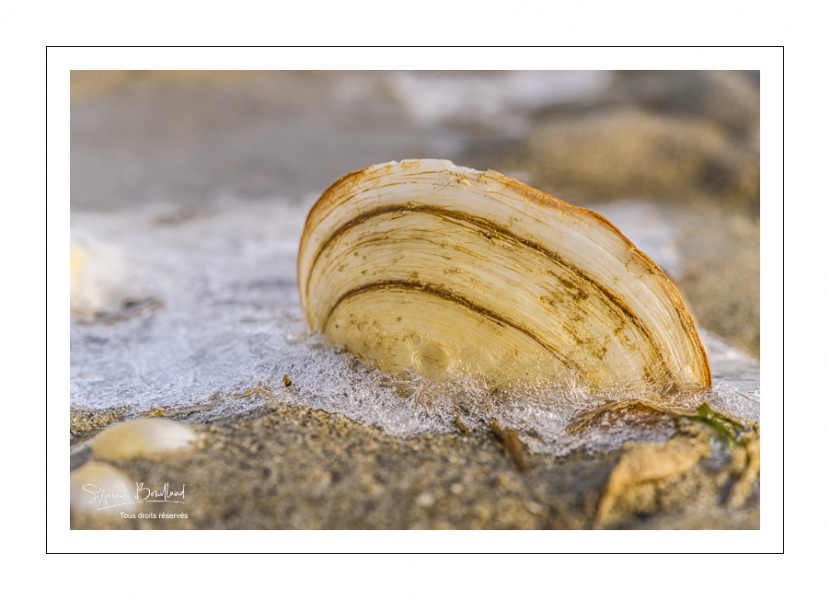
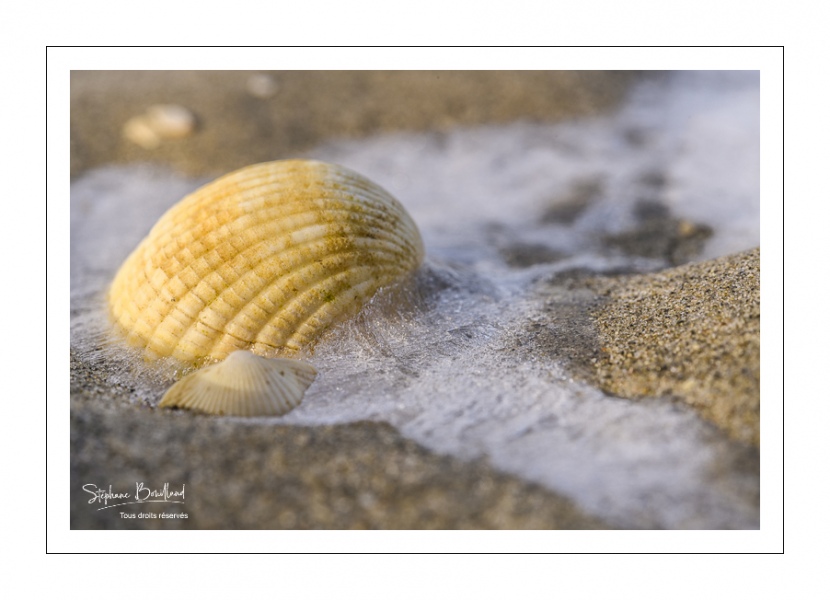
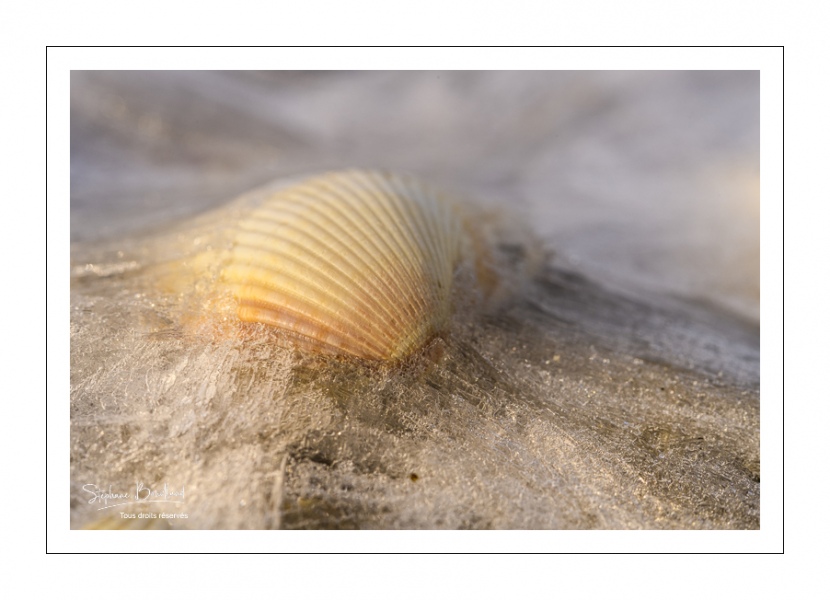
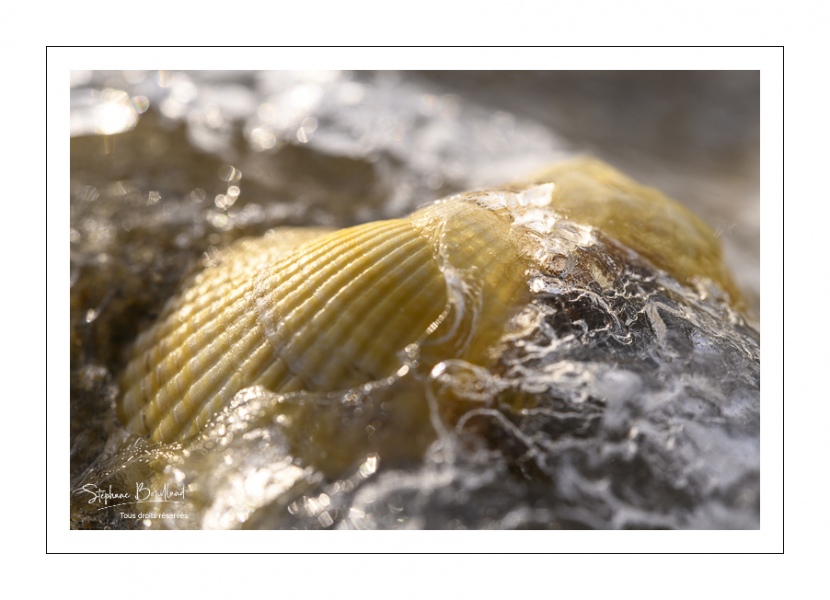
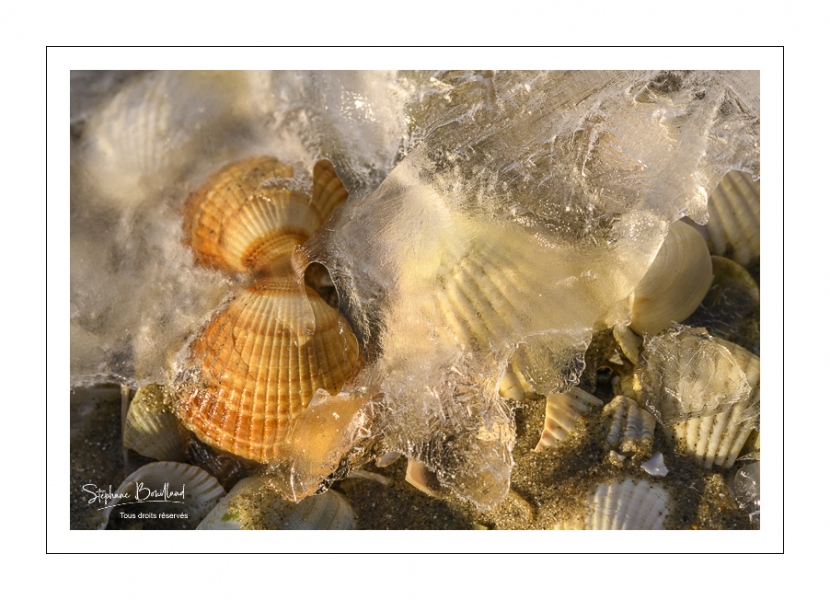
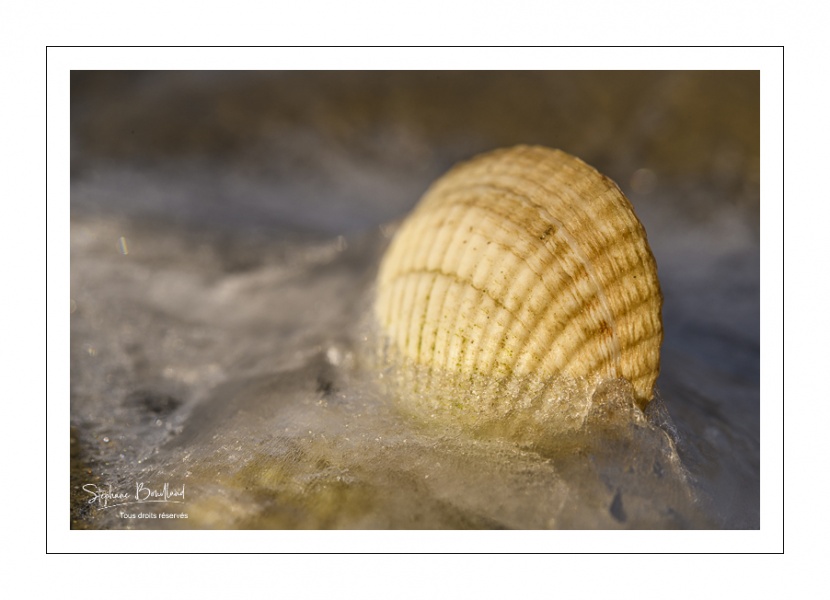
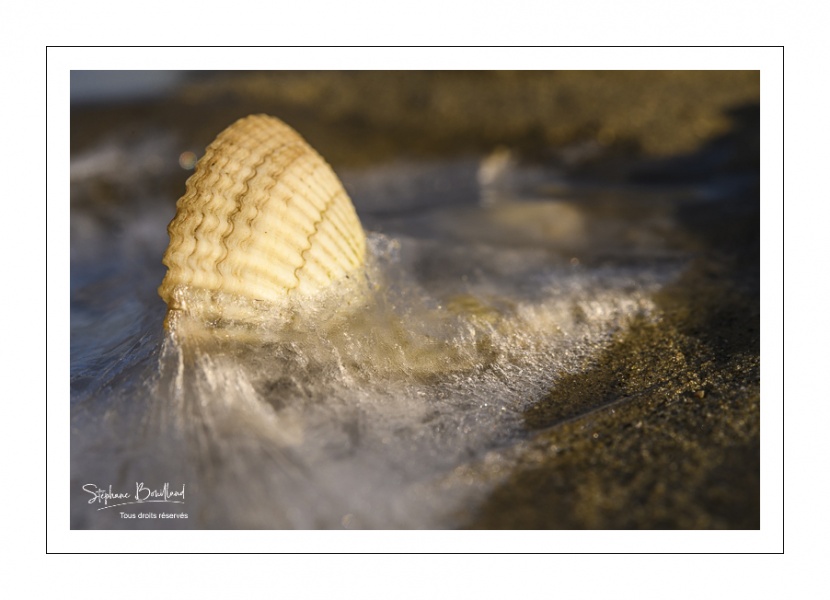
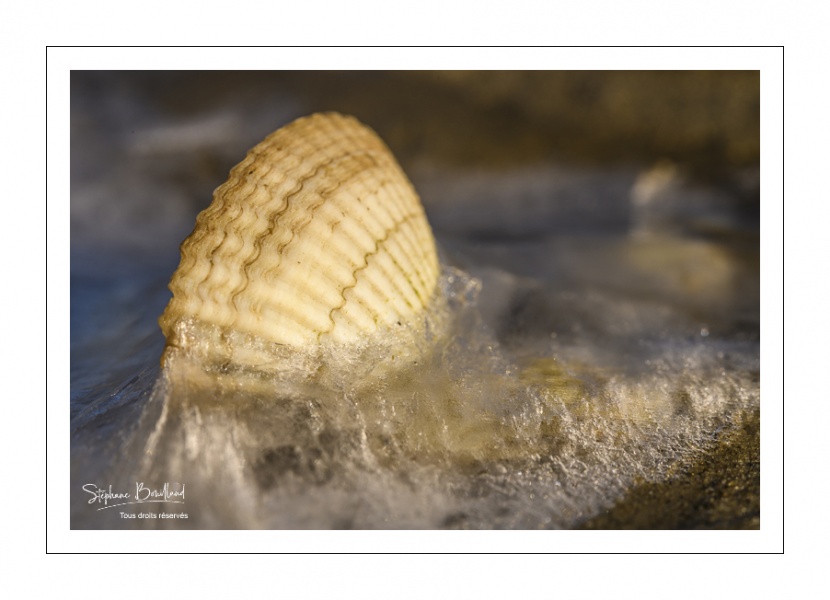
In the end, I get caught up in the game and spend long moments on the ice on my knees, looking for micro landscapes with interesting graphics. During post-processing in front of the computer, it appeared to me that the reliefs and materials of some of these images lent themselves well to black and white. So here is a small series of photographs that are perhaps more abstract art than documentary!
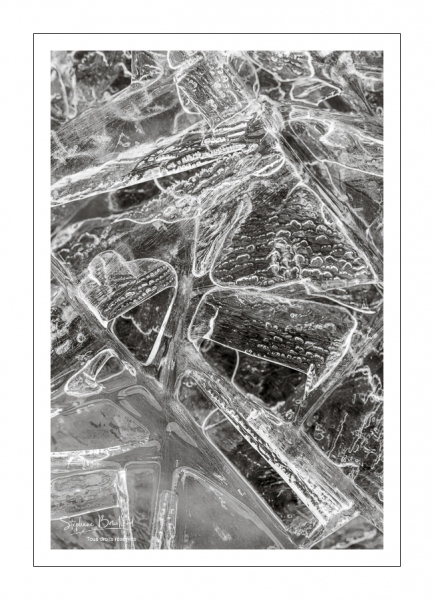
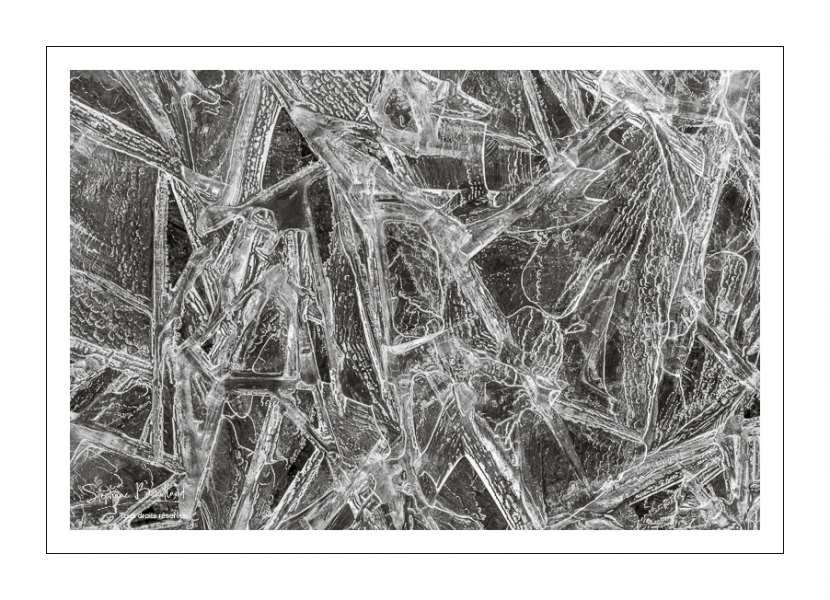
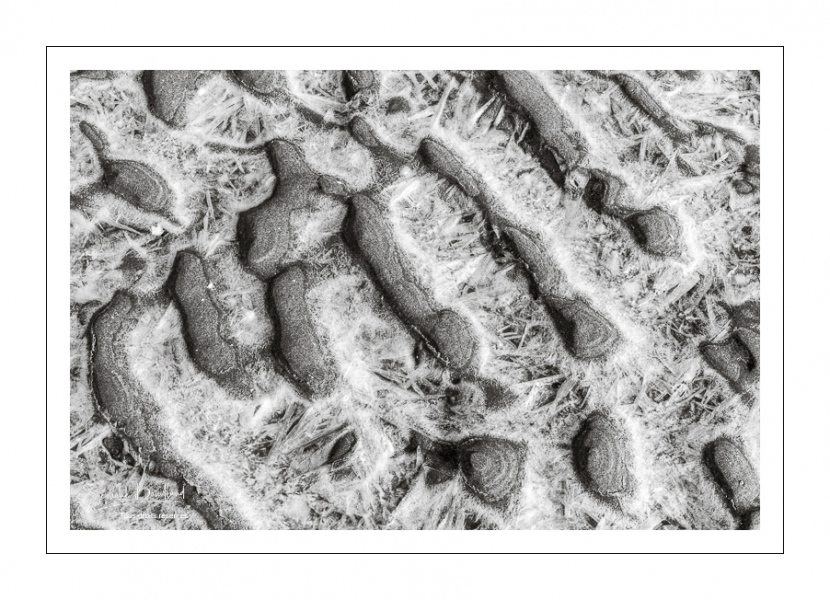
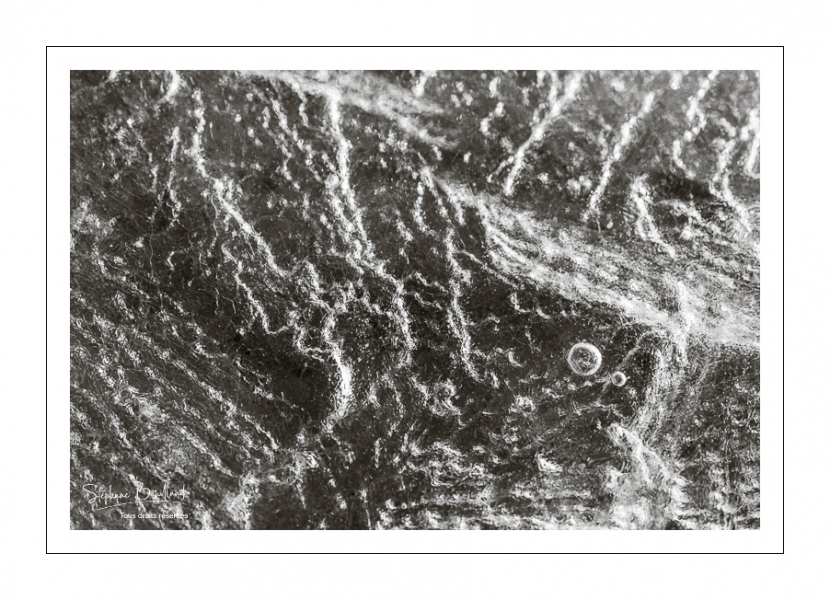
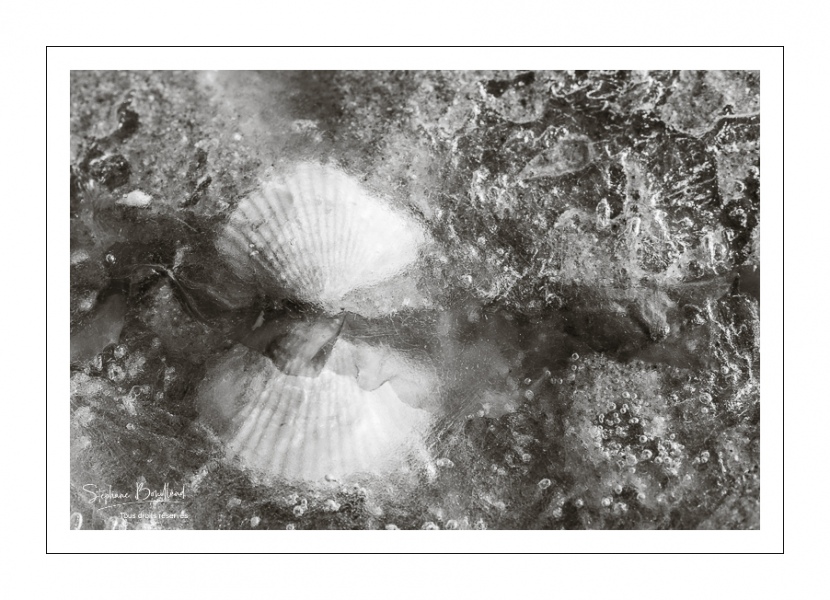
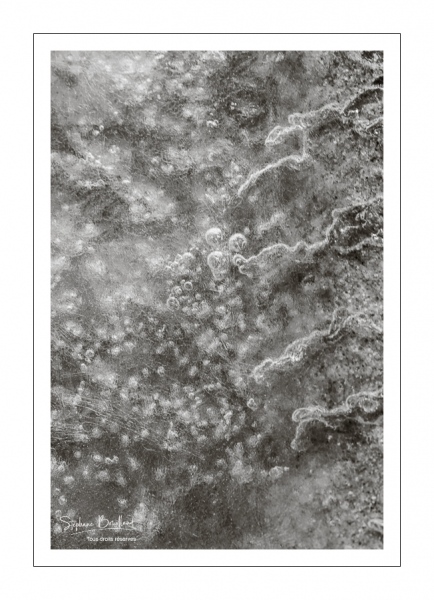
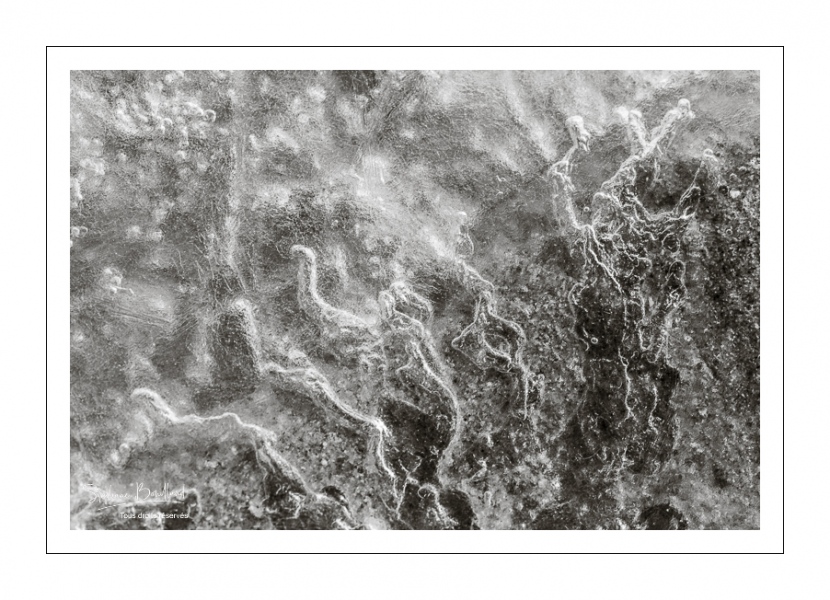
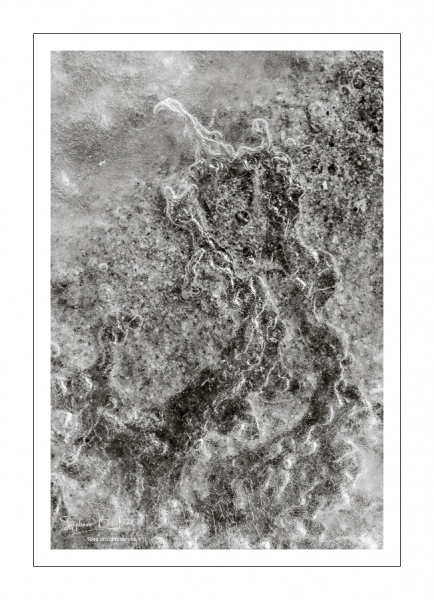
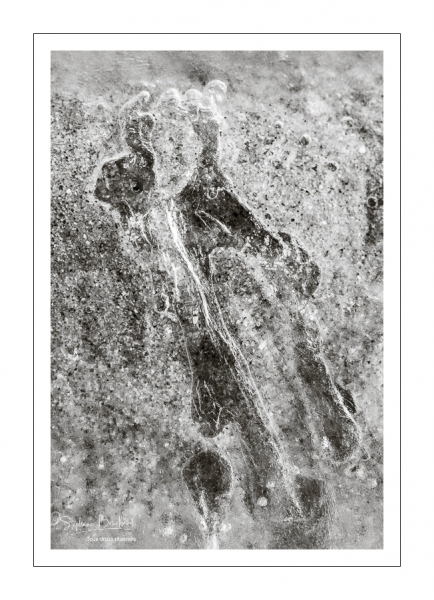
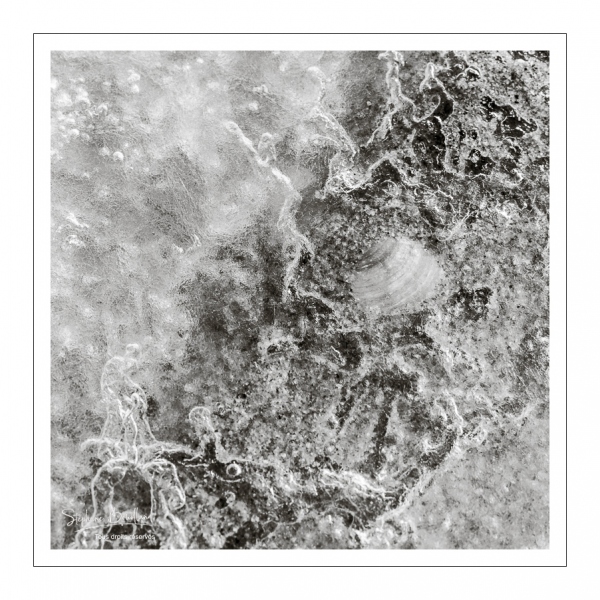
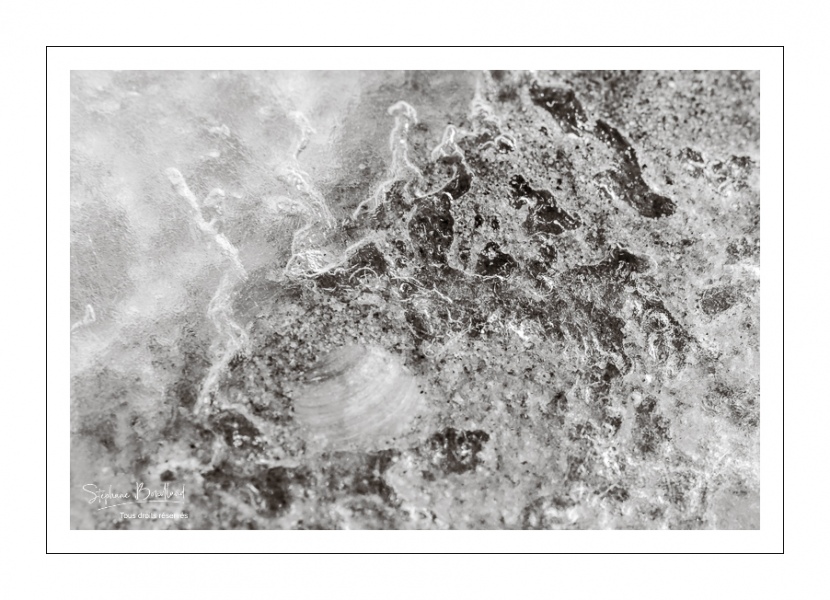
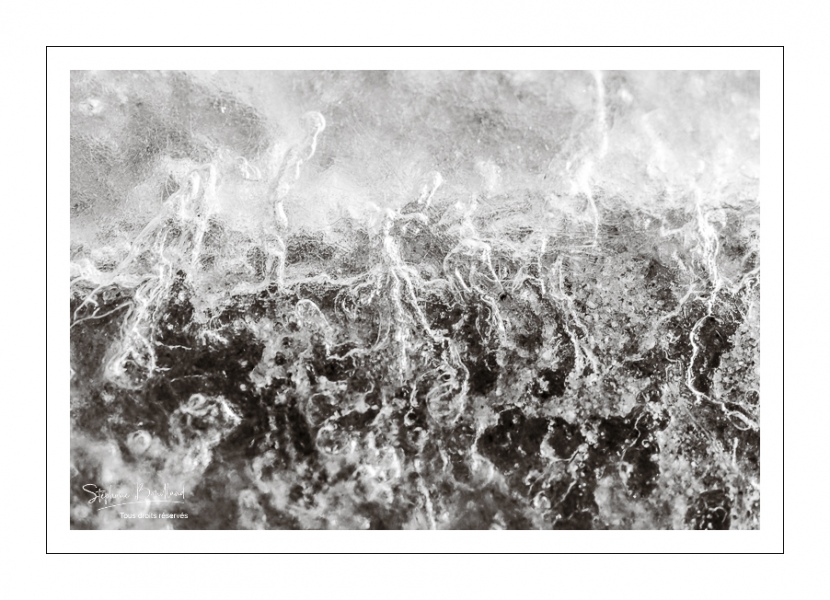
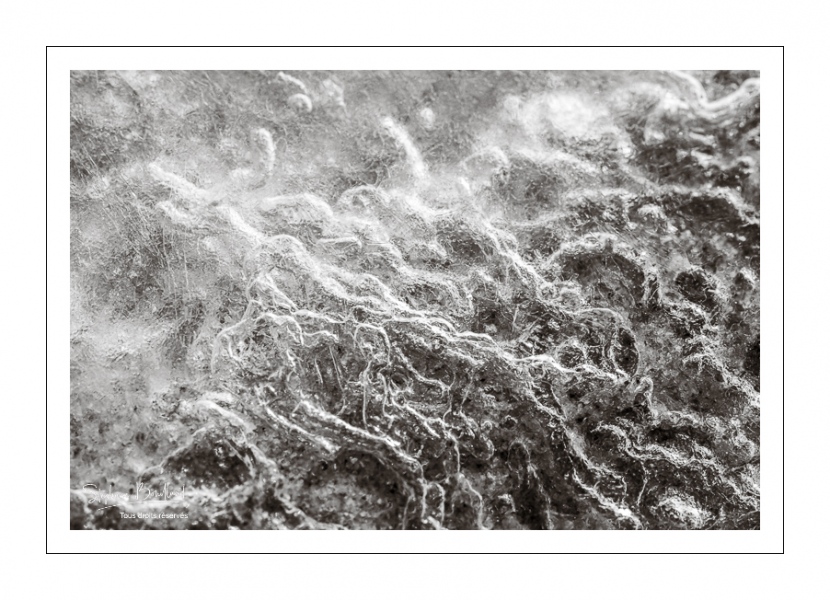
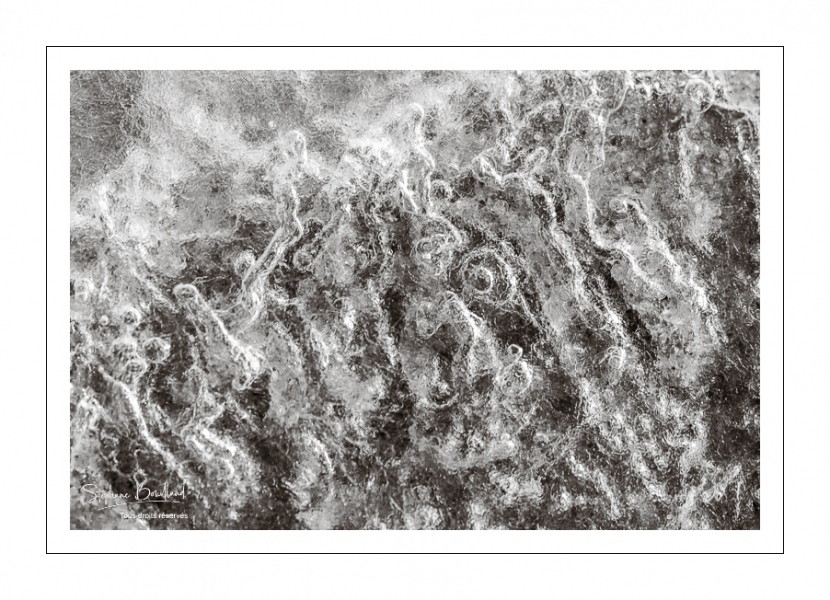
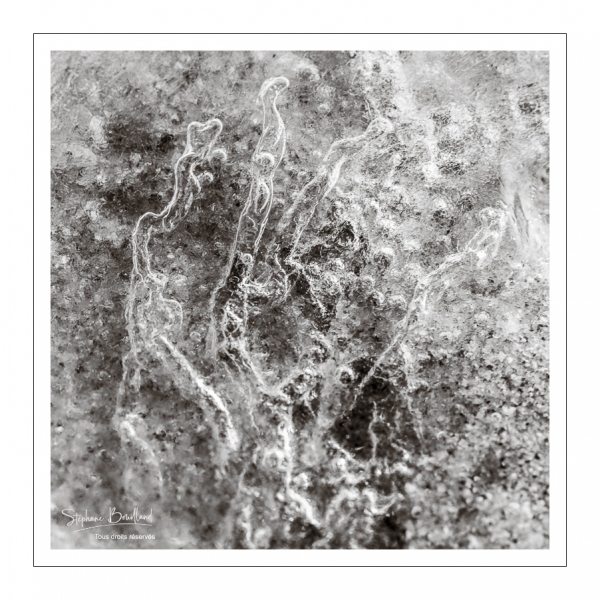
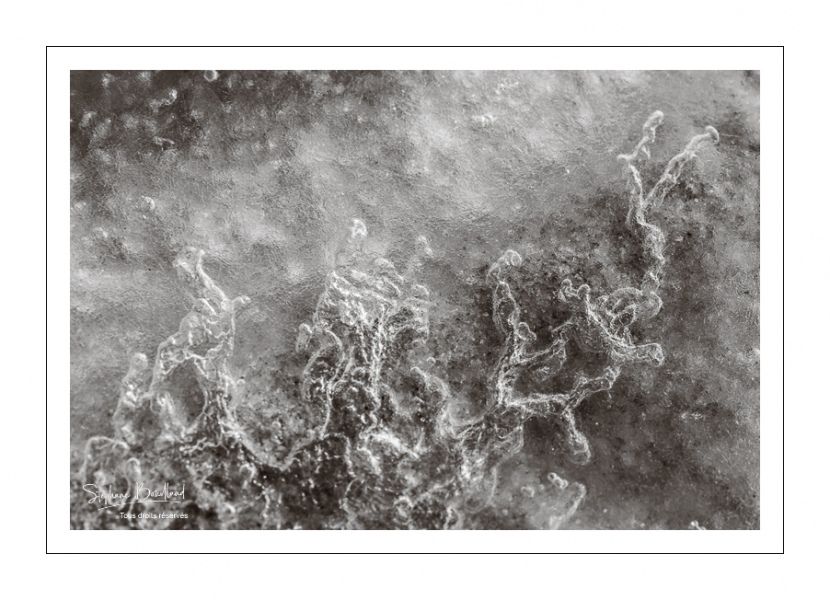
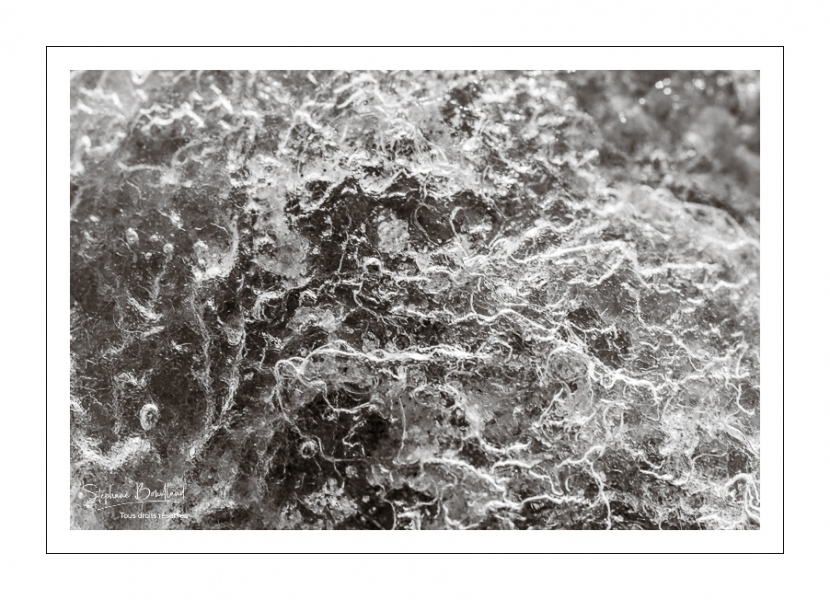
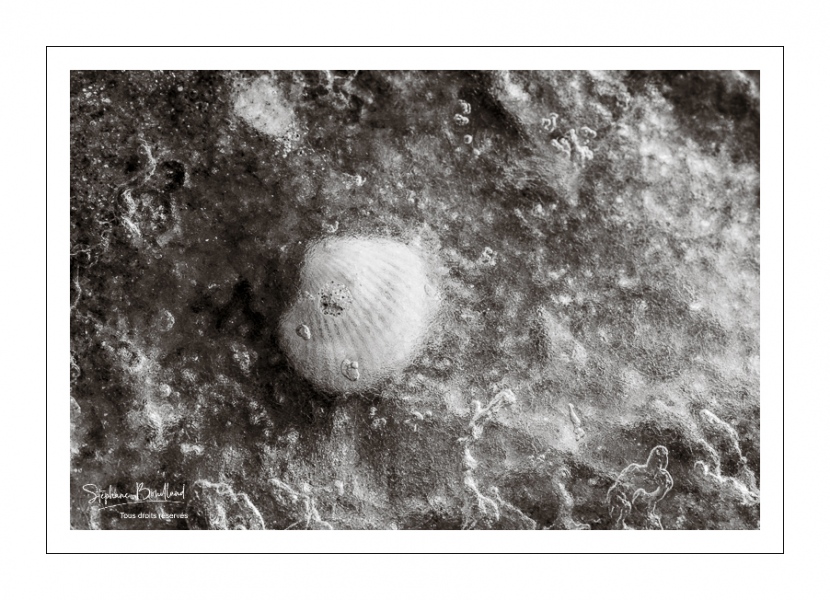
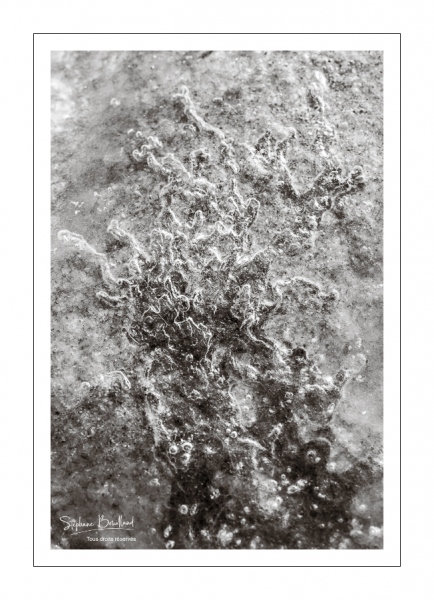
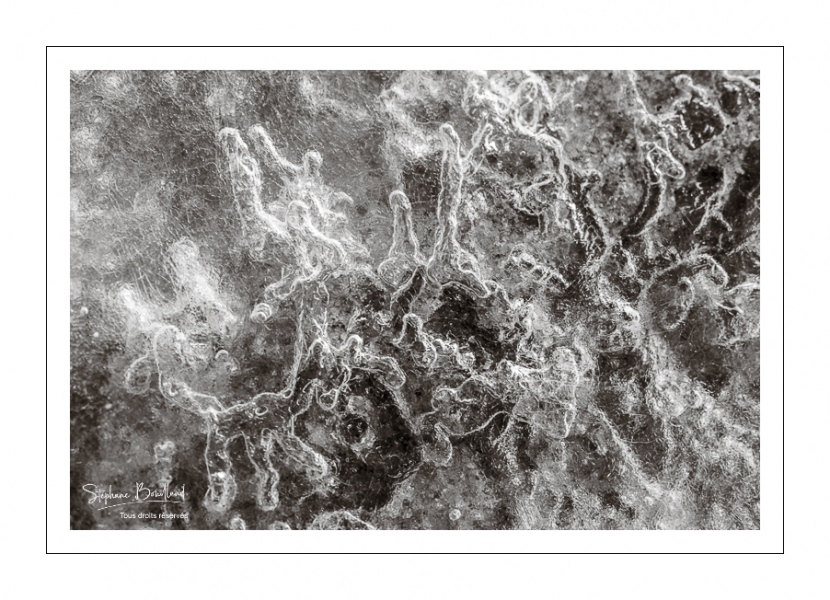
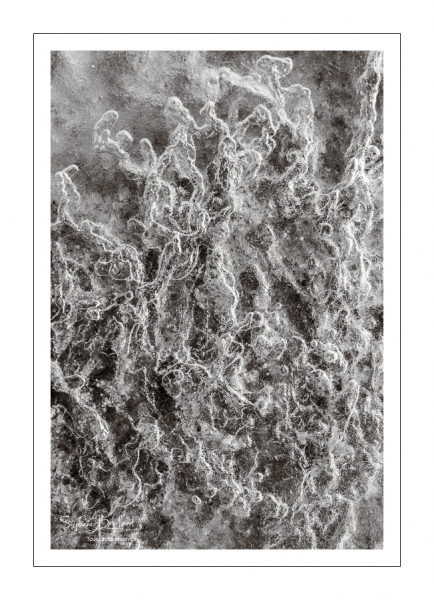
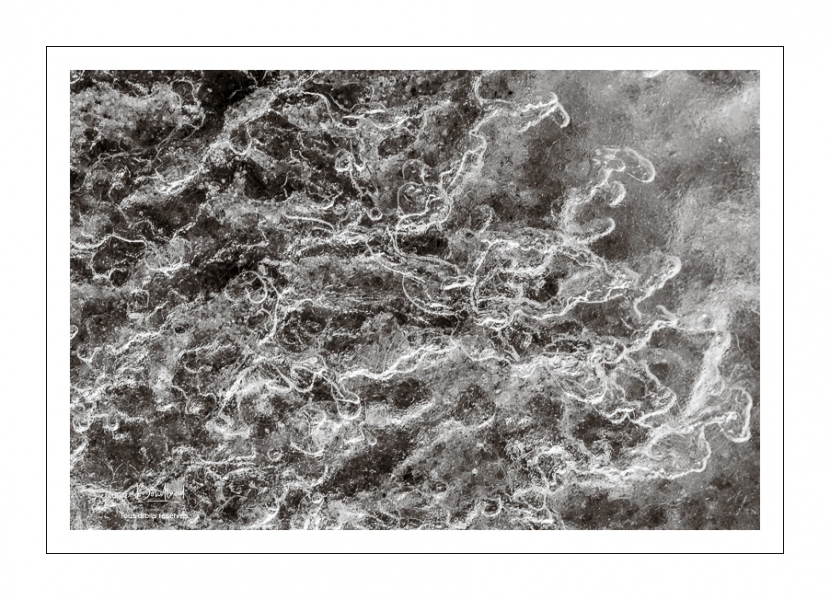
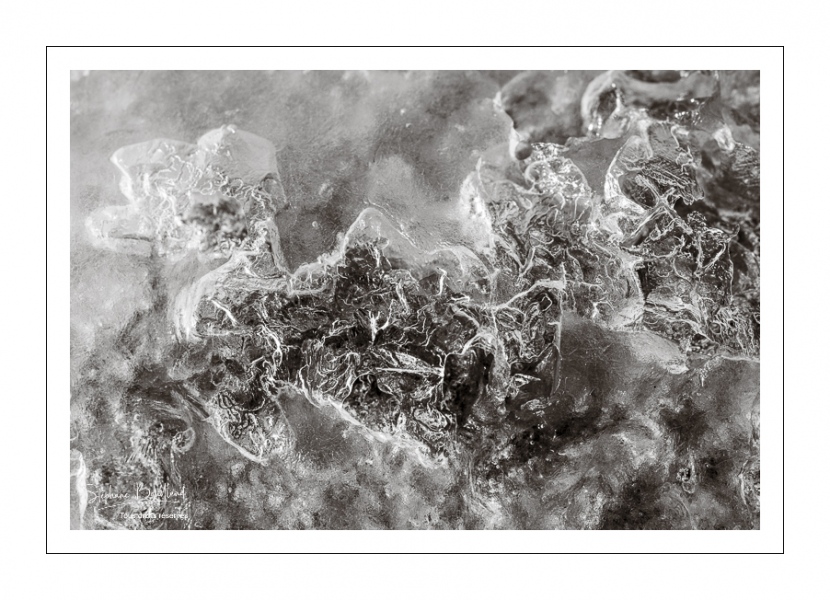
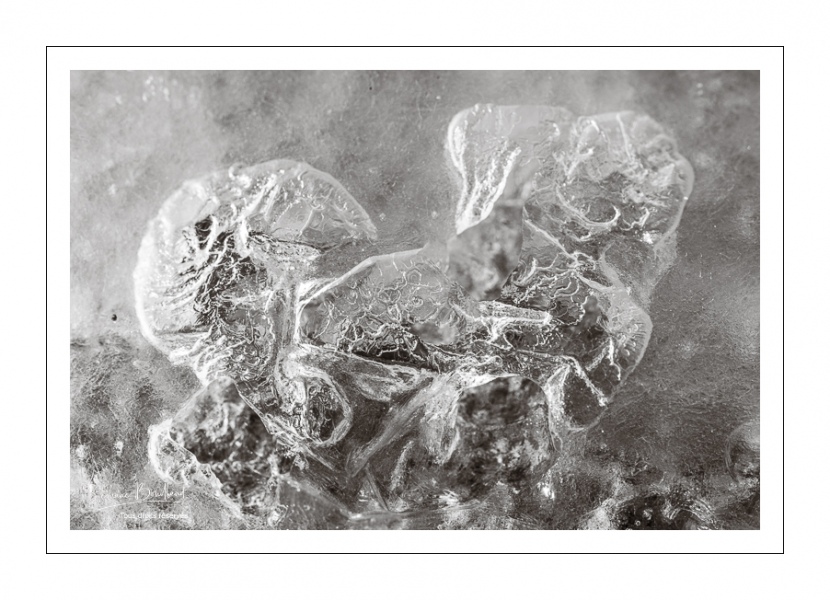
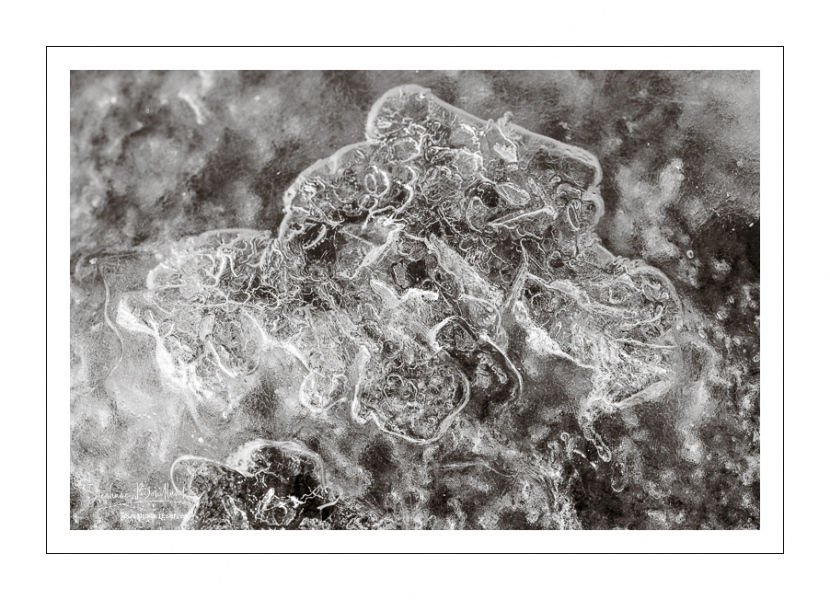
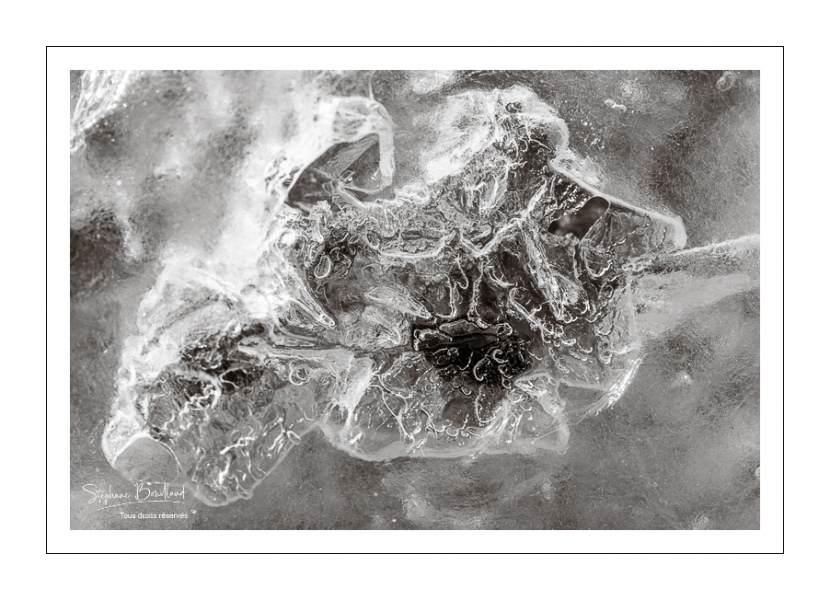
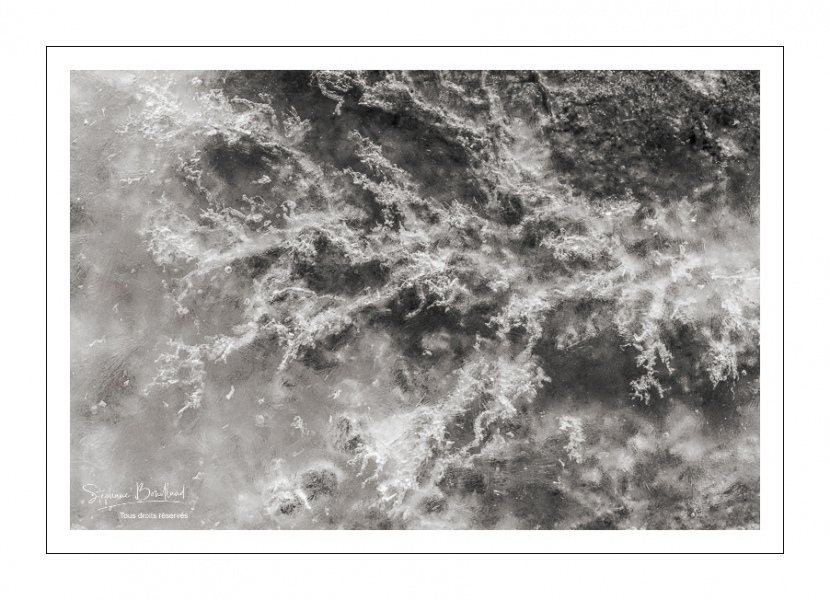
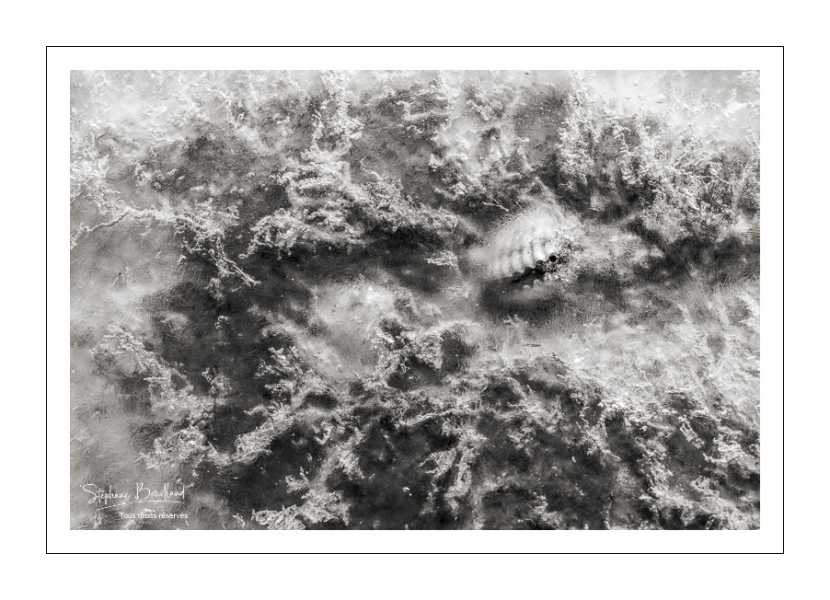
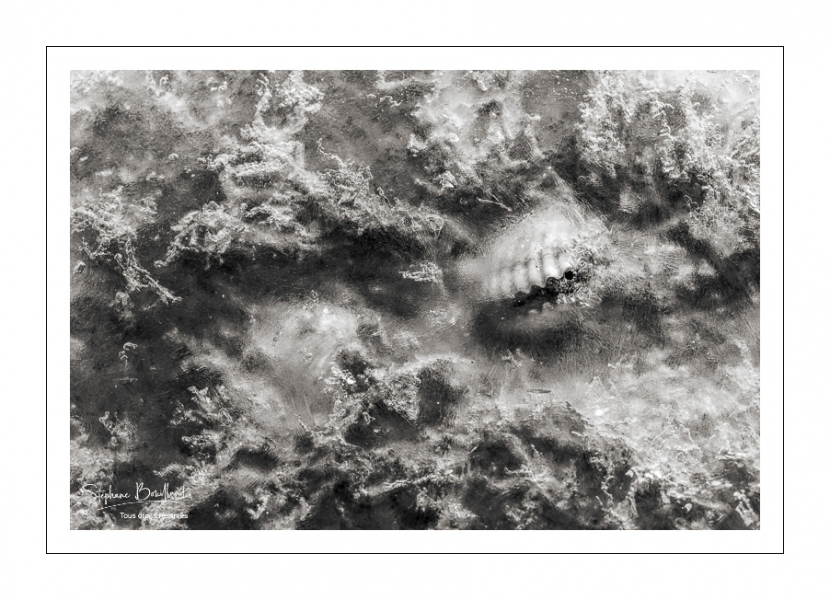
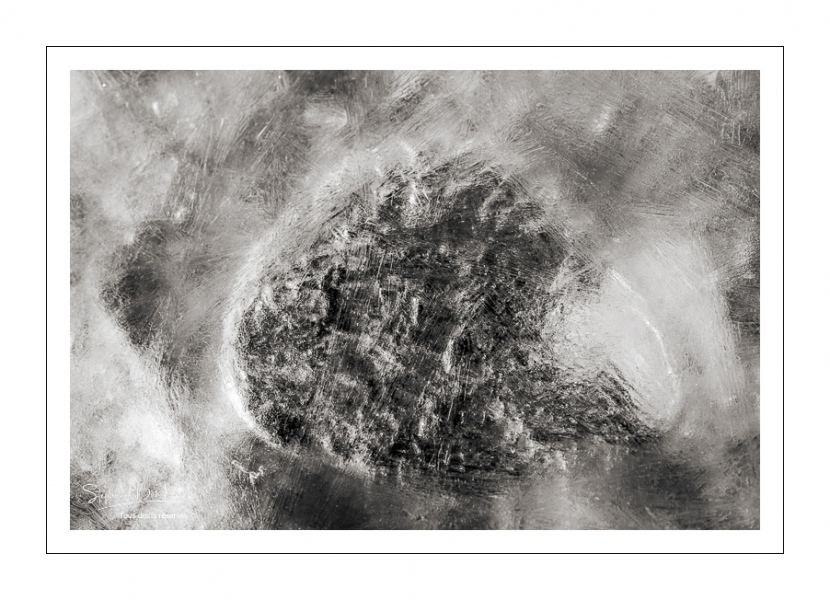
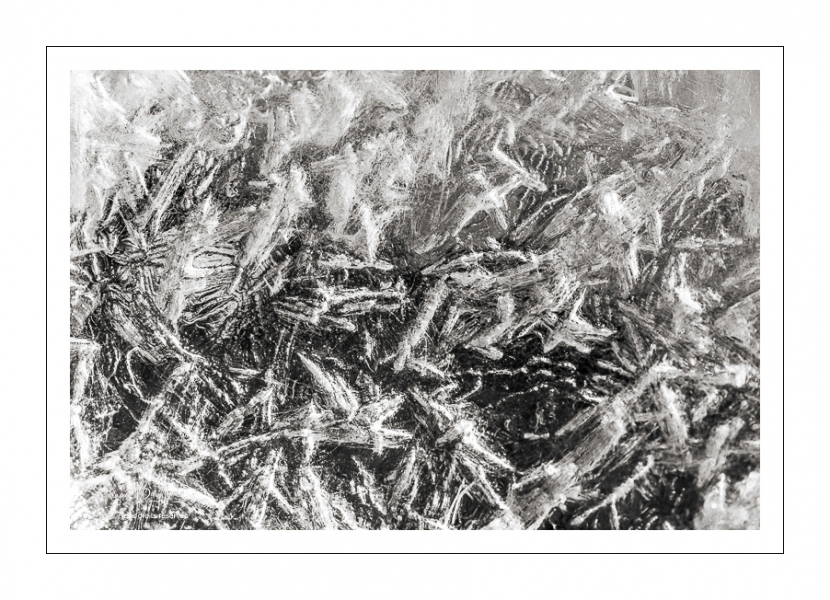
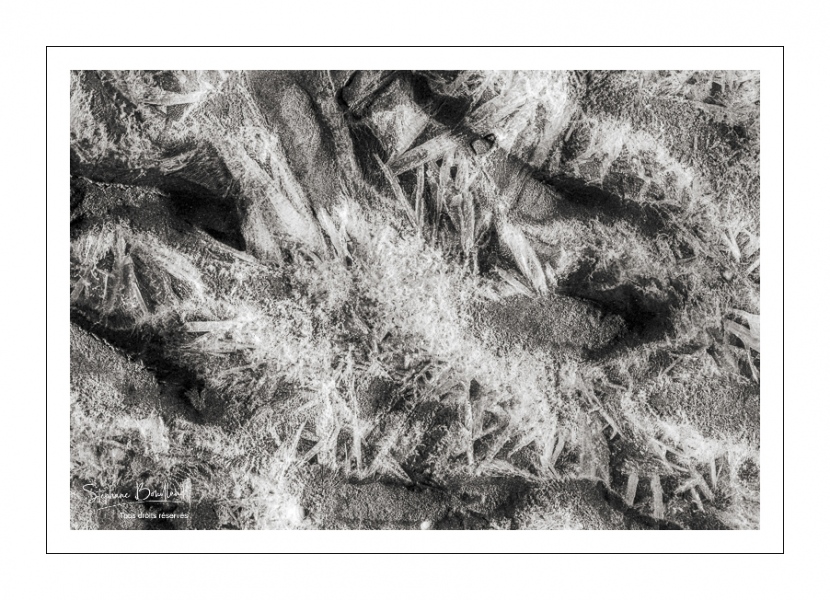
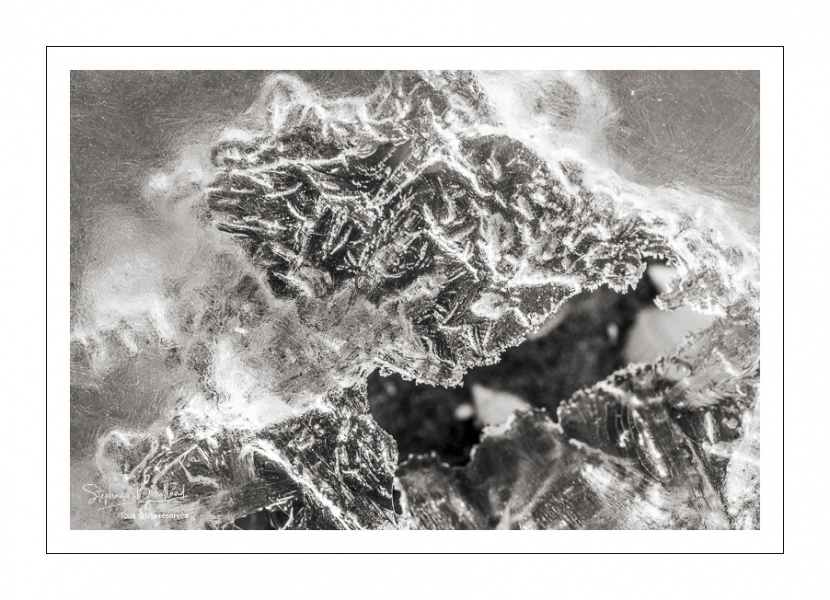
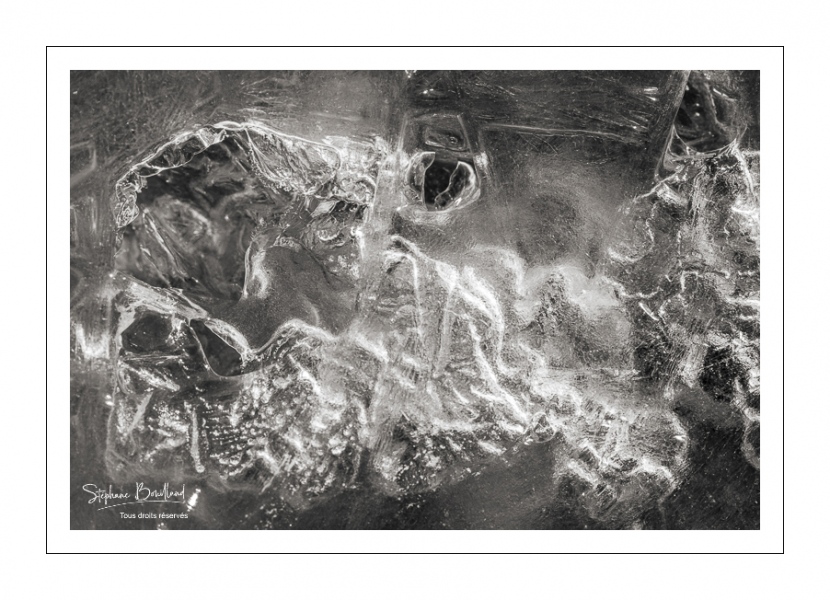
Photo exhibition on the quays of Saint-Valery
Update! It is quite possible that you will be able to enjoy this exhibition again in the spring of 2021! More info to come!
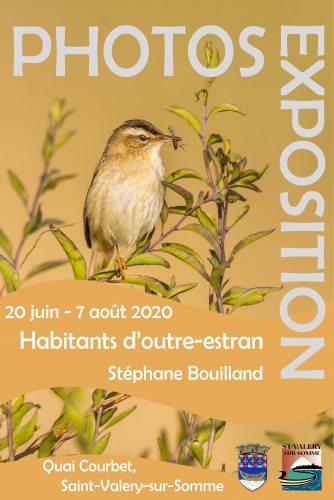
In a few days, about twenty of my images in large format will be visible along the quays of Saint-Valery for a beautiful outdoor exhibition. A big thank you to the municipality and I hope you will like the images!
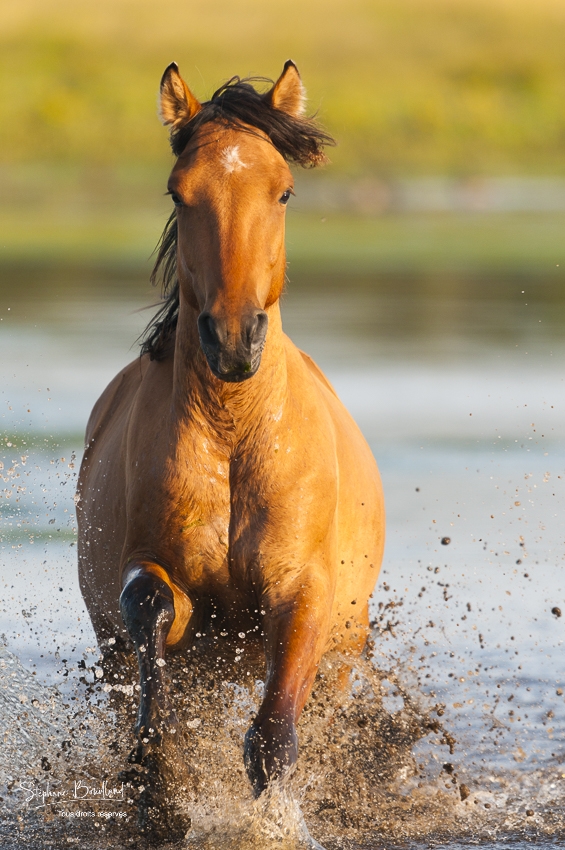
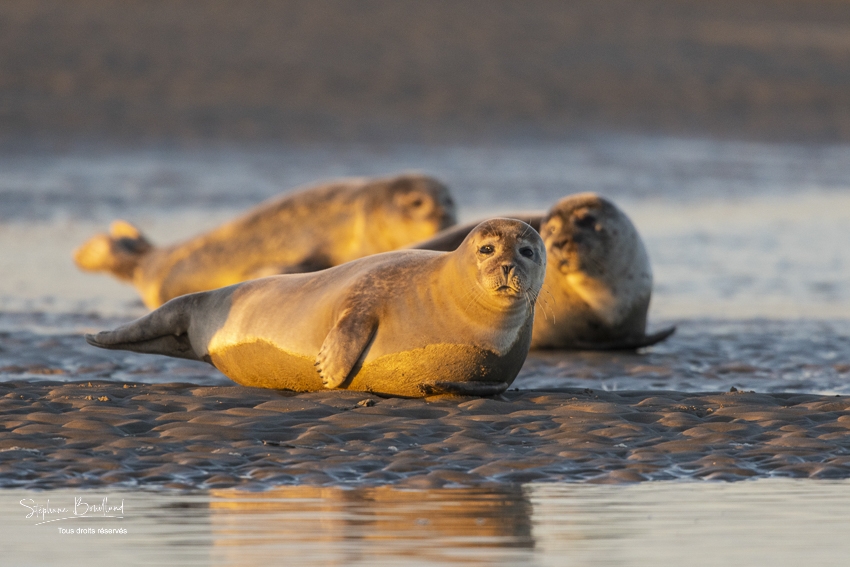
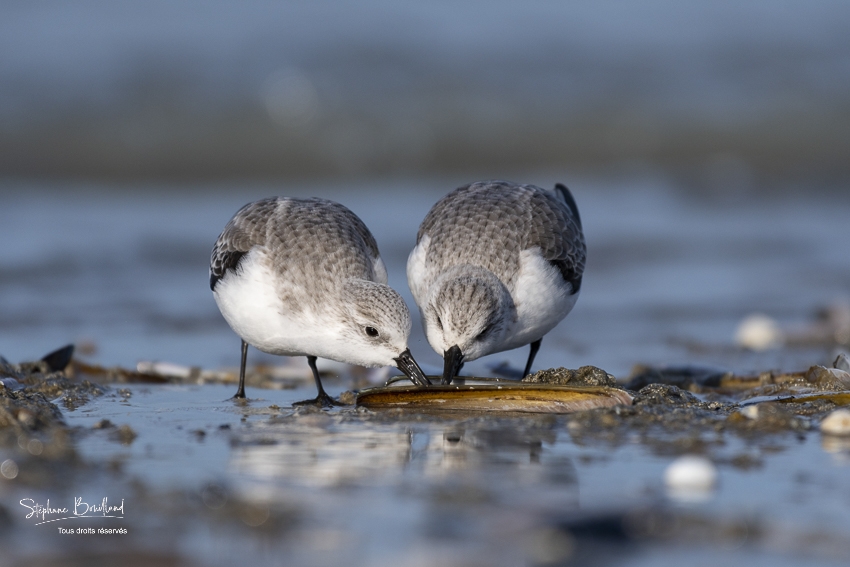
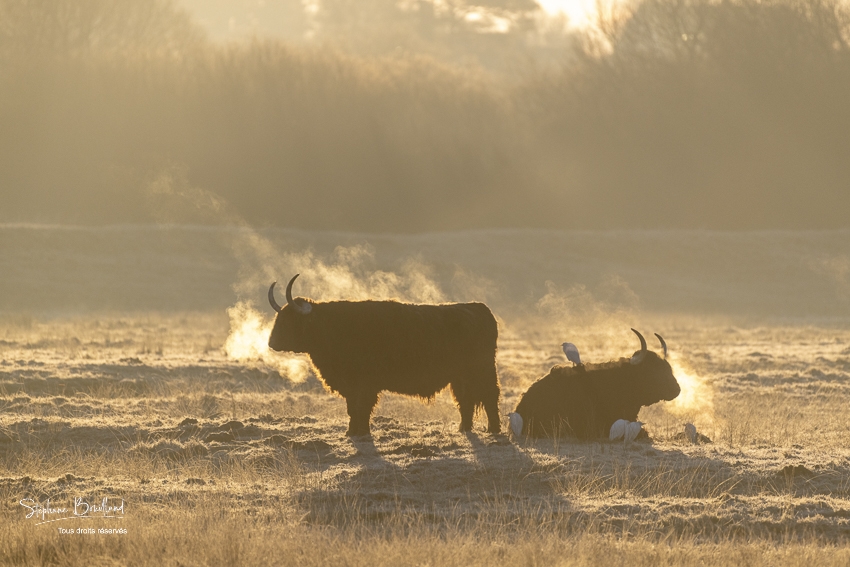
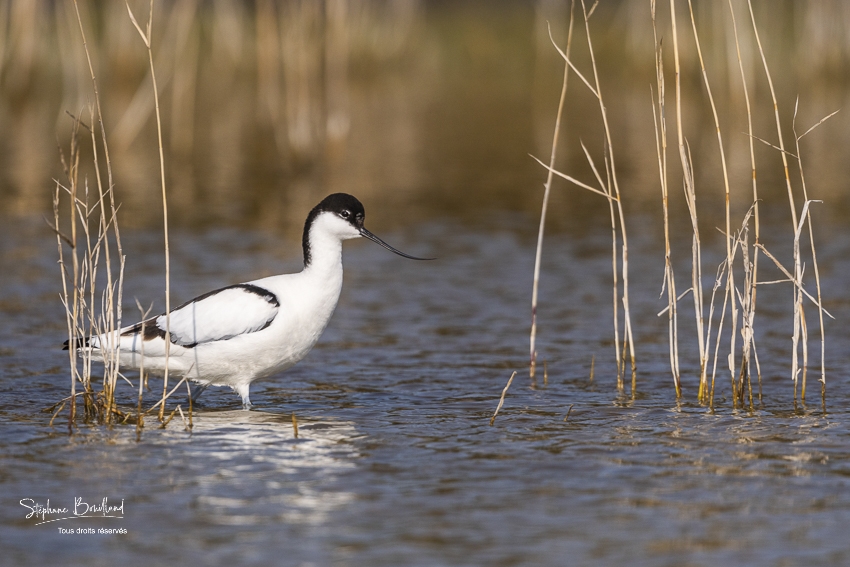
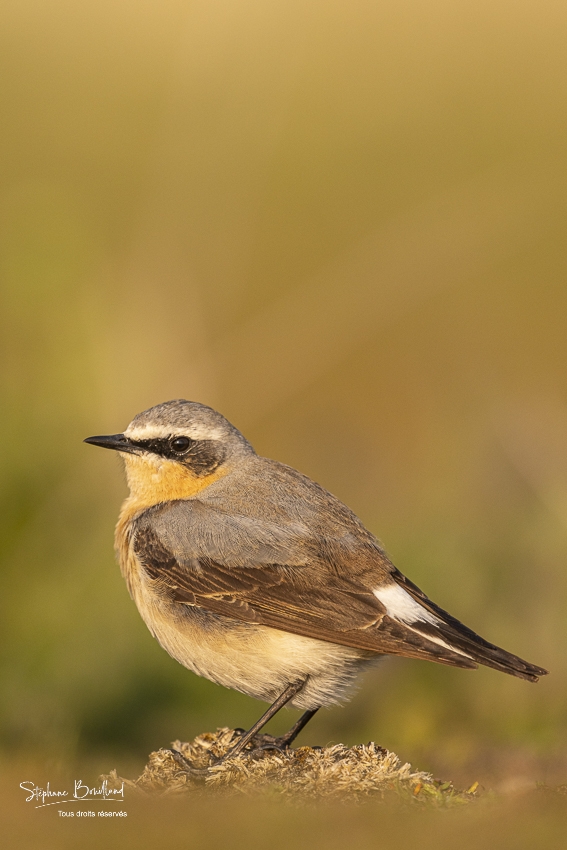
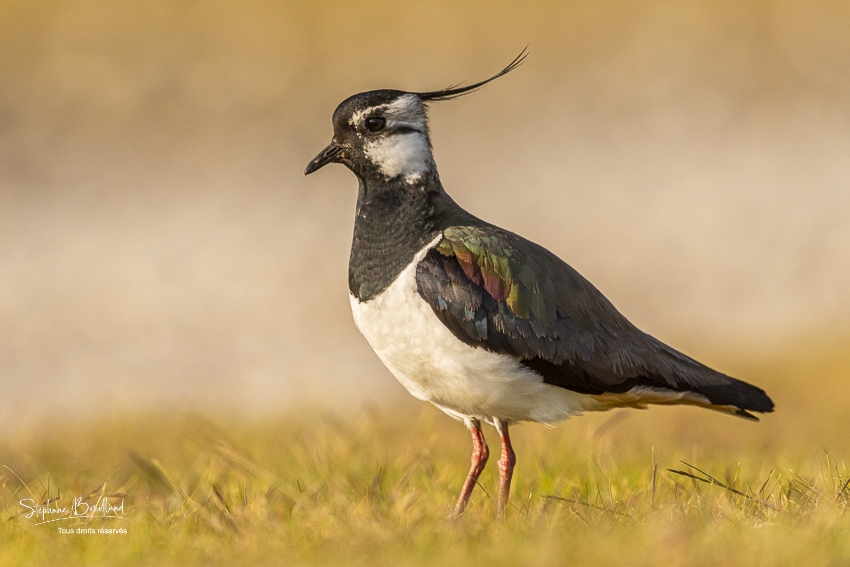
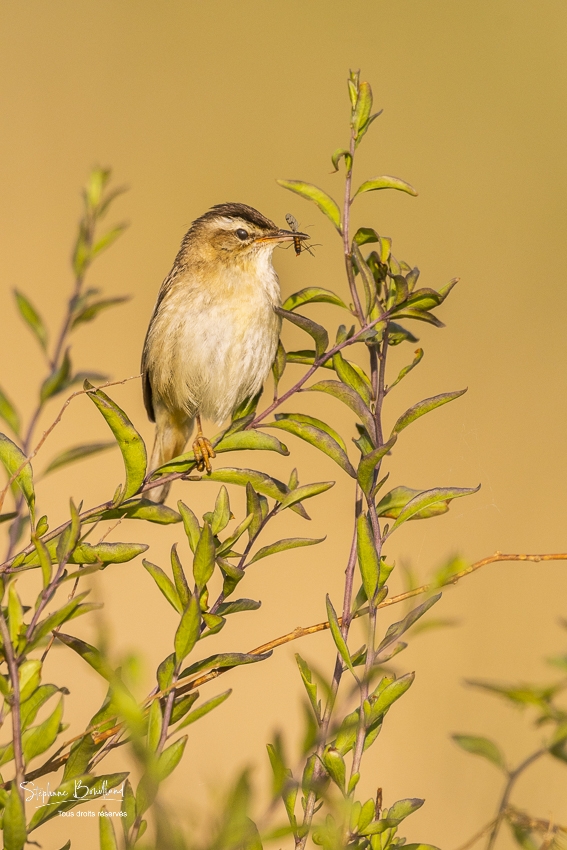
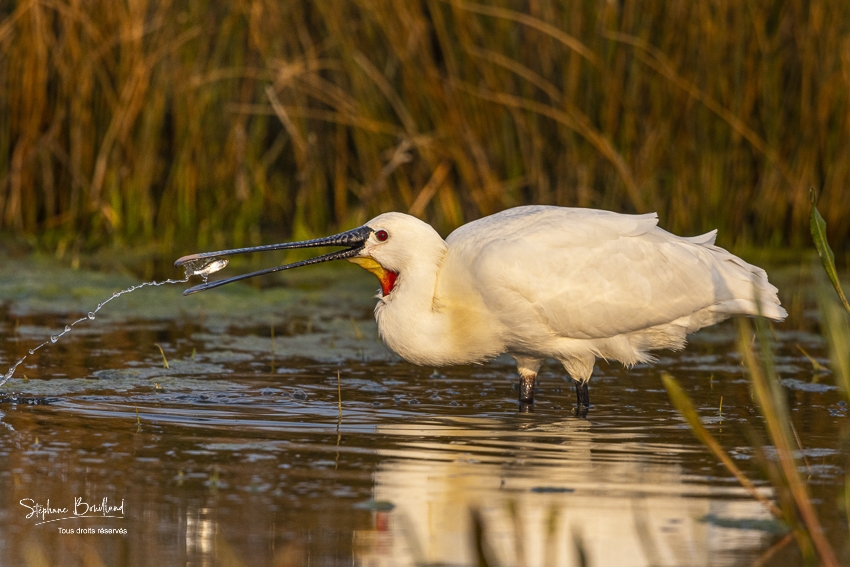
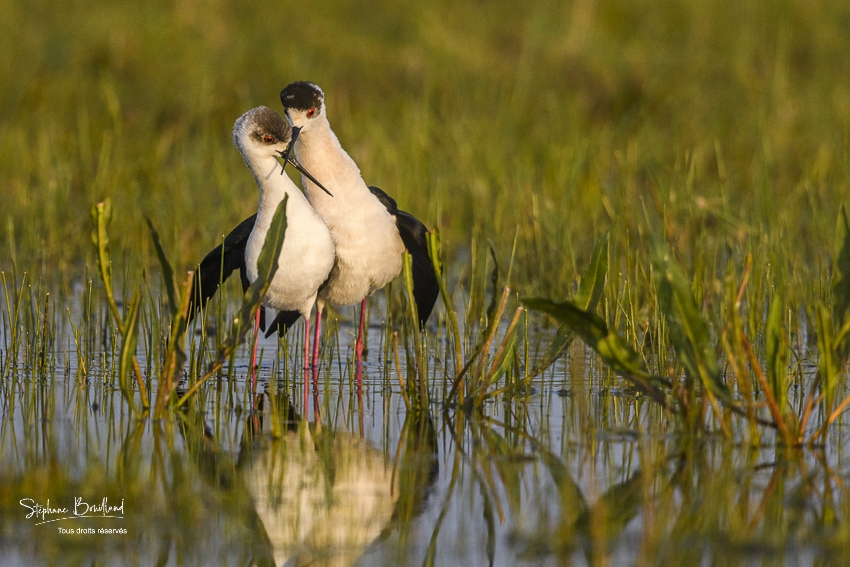
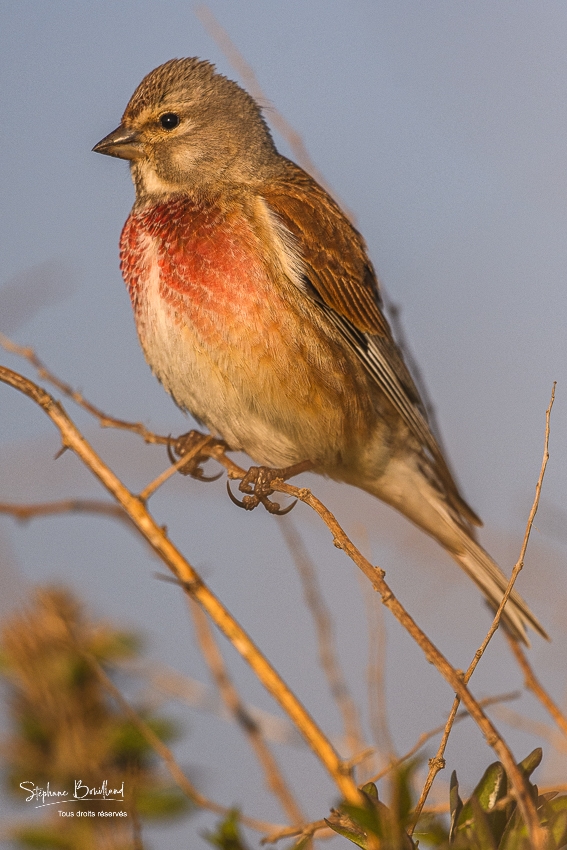
The photographs selected illustrate the diversity of the avifauna of the Baie de Somme region as well as the main mammals that populate the foreshore and the estuary, for grazing (Scottish cows), breeding (salt-meadow sheep), walking (Henson horses) or for the enjoyment of visitors (seals!).
Here are some pictures of the exhibition along the docks. A total of 18 photos in 60×90 cm format are waiting for you.
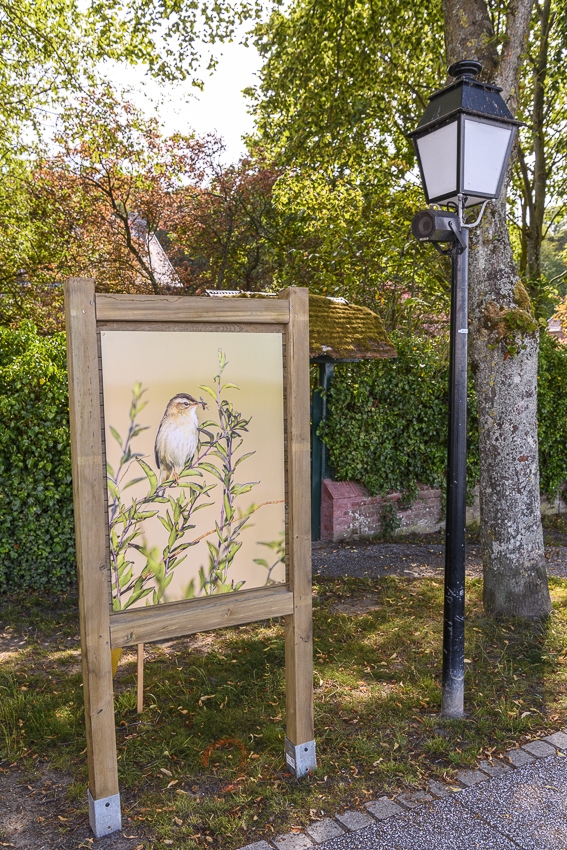
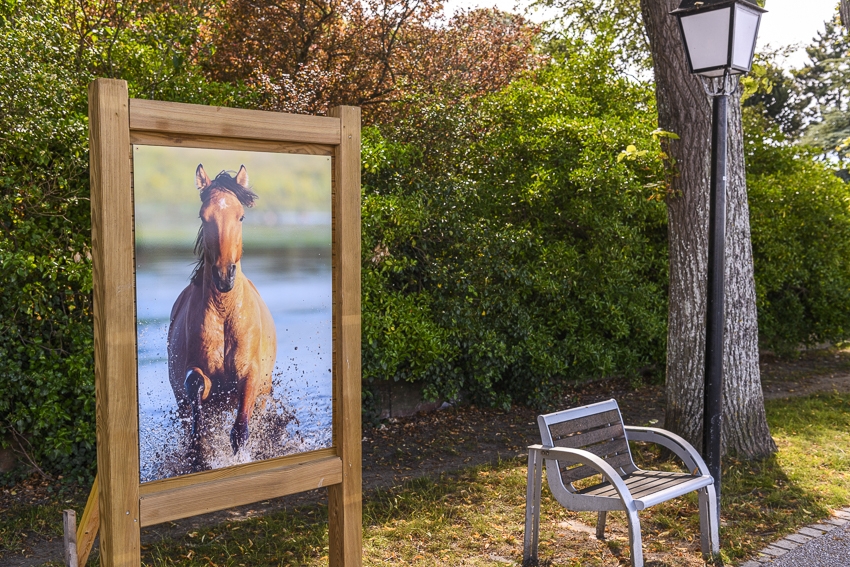
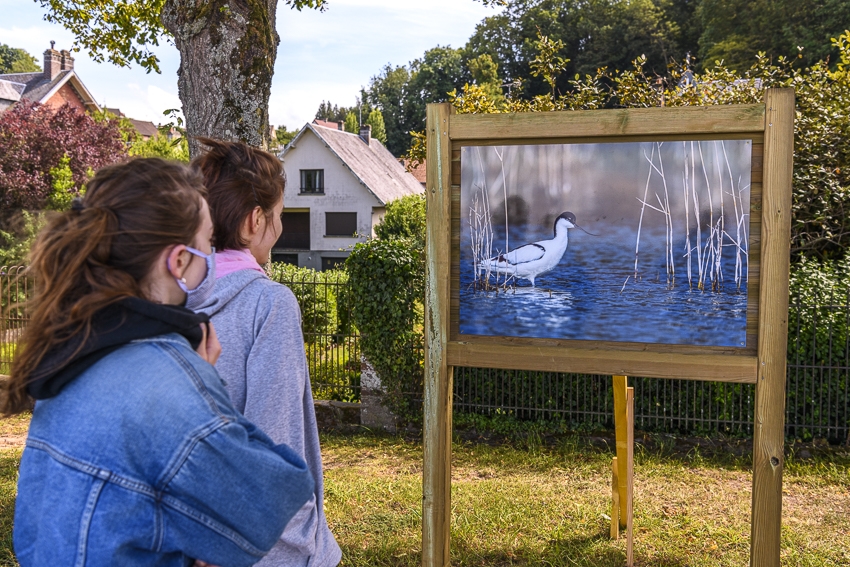
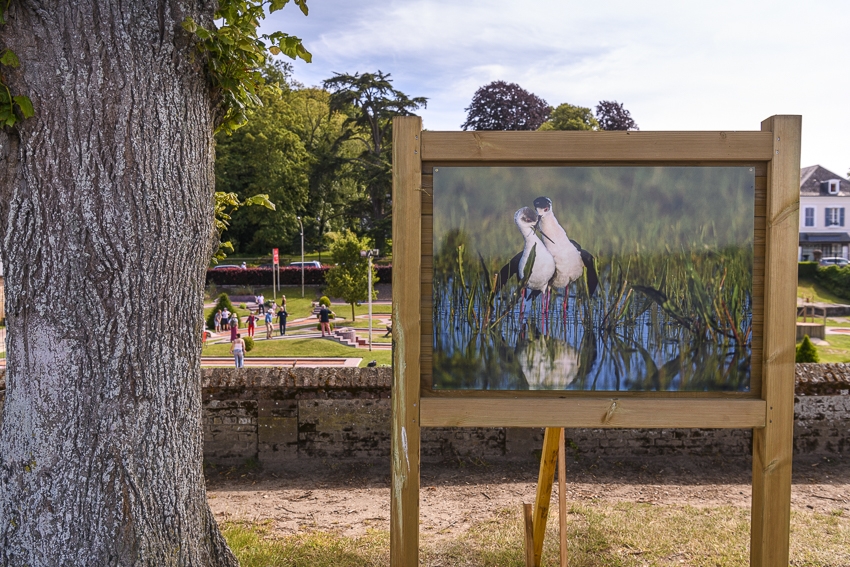
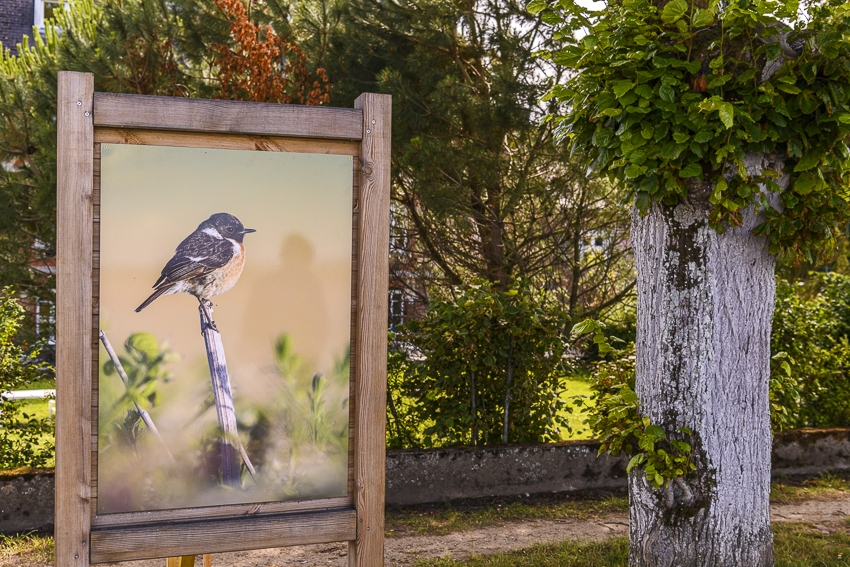
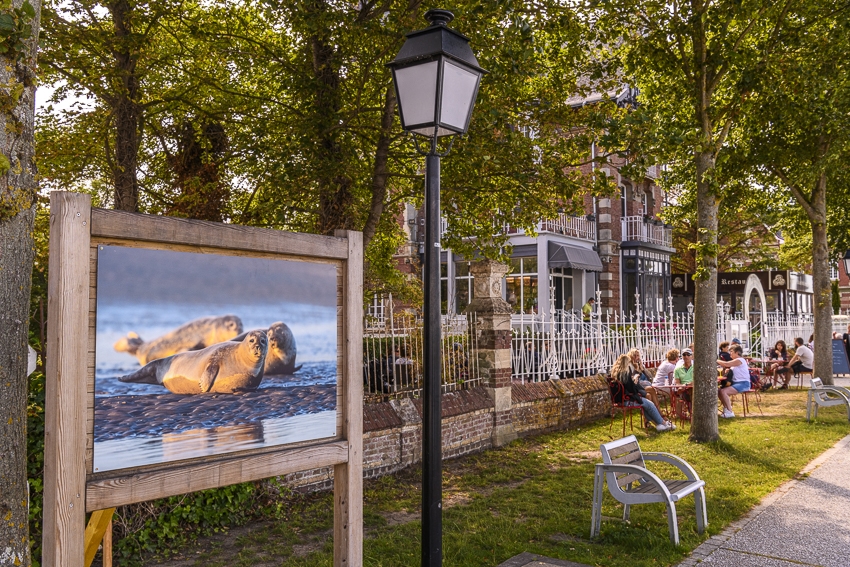
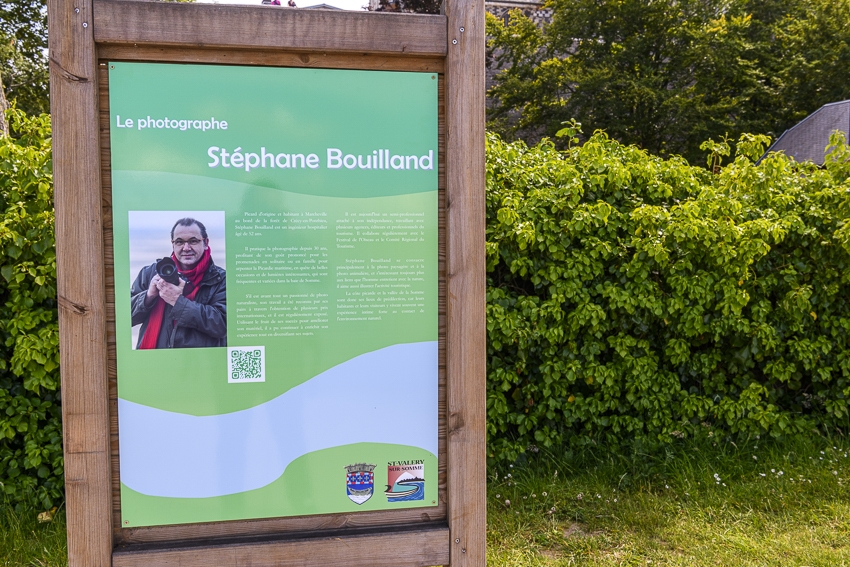
Find below a short presentation of the exhibition written by Gontran Ponchel (in charge of development strategy and communication at the City of Saint-Valery-sur-Somme).
"From the quays of Saint-Valery, from where we discover the whole bay, Stéphane Bouilland takes us on a rich and delicate vision of the local fauna.
The spectacle of the living is permanent in our haven of greenery, and its familiar approach of an environment at the same time wild and domesticated allows us to contemplate here the emblematic species.
His meticulous snapshots of natural life bear witness to an unspoiled emotion, always experienced by man when meeting animals, and are so many touching portraits of our other neighbors, seized in their various attitudes by the truth of the moment.
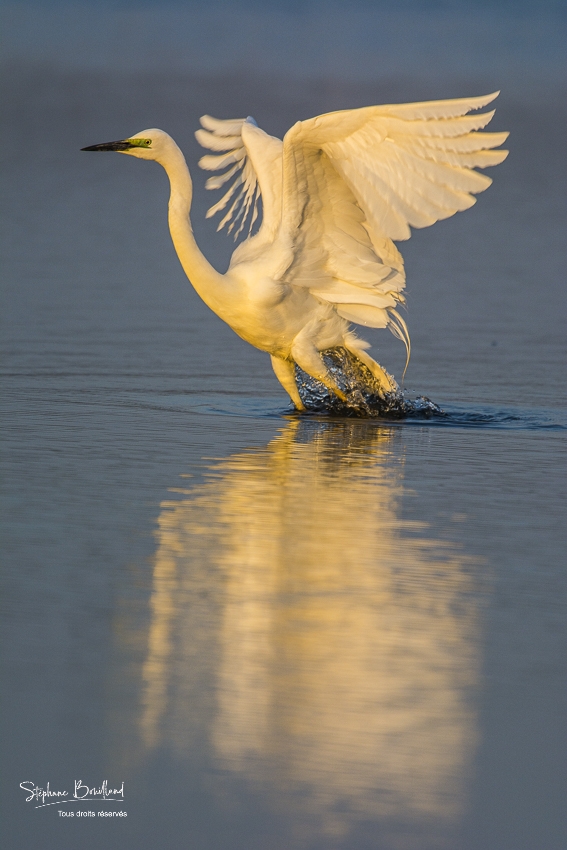
This is how an elegant can be distinguished by her long neck and her immaculate dress, when some others prefer to deploy an elaborate headdress or maintain a studied head carriage.
The admirable audacity of a conqueror, splitting the water in a voluntary gesture, rubs up with the daily effort of the courageous who are busy fishing, hunting and building in an ever-changing environment.
A few holidaying pachas lie in peace on their bumpy resting places, while fertile guardians exude a peaceful strength that seems to date back to the mythical dawn of time.
A lasting emotion is born from these fleeting impressions: that of enchantment at the beauty of the nature that surrounds us.
The famous light variations of the Bay of the Somme offer our animal gallery a wide range of soft colors with pastoral nuances.
Grey and blue hues accompany the brown ochre surfaces to sparkle the golden freshness of dawn and water. Then touches of green, white and red enhance this idyllic landscape with a lively and graceful presence.
The vertical lines seem quite frail in this infinitely horizontal universe, it is then the freedom of the curves and the vigor of the colors which finally express there best the harmonious, active and sensitive life."
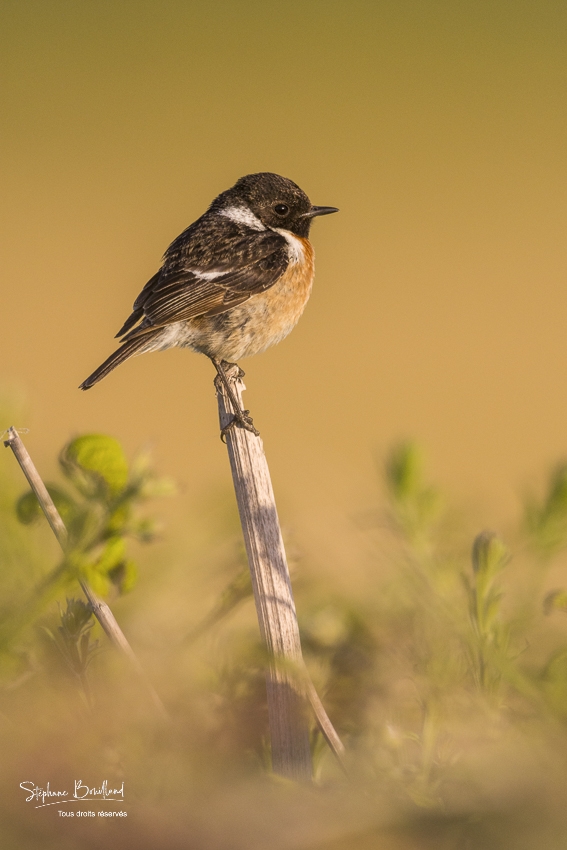
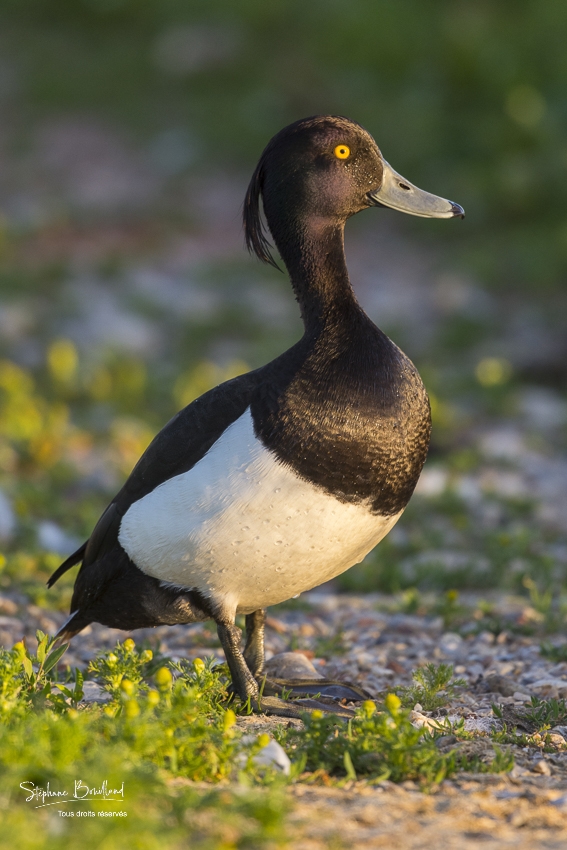
And here are the images presented :